Your yard can be so much more than grass and ornamentals. With the right plant choices, it can become a thriving wildlife habitat — a place where birds nest and raise their young, where bees and butterflies find food, where deer and turkeys forage in fall, and where the natural world is genuinely present and alive. The plants that do the most for wildlife are also some of the most beautiful, low-maintenance, and ecologically valuable plants you can grow.
This guide covers the best trees and shrubs for wildlife in the Midwest — plants that provide food, shelter, and nesting habitat for the birds, insects, and animals that share our landscape. Every plant ships directly from our nursery.
Why Your Plant Choices Matter for Wildlife
Research by entomologist Doug Tallamy has shown that a single native oak supports over 500 species of caterpillars — the primary food source for nesting songbirds. A Bradford Pear supports fewer than 5. Most native insects can only eat specific native plant families, meaning a yard full of non-native ornamentals is essentially a food desert for the insects that birds, bats, and other wildlife depend on. The plants you choose have an enormous impact on the wildlife your yard can support.
The Best Oaks for Wildlife — Keystone Trees
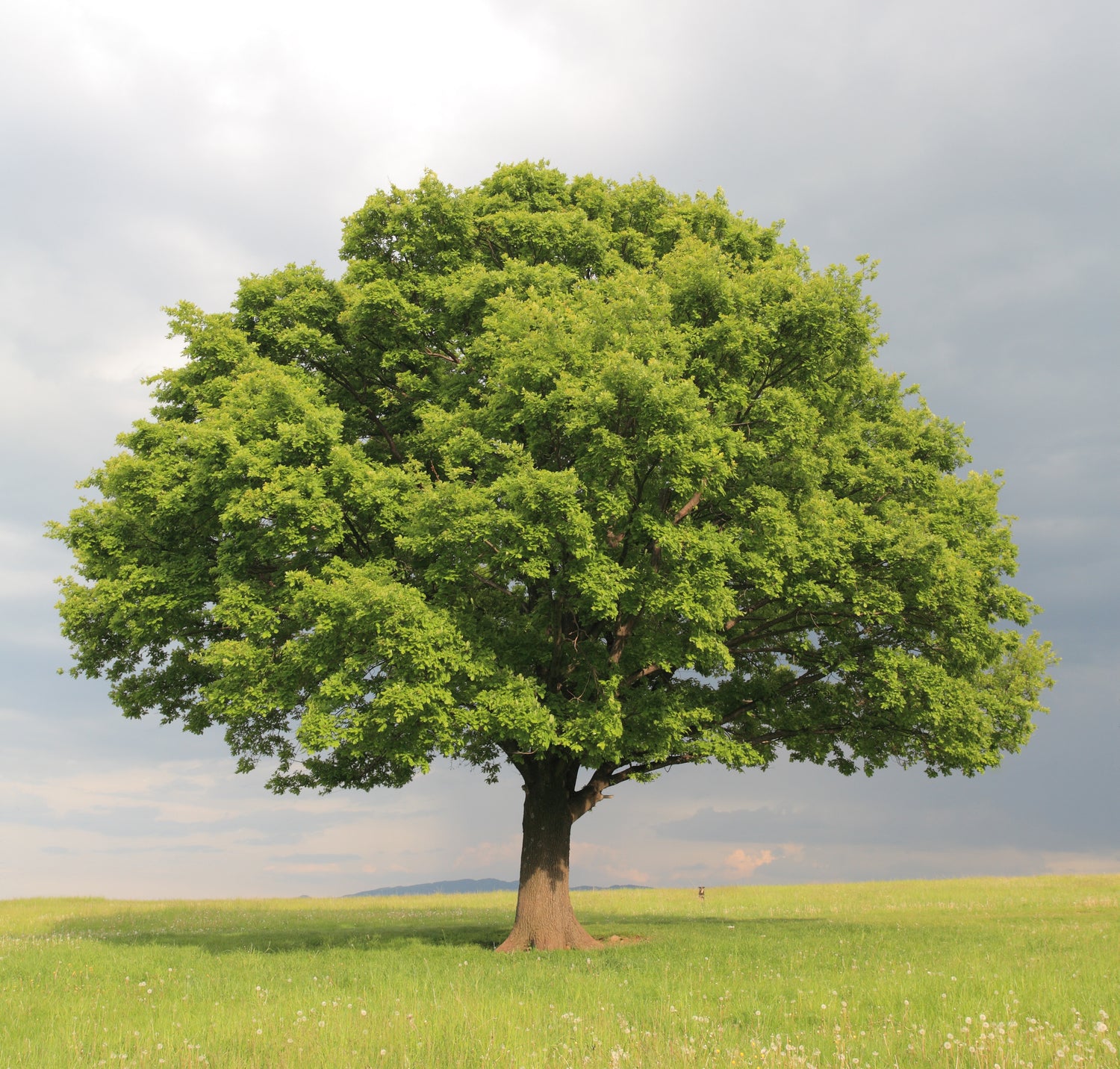
Oaks are the single most wildlife-valuable tree genus in North America. If you plant nothing else from this list, plant an oak.
Northern Red Oak — The King of Wildlife Trees

Northern Red Oak supports over 500 species of caterpillars, produces enormous acorn crops that feed deer, turkeys, squirrels, blue jays, and woodpeckers, and provides nesting habitat for dozens of bird species. A single pair of chickadees needs 6,000–9,000 caterpillars to raise one clutch of chicks — without oaks, most songbirds simply cannot reproduce successfully. Grows 60–75 feet tall, 2 feet per year. Rich red fall color. Hardy in Zones 3–8. Our Northern Red Oak Tree is the single highest-impact wildlife planting available.
Shumard Oak — Deep Red Fall Color, Massive Acorn Crops

Shumard Oak is a native Midwest oak that supports hundreds of caterpillar species and produces large acorns that are a preferred food for deer, turkeys, and wood ducks. It's one of the fastest-growing oaks — 1.5–2 feet per year — and delivers brilliant scarlet fall color. Handles clay soil, heat, and drought well. Grows 60–80 feet tall. Hardy in Zones 5–9. Our Shumard Oak Tree is a fast-growing native oak with exceptional wildlife value.
Pin Oak — Small Acorns, Big Wildlife Impact

Pin Oak produces small acorns that are a preferred food for wood ducks, mallards, and other waterfowl — making it especially valuable near ponds and wetlands. It also supports hundreds of caterpillar species and handles wet, clay soils exceptionally well. Grows 60–70 feet tall, 1.5–2 feet per year. Hardy in Zones 4–8. Our Pin Oak Tree is the best oak for wet sites and waterfowl habitat.
Willow Oak — Fine-Textured Native Oak for Wet Sites

Willow Oak has narrow, willow-like leaves that give it a fine, graceful texture unlike any other oak. It produces abundant small acorns that feed a wide range of wildlife and supports hundreds of caterpillar species. Excellent for wet, clay soils and urban conditions. Grows 40–60 feet tall. Hardy in Zones 5–9. Our Willow Oak Tree is a graceful native oak for wet sites and urban landscapes.
Best Native Trees for Wildlife
Hackberry — The Most Wildlife-Productive Native Tree Per Square Foot

Hackberry berries feed over 40 bird species and the tree is a larval host for the Hackberry Emperor, Question Mark, Eastern Comma, and Mourning Cloak butterflies. One of the toughest native trees available — handles compacted clay, drought, flooding, and urban pollution. Grows 40–60 feet tall. Hardy in Zones 2–9. Our Hackberry Tree is the most wildlife-productive native tree per square foot we carry.
Black Cherry — The Native Tree That Feeds Everything

Black Cherry supports over 400 caterpillar species — second only to oaks in the Midwest. The dark purple-black cherries feed over 40 bird species including cedar waxwings, robins, thrushes, tanagers, and orioles. Grows 50–80 feet tall with attractive dark, scaly bark. Hardy in Zones 3–9. Our Black Cherry Tree is one of the highest-impact wildlife trees you can plant.
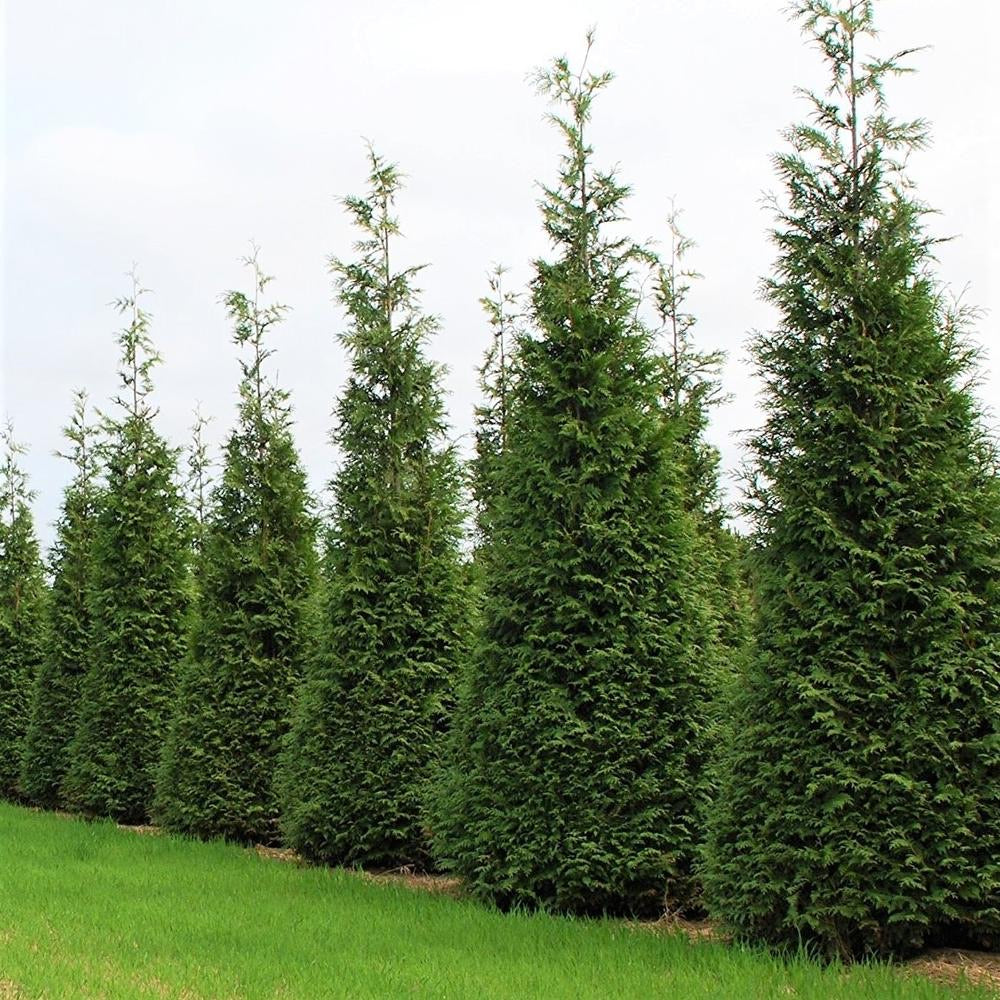
Eastern Red Cedar — The Native Evergreen Wildlife Magnet

The blue berries feed cedar waxwings, bluebirds, robins, and over 50 other bird species through winter. The dense evergreen foliage provides nesting habitat in spring and critical winter shelter when deciduous trees are bare. Grows 30–40 feet tall. Hardy in Zones 2–9. Our Eastern Red Cedar is the most wildlife-valuable native evergreen in the Midwest.
Black Walnut — Mast Producer and Caterpillar Host

Supports over 100 caterpillar species and produces enormous nut crops that feed squirrels, deer, and turkeys through fall and winter. The large canopy provides nesting habitat for hawks, owls, and songbirds. Grows 50–75 feet tall. Hardy in Zones 4–9. Note: produces juglone — keep away from vegetable gardens and sensitive fruit plants. Our Black Walnut Tree is a native mast producer that feeds wildlife for generations.
American Persimmon — The Fall & Winter Wildlife Superfood

The sweet orange fruits feed deer, raccoons, opossums, foxes, turkeys, and dozens of bird species from October through January — exactly when wildlife needs high-calorie food most. Grows 35–60 feet tall with attractive dark, blocky bark and excellent fall color. Hardy in Zones 4–9. Our American Persimmon Tree is the most important fall and winter wildlife food tree we carry.
Red Maple — Early Nectar, Caterpillar Host, Seed Producer

Red Maple is one of the first trees to bloom in spring — tiny red flowers in February or March provide critical early nectar for queen bumblebees and native bees emerging from hibernation. It supports over 300 caterpillar species and produces abundant samaras (winged seeds) that feed finches, grosbeaks, and other seed-eating birds. Grows 40–60 feet tall, 2–3 feet per year. Hardy in Zones 3–9. Our Red Maple Tree is a wildlife powerhouse from the first days of spring.
Silver Maple — Early Bloomer, Cavity Provider

Silver Maple blooms very early in spring, providing nectar when little else is available. It supports hundreds of caterpillar species and produces abundant seeds that feed birds and small mammals. Older Silver Maples develop cavities that provide nesting sites for wood ducks, screech owls, squirrels, and other cavity-dependent wildlife. Grows 50–80 feet tall, 3–5 feet per year. Hardy in Zones 3–9. Our Silver Maple Tree is a fast-growing native tree with excellent wildlife value.
River Birch — Seed Producer and Caterpillar Host

River Birch produces thousands of tiny seeds that are a primary food source for finches, redpolls, pine siskins, and other small birds through fall and winter. It supports over 400 caterpillar species — one of the highest of any tree genus. The peeling bark also provides habitat for insects that woodpeckers and nuthatches forage on. Grows 40–70 feet tall, 2–3 feet per year. Hardy in Zones 4–9. Our River Birch Tree is a native beauty with exceptional wildlife value for birds and insects.
Tulip Poplar — Hummingbird Magnet and Canopy Giant

Tulip Poplar produces large, tulip-shaped flowers in late spring that are one of the most important nectar sources for ruby-throated hummingbirds in the Midwest. The flowers also attract native bees and beneficial insects. It supports dozens of caterpillar species and provides nesting habitat for large birds including hawks and herons in its massive canopy. Grows 70–100 feet tall, 3–5 feet per year. Hardy in Zones 4–9. Our Tulip Poplar Tree is the best hummingbird tree for large Midwest properties.
Bald Cypress — Wetland Wildlife Habitat

Bald Cypress is the premier tree for wet and waterlogged sites — and it creates exceptional wildlife habitat in those challenging conditions. The seeds feed waterfowl and wading birds. The structure provides nesting sites for herons, egrets, and ospreys. The submerged roots and knees create habitat for fish, frogs, and aquatic invertebrates. Grows 40–70 feet tall. Hardy in Zones 4–9. Our Bald Cypress Tree is the best wildlife tree for wet and pond-edge sites.
Weeping Willow — Caterpillar Powerhouse Near Water

Willows support over 400 caterpillar species — among the highest of any tree genus in North America. Weeping Willow blooms very early in spring, providing critical early pollen and nectar for native bees. The dense, drooping branches provide nesting habitat for yellow warblers, goldfinches, and other small songbirds. Best planted near water where its aggressive roots won't cause problems. Grows 30–40 feet tall. Hardy in Zones 4–9. Our Weeping Willow is a caterpillar powerhouse for pond edges and wet sites.
Best Shrubs for Wildlife
American Elderberry — The Most Productive Wildlife Shrub

The massive white flower clusters attract native bees, bumblebees, beetles, flies, and butterflies simultaneously. The dark purple berries feed over 50 bird species in late summer. Also a larval host plant for several native moth species. Grows 6–10 feet fast, tolerates wet soils and partial shade. Hardy in Zones 3–9. Our American Elderberry is the highest-impact native shrub you can plant for wildlife.
Serviceberry — The Native Four-Season Wildlife Plant

White spring flowers provide early nectar for native bees. The sweet summer berries feed over 35 bird species during migration. Dense branching provides excellent nesting habitat. Four seasons of wildlife value in one native plant. Grows 15–25 feet tall. Hardy in Zones 3–9. Our Serviceberry is the best four-season native wildlife plant we carry.
Washington Hawthorn — Nesting Fortress and Winter Berry Source

The dense, thorny branches create a predator-proof nesting fortress for songbirds. Bright red berries persist through winter, feeding cedar waxwings, robins, and bluebirds during the leanest months. White spring flowers attract pollinators. Grows 20–25 feet tall. Hardy in Zones 4–8. Our Washington Hawthorn Tree is the best nesting and winter berry shrub for Midwest wildlife gardens.
Ninebark — Native Pollinator Shrub for Every Condition

White-pink flowers attract native bees and beneficial insects. Seed clusters feed birds through fall and winter. Dense branching provides nesting and roosting habitat. Exfoliating bark provides overwintering habitat for beneficial insects. Grows 6–8 feet tall. Handles wet clay, dry rocky soil, shade, and full sun. Hardy to Zone 2. Our Ninebark is the most adaptable native wildlife shrub for difficult Midwest conditions.
Witch Hazel — The Only Tree That Blooms in Winter

Witch Hazel blooms in late fall and early winter with spidery yellow flowers on bare branches — providing nectar for any pollinators active during warm winter spells, including queen bumblebees on warm days. It fills a unique ecological niche as the only woody plant providing nectar in the November–January window. Grows 10–15 feet tall. Hardy in Zones 3–8. Our Witch Hazel is the most unique wildlife shrub — it feeds pollinators when nothing else does.
White Fringe Tree — Native Pollinator Magnet

White Fringe Tree produces spectacular drooping clusters of feathery white flowers in late spring that attract native bees, bumblebees, and beneficial insects. Female trees produce dark blue berries in fall that are eaten by birds including thrushes, catbirds, and mockingbirds. It's a native plant with excellent adaptability to clay soil and partial shade. Grows 12–20 feet tall. Hardy in Zones 3–9. Our White Fringe Tree is a spectacular native pollinator plant with wildlife berry production.
How to Design a Wildlife-Friendly Yard
Layer Your Plantings
Natural ecosystems have layers — canopy trees, understory trees, shrubs, and ground covers. A yard with canopy trees (oak, black walnut, tulip poplar), understory trees (serviceberry, redbud, hawthorn), shrubs (elderberry, ninebark, witch hazel), and ground covers (native perennials) can support an enormous diversity of wildlife.
Provide Food in Every Season
- Early spring: Red Maple, Silver Maple, Weeping Willow, Witch Hazel — nectar for early bees
- Late spring: Elderberry, Ninebark, Hawthorn, Tulip Poplar, White Fringe Tree — pollinator flowers
- Summer: Serviceberry berries, Black Cherry, Elderberry berries — fruit for migrating birds
- Fall: Oak acorns, Black Walnut, Persimmon, Hackberry berries — mast for mammals and birds
- Winter: Eastern Red Cedar berries, Washington Hawthorn berries, Hackberry berries, Witch Hazel — critical food and nectar when everything else is gone
Leave the Leaves and Standing Stems
Many native insects — including fireflies, luna moths, and hundreds of butterfly and moth species — overwinter in fallen leaves. Leave leaf litter under your trees and shrubs rather than raking it all away. Similarly, leave standing dead stems through winter — native bees overwinter in hollow plant stems and emerge in late spring.
Eliminate or Reduce Pesticides
Pesticides kill the insects that wildlife depends on. The most wildlife-friendly yards use no pesticides at all, or use them only as a last resort in targeted applications. Native plants grown in appropriate conditions rarely need pesticide intervention.
🌱 Ready to build a wildlife habitat in your yard?
Every plant in this guide ships directly to your door. Start with one keystone plant — an oak, a hackberry, an elderberry — and build from there. Every native plant you add makes a difference.
Shop Wildlife Plants →