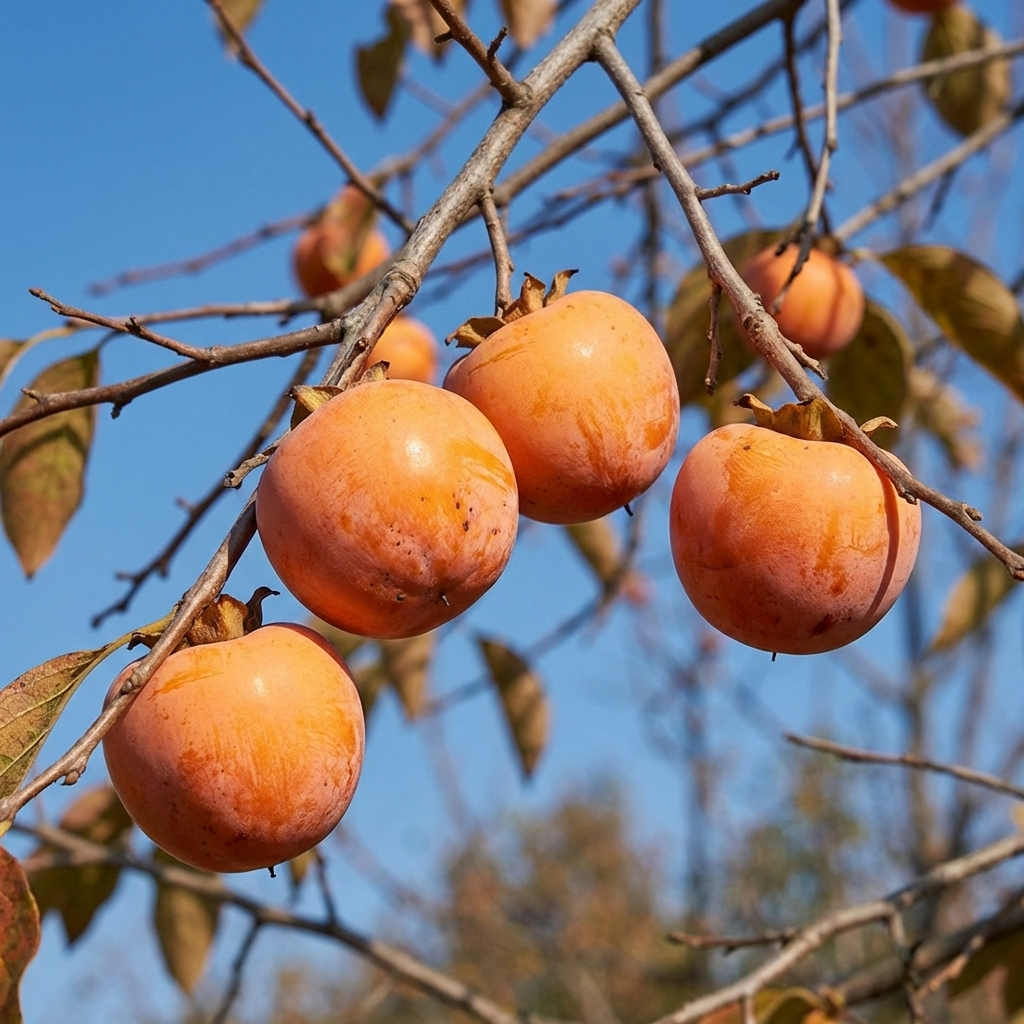
Persimmon Tree
Persimmon Tree
We have 4 in stock
Couldn't load pickup availability
Native American Persimmon Tree for Sale – Missouri Native Persimmon (Diospyros virginiana)
The Native American Persimmon Tree (Diospyros virginiana) is one of the most fascinating and valuable native fruit trees found throughout Missouri and much of the eastern United States. Known for its sweet orange fruits, beautiful fall color, and wildlife benefits, this hardy tree is a fantastic addition to homesteads, food forests, and natural landscapes.
This particular persimmon tree is not grafted, which means it grows naturally from seed and makes an excellent choice for grafting improved persimmon varieties later. Many growers plant native persimmon seedlings as rootstock before grafting larger-fruited cultivars.
You can browse our full nursery selection anytime here: Explore our full collection of trees and plants.
Why Plant a Native American Persimmon Tree?
Native persimmon trees have been valued for centuries for their fruit, wildlife benefits, and durability.
- Produces sweet orange persimmon fruit in fall
- A native tree that grows naturally across Missouri
- Excellent wildlife food source
- Beautiful fall foliage color
- Great rootstock tree for grafting improved persimmon varieties
Because they are native trees, American Persimmons are extremely hardy and adapted to many different climates and soils.
A Native Fruit Tree Loved by Wildlife
The American Persimmon tree produces small orange fruits that ripen in the fall after frost. When fully ripe, the fruit becomes soft and incredibly sweet.
Wildlife such as deer, raccoons, opossums, foxes, and birds all enjoy persimmon fruit. Because of this, many landowners plant persimmons as part of a wildlife habitat planting.
Native fruit trees also pair well with other native species such as the Black Cherry Tree or native shade trees like the Red Oak Tree.
Great Rootstock for Grafting Persimmon Varieties
One of the biggest advantages of a seed-grown persimmon tree is that it can be used as a rootstock for grafting improved persimmon varieties. For those considering grafting, this article compares Asian Persimmon vs American Persimmon to help you choose the best persimmon type.
Many orchard growers plant native persimmon seedlings first, then graft named cultivars onto them later to produce larger or more consistent fruit.
Because native persimmon trees are extremely hardy, they make a very reliable root system for grafted trees.
Mature Size and Growth Rate
American Persimmon trees grow into strong medium to large shade trees.
- Height: 30 to 60 feet tall
- Width: 20 to 35 feet wide
- Growth rate: Moderate
- Shape: Upright with a rounded crown
If you are looking for additional large shade trees for your property, you may also want to explore trees such as the Tulip Poplar Tree or the fast-growing Silver Maple Tree.
Growing Conditions for American Persimmon Trees
Native persimmon trees are extremely adaptable and grow well across a wide range of climates.
- USDA Zones 4 through 9
- Full sun for best fruit production
- Adaptable to many soil types
- Drought-tolerant once established
For best success after planting, we recommend reading our guide here: How to Care for Your New Tree.
When Is the Best Time to Plant a Persimmon Tree?
The best time to plant most fruit and shade trees is during spring or fall when cooler temperatures help roots establish quickly.
Learn more about ideal planting times here: When Is the Best Time to Plant a New Tree?.
Landscaping and Homestead Uses for Persimmon Trees
The American Persimmon tree works well in many landscape and homestead situations.
- Wildlife habitat planting
- Homestead orchards
- Native food forests
- Shade tree for rural properties
- Rootstock for grafted persimmon trees
Many landowners combine persimmons with other wildlife friendly trees such as Black Gum Trees or evergreen species like Eastern Red Cedar to create a natural habitat planting.
Why Buy Trees From Weaver Family Farms Nursery
At Weaver Family Farms Nursery, we are proud to be a small American family nursery dedicated to growing hardy trees that perform well in real landscapes.
If you ever have questions about selecting trees, planting, or shipping, feel free to reach out through our Contact Page.
American Persimmon Tree Frequently Asked Questions
Are these persimmon trees grafted?
No. These are native seed-grown American Persimmon trees that can be used as rootstock for grafting if desired.
Do persimmon trees produce fruit?
Yes. Mature trees produce small orange fruits that become sweet when fully ripe in fall.
Are American Persimmon trees native to Missouri?
Yes. American Persimmon trees naturally grow throughout Missouri and much of the eastern United States.
How long does it take for a persimmon tree to produce fruit?
Seed-grown trees can take several years to begin fruiting, but they are extremely hardy and long-lived trees.
Shipping
Shipping
All of our trees ship Bareroot which means they will ship with no soil and no pot. This allows the plants to have a safer trip through the mail as well as to cut down on shipping costs majorly. The roots will be carefully removed from the pot they are growing in, and then wrapped in moist material with the roots sealed up to keep them moist during transit.
Shipping Restrictions
Shipping Restrictions
To follow your state regulations, we can not ship this plant to California, AZ, AK, HI
Deliveries to WA, UT, ID, NV, MT, ND, and SD MUST be shipped Bareroot.
Check Out Our States We Can Ship To Guide
Will My Plant Have Leaves?
Will My Plant Have Leaves?
The arrival of your plant may vary depending on the season you order. In zone 6, plants have leaves during the growing season but not in late fall, winter, or early spring when they are dormant.

Bareroot Vs Potted Plants
Bareroot Vs Potted Plants
Our method involves combining potted and bareroot plants. They are initially grown in pots before being carefully shipped without the pot or heavy dirt, as per shipping regulations. The plant is then sent to you bareroot.
Click Here To See More Information About Bareroot VS Potted Trees

What Is A Dormant Tree?
What Is A Dormant Tree?
A dormant tree is a deciduous plant that appears asleep and does not have leaves upon arrival. Proper planting and care are necessary until it awakens in the growing season.
Click Here To See The Best Time Of Year For Planting Trees In The Ground

What Is A Grow Zone?
What Is A Grow Zone?
A grow zone is the precise USDA zone where you reside. Certain plants are not adaptable to colder zones, while others struggle in warmer zones. Familiarizing yourself with your zone and the plant's compatibility is vital. Click Here to learn more about grow zones.

What If I Have Other Questions?
What If I Have Other Questions?
We have a great FAQ page that answers many more questions and in great detail to help you have success with your new plants! See Our Frequently Asked Questions Here.