Ninebark
Ninebark
We have 3 in stock
Couldn't load pickup availability
Native Ninebark Shrub for Sale – Missouri Native Ninebark (Physocarpus opulifolius)
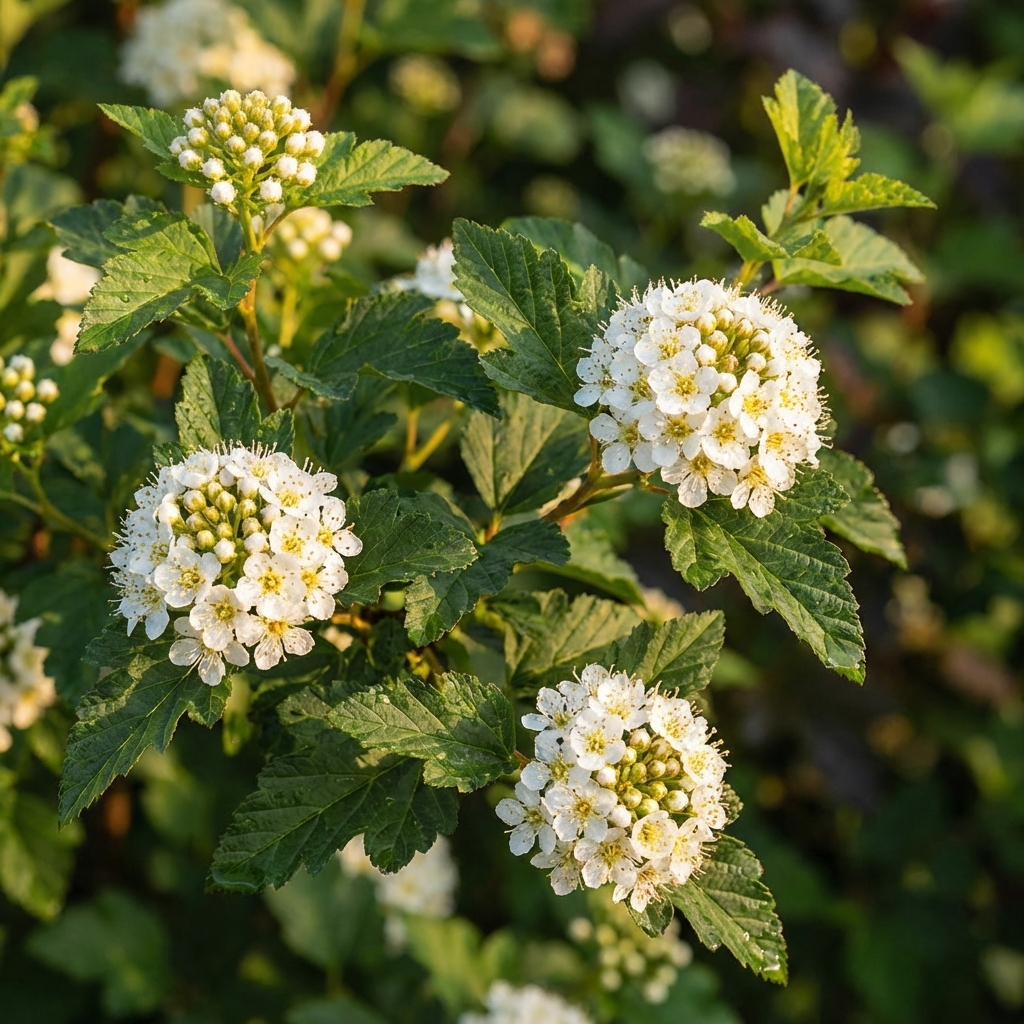
The Native Ninebark Shrub (Physocarpus opulifolius) is a hardy, beautiful shrub that naturally grows throughout Missouri and much of the United States. If you are looking for a tough native plant that brings flowers, texture, and year-round landscape interest, native ninebark is a great choice.
This Missouri native shrub is loved for its clusters of white to light pink flowers, attractive arching branches, and distinctive peeling bark that adds character even in winter. It is a strong choice for native plant landscapes, wildlife-friendly yards, and natural privacy plantings.
You can explore more of our trees and plants here: browse our full nursery plant collection.
Why Plant Native Ninebark?
Native ninebark is one of those shrubs that does a lot without asking for much. Once established, it is dependable, attractive, and easy to grow in many different settings.
- Native to Missouri and much of the eastern and central United States
- Produces clusters of white or soft pink flowers in late spring to early summer
- Peeling bark adds unique texture and winter interest
- Supports pollinators and wildlife
- Adaptable, hardy, and low-maintenance once established
If you are building a native landscape, ninebark fits right in with other strong native choices like Eastern Redbud, White Dogwood, and Black Gum Tree.
A Tough Native Shrub with Real Landscape Value
One of the best things about native ninebark is how useful it is in the landscape. It works well as a specimen shrub, in mixed borders, in naturalized plantings, or as part of a wildlife friendly hedge. The arching branches give it a graceful look, while the exfoliating bark gives it extra visual appeal in the colder months.
Because it is a native shrub, it also helps support beneficial insects and pollinators. That makes it a smart pick for gardeners who want a landscape that looks good and does some good too.
Mature Size and Growth Habit
Native ninebark usually grows into a rounded, spreading shrub with a full branching habit.
- Height: around 5 to 10 feet tall
- Width: around 5 to 10 feet wide
- Growth rate: moderate
- Shape: rounded, arching multi-stem shrub
This size makes it useful for filling in landscape beds, adding structure to native gardens, or creating a looser natural screen. If you want more shrub options to mix with it, take a look at Forsythia, Red Twig Dogwood, or Purple Leaf Sand Cherry.
Growing Conditions for Native Ninebark
Native ninebark is known for being adaptable and easy to grow in a wide range of conditions. It can handle more than many shrubs once it gets established.
- USDA Zones 2 through 8
- Full sun to partial shade
- Tolerates a range of soil types
- Handles average moisture but is fairly tough once established
For best results after planting, be sure to follow our care guide here: how to care for your new tree.
When Is the Best Time to Plant Ninebark?
Like many shrubs, native ninebark does best when planted in spring or fall. Cooler temperatures help the roots establish before the stress of summer heat or winter cold.
If you want more timing help, read our guide here: when is the best time to plant a new tree.
Where to Use Native Ninebark in the Landscape
Native ninebark is flexible enough to work in many different landscape styles. It looks right at home in both naturalized and more traditional yards.
- Native plant gardens
- Wildlife friendly landscapes
- Mixed shrub borders
- Natural screening or informal hedges
- Erosion control or slope plantings
It also works nicely with other native and ornamental shrubs to create more color and texture through the year. You might pair it with Rose of Sharon, Gold Mound Spirea, or Flowering Quince.
Why Buy From Weaver Family Farms Nursery
At Weaver Family Farms Nursery, we are proud to be a small American family nursery that loves growing hardy plants for real landscapes. We care about offering strong trees and shrubs that are well suited for American yards and growing conditions.
If you ever have questions about planting, shipping, or choosing the right plant for your space, feel free to reach out through our contact page. You can also read more helpful planting articles on our tree and plant blog.
Native Ninebark Frequently Asked Questions
Is ninebark native to Missouri?
Yes. Native ninebark is a Missouri native shrub and is also found across much of the United States.
How big does native ninebark get?
Most native ninebark shrubs grow around 5 to 10 feet tall and wide depending on growing conditions and pruning.
Does ninebark attract pollinators?
Yes. The flowers can attract bees and other beneficial pollinators, making it a good choice for wildlife friendly landscaping.
Why is it called ninebark?
Ninebark gets its name from its peeling bark, which can appear in several thin layers on older stems.
Is native ninebark easy to grow?
Yes. Native ninebark is considered a hardy, adaptable, and low maintenance shrub once established.
Shipping
Shipping
All of our trees ship Bareroot which means they will ship with no soil and no pot. This allows the plants to have a safer trip through the mail as well as to cut down on shipping costs majorly. The roots will be carefully removed from the pot they are growing in, and then wrapped in moist material with the roots sealed up to keep them moist during transit.
Shipping Restrictions
Shipping Restrictions
To follow your state regulations, we can not ship this plant to California, AZ, AK, HI
Deliveries to WA, UT, ID, NV, MT, ND, and SD MUST be shipped Bareroot.
Check Out Our States We Can Ship To Guide
Will My Plant Have Leaves?
Will My Plant Have Leaves?
The arrival of your plant may vary depending on the season you order. In zone 6, plants have leaves during the growing season but not in late fall, winter, or early spring when they are dormant.

Bareroot Vs Potted Plants
Bareroot Vs Potted Plants
Our method involves combining potted and bareroot plants. They are initially grown in pots before being carefully shipped without the pot or heavy dirt, as per shipping regulations. The plant is then sent to you bareroot.
Click Here To See More Information About Bareroot VS Potted Trees

What Is A Dormant Tree?
What Is A Dormant Tree?
A dormant tree is a deciduous plant that appears asleep and does not have leaves upon arrival. Proper planting and care are necessary until it awakens in the growing season.
Click Here To See The Best Time Of Year For Planting Trees In The Ground

What Is A Grow Zone?
What Is A Grow Zone?
A grow zone is the precise USDA zone where you reside. Certain plants are not adaptable to colder zones, while others struggle in warmer zones. Familiarizing yourself with your zone and the plant's compatibility is vital. Click Here to learn more about grow zones.

What If I Have Other Questions?
What If I Have Other Questions?
We have a great FAQ page that answers many more questions and in great detail to help you have success with your new plants! See Our Frequently Asked Questions Here.