Blueberry Plant 'Duke'
Blueberry Plant 'Duke'
We have 6 in stock
Couldn't load pickup availability
Duke Blueberry Plant for Sale – Early Season Duke Blueberry Bush
The Duke Blueberry Plant is one of the most popular early-season blueberry varieties grown in the United States. Known for its heavy production, excellent flavor, and dependable performance, Duke blueberries are a favorite choice for backyard gardeners, homesteaders, and berry growers alike. For in-depth growing tips and detailed care information, you’ll find our Duke Blueberry complete growing guide essential for getting the best results from Duke blueberries.
If you want a productive blueberry bush that produces large crops of sweet berries early in the season, Duke is an outstanding choice. This hardy variety is known for strong growth, reliable harvests, and beautiful landscape appeal.
You can browse all of our available fruit plants and nursery stock here: explore our full nursery plant collection.
Why Gardeners Love Duke Blueberry Plants
Duke blueberries are extremely popular because they combine heavy berry production with excellent plant vigor and cold hardiness.
- Produces large sweet blueberries
- Heavy producer with dependable yields
- Ripens early in the blueberry season
- Cold hardy and reliable
- Beautiful ornamental shrub with fall color
Duke blueberries are excellent for fresh eating, freezing, baking, smoothies, jams, and desserts.
Excellent Berry Production
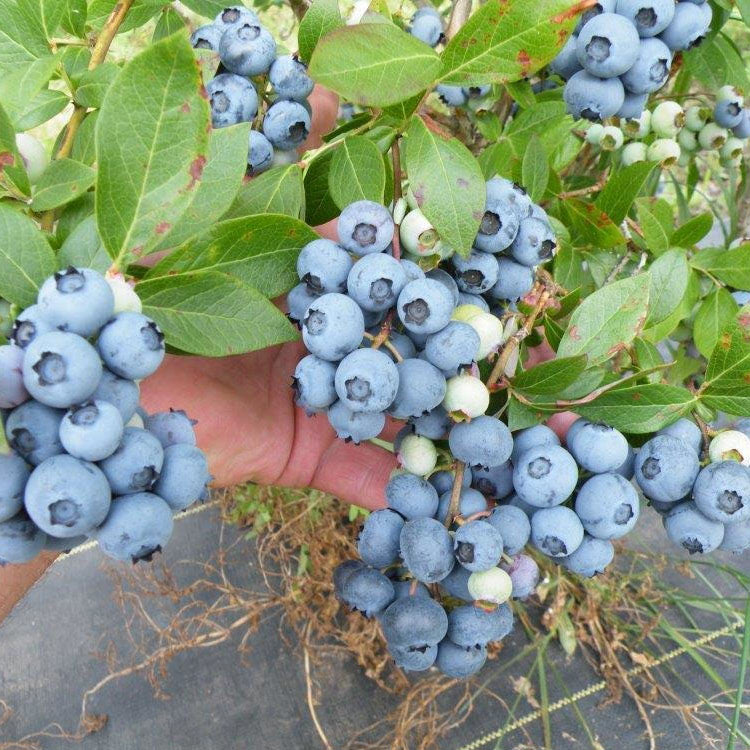
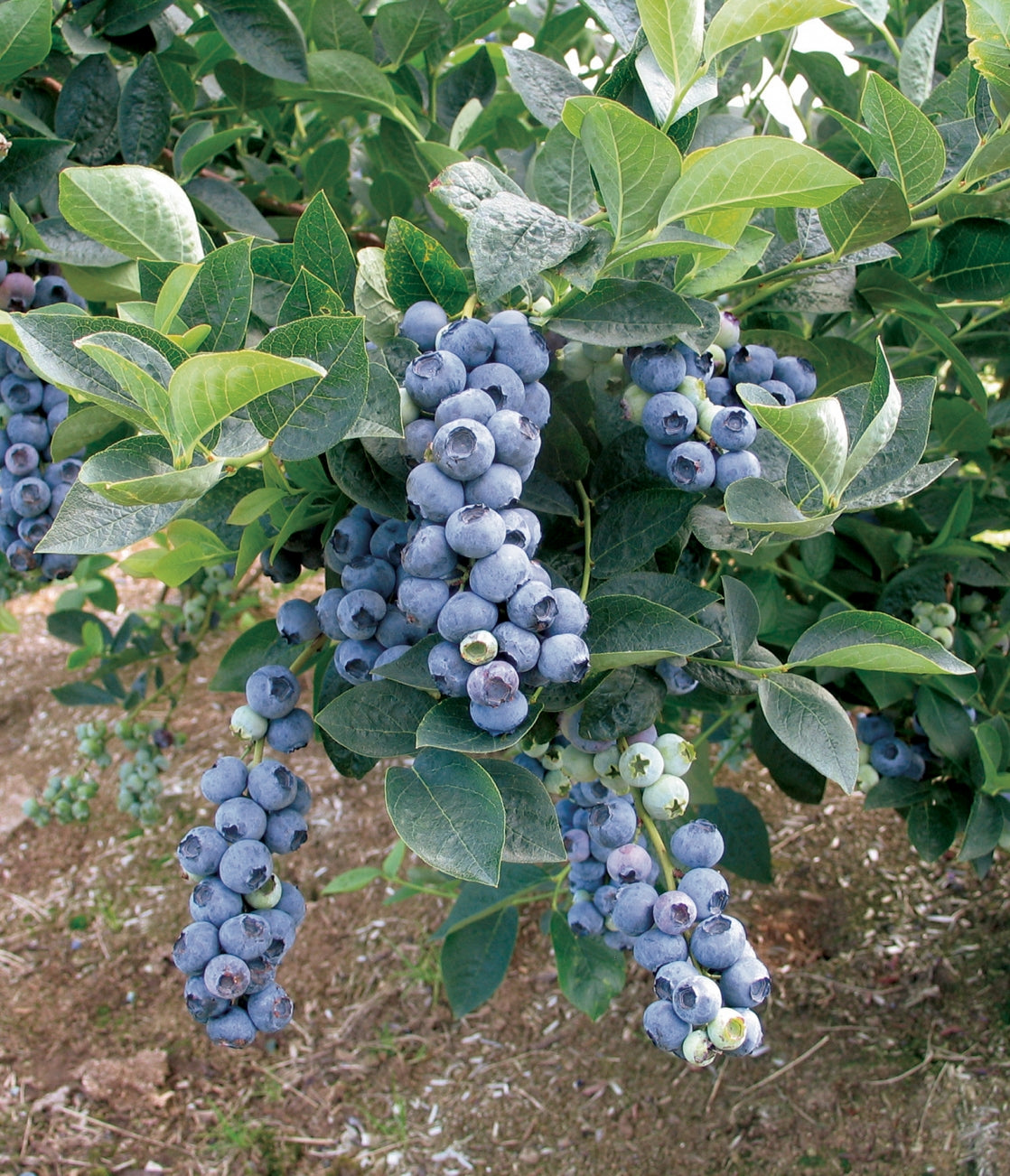
One of the biggest reasons people plant Duke blueberries is because they are highly productive plants. Mature bushes can produce impressive crops of large light-blue berries year after year.
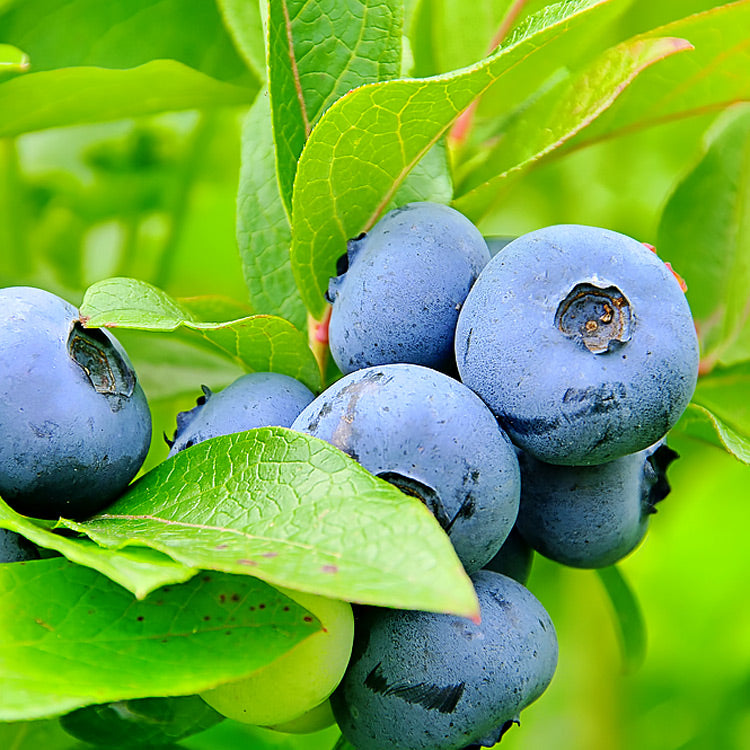
The berries have a classic sweet blueberry flavor with firm texture that holds up well for fresh eating and storage.
If you enjoy growing edible berry plants, you may also love our Bluecrop Blueberry Plants, Triple Crown Blackberry Plants, or Seedless Concord Grape Vines.
Beautiful Landscape and Fall Color
Duke Blueberry plants are not only productive fruit bushes, but they are also attractive landscape plants.
In spring, the plants develop small white flowers that pollinators love. During summer, they become loaded with blueberries. In fall, the foliage often turns beautiful shades of orange, red, and burgundy.
This makes Duke blueberries an excellent choice for edible landscaping.
Mature Size and Growth Habit
Duke blueberry bushes grow into upright productive shrubs with dense branching.
- Height: around 4 to 6 feet tall
- Width: around 4 to 6 feet wide
- Growth rate: moderate
- Shape: upright, rounded shrub
Their manageable size makes them perfect for backyard berry patches, raised beds, and edible landscapes.
Growing Conditions for Duke Blueberries
Duke blueberries perform best when planted in the right conditions.
- USDA Zones 4 through 8
- Full sun for best berry production
- Acidic well-drained soil preferred
- Consistent moisture during the growing season
Blueberries generally grow best in acidic soil conditions with good organic matter.
For best success after planting, read our helpful guide here: How to Care for Your New Tree.
Pollination and Berry Production
Duke blueberries are self-fertile, meaning they can produce fruit on their own. However, planting multiple blueberry varieties nearby can often improve pollination and increase berry yields.
Many gardeners combine blueberries with other productive edible plants such as Aurora Honeyberry, Tundra Honeyberry, and Saskatoon Serviceberry.
When Is the Best Time to Plant Blueberries?
The best time to plant blueberry bushes is during spring or fall when cooler temperatures help roots establish more easily.
Learn more about planting timing here: When Is the Best Time to Plant a New Tree?.
Edible Landscaping and Homestead Uses
Duke blueberry plants are excellent for productive landscapes and backyard food production.
- Backyard berry gardens
- Edible landscaping
- Homestead gardens
- Raised beds and berry patches
- Pollinator-friendly gardens
Many homeowners combine blueberries with productive native fruit plants like American Elderberry, Native Pawpaw Trees, and Native Serviceberry Trees.
Why Buy From Weaver Family Farms Nursery
At Weaver Family Farms Nursery, we are proud to be a small American family nursery that truly cares about growing hardy plants for real landscapes and productive gardens.
We carefully grow plants that perform well across many climates while helping families enjoy homegrown fruit and beautiful landscapes.
If you ever have questions about planting, shipping, or selecting berry plants, feel free to contact us anytime through our Contact Page.
Duke Blueberry Frequently Asked Questions
Are Duke blueberries sweet?
Yes. Duke blueberries are known for their classic sweet blueberry flavor with excellent texture.
When do Duke blueberries ripen?
Duke is considered an early-season blueberry variety and usually ripens earlier than many other blueberry plants.
How big do Duke blueberry bushes get?
Duke blueberry bushes typically grow around 4 to 6 feet tall and wide.
Do Duke blueberries need another plant for pollination?
Duke blueberries are self-fertile, but planting multiple blueberry varieties nearby can help improve berry production.
Are Duke blueberry plants cold-hardy?
Yes. Duke blueberry plants are considered cold hardy and perform well across many northern growing zones.
Shipping
Shipping
All of our trees ship Bareroot which means they will ship with no soil and no pot. This allows the plants to have a safer trip through the mail as well as to cut down on shipping costs majorly. The roots will be carefully removed from the pot they are growing in, and then wrapped in moist material with the roots sealed up to keep them moist during transit.
Shipping Restrictions
Shipping Restrictions
To follow your state regulations, we can not ship this plant to California, AZ, AK, HI
Deliveries to WA, UT, ID, NV, MT, ND, and SD MUST be shipped Bareroot.
Check Out Our States We Can Ship To Guide
Will My Plant Have Leaves?
Will My Plant Have Leaves?
The arrival of your plant may vary depending on the season you order. In zone 6, plants have leaves during the growing season but not in late fall, winter, or early spring when they are dormant.

Bareroot Vs Potted Plants
Bareroot Vs Potted Plants
Our method involves combining potted and bareroot plants. They are initially grown in pots before being carefully shipped without the pot or heavy dirt, as per shipping regulations. The plant is then sent to you bareroot.
Click Here To See More Information About Bareroot VS Potted Trees

What Is A Dormant Tree?
What Is A Dormant Tree?
A dormant tree is a deciduous plant that appears asleep and does not have leaves upon arrival. Proper planting and care are necessary until it awakens in the growing season.
Click Here To See The Best Time Of Year For Planting Trees In The Ground

What Is A Grow Zone?
What Is A Grow Zone?
A grow zone is the precise USDA zone where you reside. Certain plants are not adaptable to colder zones, while others struggle in warmer zones. Familiarizing yourself with your zone and the plant's compatibility is vital. Click Here to learn more about grow zones.

What If I Have Other Questions?
What If I Have Other Questions?
We have a great FAQ page that answers many more questions and in great detail to help you have success with your new plants! See Our Frequently Asked Questions Here.