Most people have never heard of Nanking cherry. That’s a shame — because it’s one of the most productive, cold-hardy, and beautiful fruiting shrubs you can plant. If you’ve stumbled across the name and want to know what it is, whether it’s worth growing, and what the fruit tastes like, you’re in the right place. This guide answers every question about Nanking cherry from the ground up.
What Is a Nanking Cherry?

Nanking cherry (Prunus tomentosa) is a large, multi-stemmed deciduous shrub that produces an abundance of small, bright red cherries in early summer. It’s native to central and northern Asia — China, Japan, Korea, and the Himalayas — where it has been cultivated for centuries. The name “Nanking” comes from Nanjing (formerly romanized as Nanking), China, one of the regions where the plant was historically grown.
In North America, Nanking cherry was introduced in the late 1800s and quickly proved itself as one of the most cold-hardy and productive fruiting shrubs available for northern gardens. It’s been a staple of prairie homesteads and northern edible landscapes for over a century — yet it remains largely unknown to most gardeners outside of the upper Midwest and Canada.
What Does a Nanking Cherry Look Like?

Nanking cherry is a large, rounded shrub that grows 6–8 feet tall and equally wide. It has multiple stems rising from the base — more like a large shrub than a tree. The bark is attractive — reddish-brown and peeling on older stems, similar to ornamental cherry bark.
The plant goes through four distinct seasons of interest:
- Early spring: Covered in white to pale pink flowers before or just as the leaves emerge — one of the most spectacular spring-blooming shrubs available. The bloom rivals ornamental cherries and arrives very early in the season.
- Late spring – early summer: Dark green, slightly fuzzy leaves (the species name tomentosa means “downy” or “fuzzy”) fill out the shrub. Small green cherries develop and begin to color.
- Early summer: The shrub is covered in bright red cherries — a spectacular sight. Every branch is loaded with fruit, the whole plant glowing red.
- Fall: Leaves turn yellow-orange before dropping. The peeling bark becomes more visible and attractive in winter.
What Do Nanking Cherries Taste Like?
Nanking cherries taste like a small, tart cherry — distinctly cherry-flavored, juicy, and tart-sweet. The flavor is more tart than sweet cherries (like Bing or Rainier) but less sour than pie cherries (like Montmorency). Most people describe them as having an intense, concentrated cherry flavor that’s excellent for fresh eating when fully ripe and outstanding for jam, jelly, and syrup. For similar fruiting shrubs that thrive in the Midwest, consider other berry plants that offer fresh and homegrown fruit with great flavor, as detailed in best berry plants for the Midwest.
The berries are small — about the size of a large pea or small grape — with a pit that’s proportionally large relative to the fruit. The flesh-to-pit ratio is decent for such a small fruit, and the skin is thin and tender. When fully ripe (deep red, coming off the branch easily), they’re genuinely delicious fresh off the bush.
Flavor summary: Tart-sweet, intensely cherry, juicy, thin-skinned. Best fresh when fully ripe; outstanding for jam, jelly, syrup, and wine.
Are Nanking Cherries Edible?
Yes — Nanking cherries are fully edible and have been eaten by humans for centuries. They’re not just edible but genuinely delicious, especially when fully ripe. The fruit, leaves, and flowers are all non-toxic. The pits (seeds) contain small amounts of amygdalin (as do all Prunus species, including peaches, plums, and apricots) and should not be eaten in large quantities — but the fruit itself is completely safe.
How Big Do Nanking Cherry Shrubs Get?

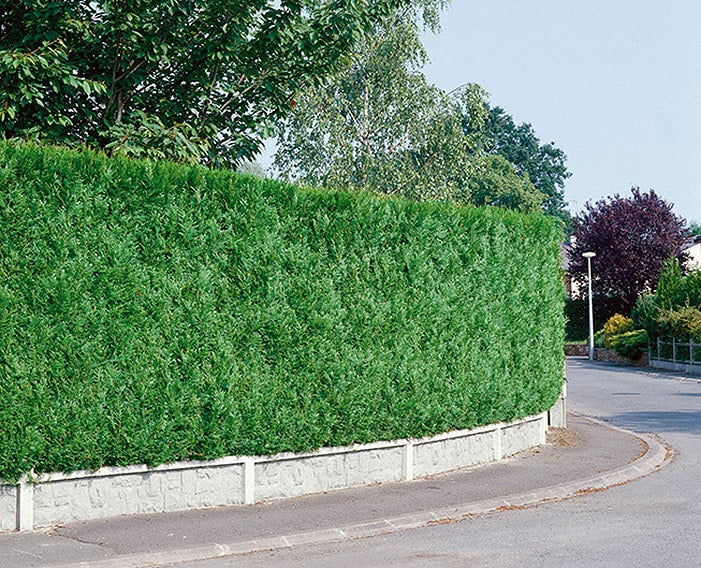
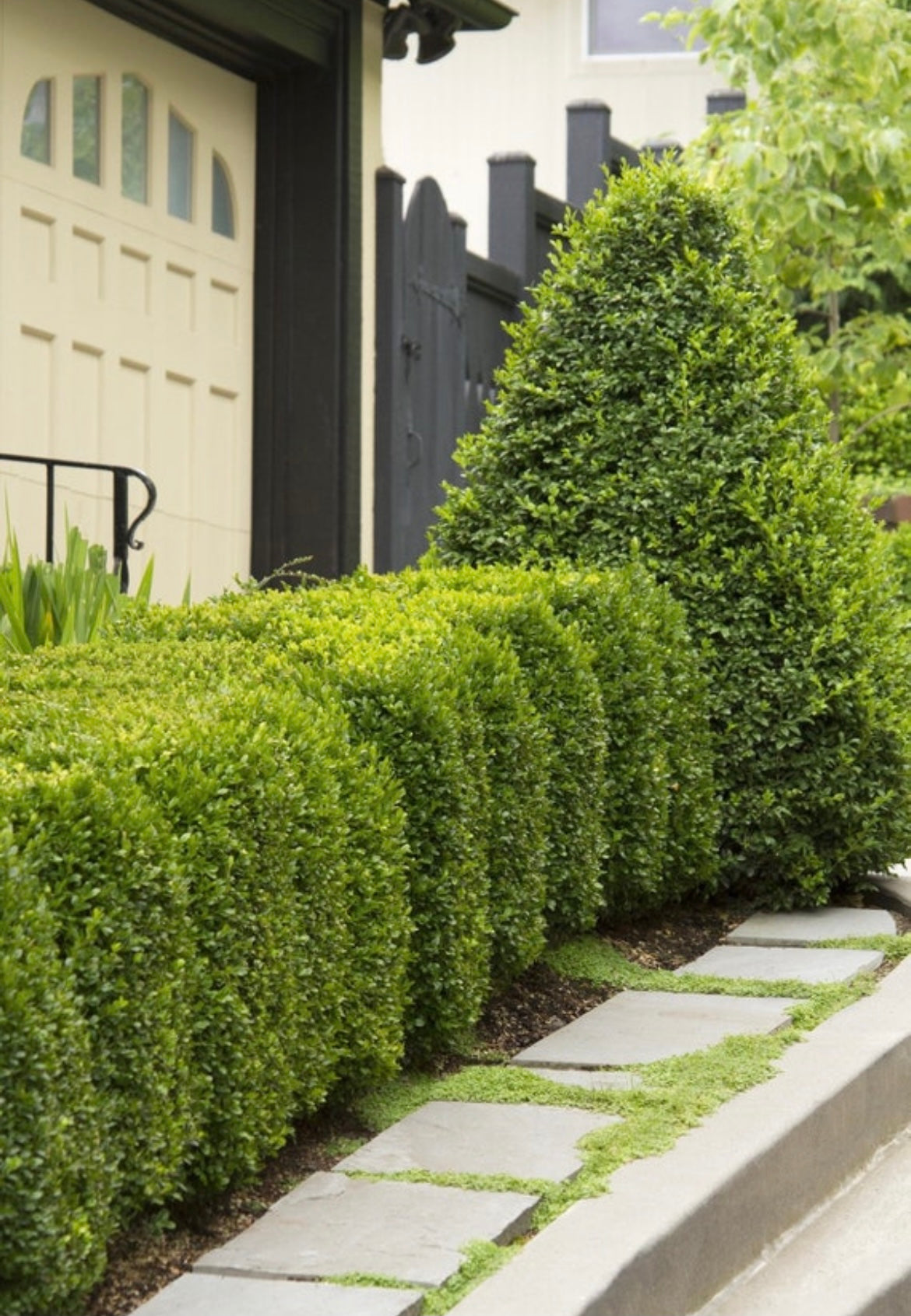
Nanking cherry grows 6–8 feet tall and 6–8 feet wide at maturity. It’s a large shrub — bigger than most people expect — so give it room. It reaches full size in 3–4 years and begins fruiting by year 2–3. The dense, rounded form makes it excellent for hedges, screens, and windbreaks as well as specimen plantings.
How Cold-Hardy Is Nanking Cherry?
Nanking cherry is one of the most cold-hardy fruiting plants available — hardy to Zone 2 (-50°F). It thrives across the entire northern US and Canada, including regions where most fruiting plants struggle or fail. It’s been a staple of prairie gardens precisely because it survives the brutal winters of the Great Plains and upper Midwest without protection.
The flowers are also relatively frost-tolerant — they can survive light frosts after bloom, though a hard freeze (below 28°F) during full bloom can damage the crop. Because Nanking cherry blooms very early in spring, late frost damage is the main weather risk in most climates.
Is Nanking Cherry Self-Fertile?
Nanking cherry is partially self-fertile — a single plant will produce some fruit. However, cross-pollination between two different varieties dramatically improves fruit set and yield. Planting two varieties — like our Gabe and Jules — within 15–20 feet of each other is strongly recommended for maximum production. With cross-pollination, a pair of mature plants can produce 20–30 lbs of cherries combined in a good year.
What Are Nanking Cherries Used For?

Nanking cherries are versatile in the kitchen. The most popular uses:
- Nanking cherry jam and jelly — the most popular use; the intense cherry flavor makes outstanding preserves with a beautiful deep red color
- Nanking cherry syrup — simmer with sugar and water for a stunning cherry syrup for pancakes, waffles, ice cream, and cocktails
- Fresh eating — eat straight off the bush when fully ripe; the flavor is best at peak ripeness
- Nanking cherry juice — press or cook and strain for an intensely flavored cherry juice
- Nanking cherry wine — the tart flavor and high juice content make excellent fruit wine
- Nanking cherry pie — use like pie cherries with extra sugar to balance the tartness
- Dried cherries — pit and dehydrate for a tart dried cherry excellent in trail mix and baked goods
- Wildlife food — birds and mammals love the fruit; excellent for wildlife gardens
Nanking Cherry vs. Regular Cherry: What’s the Difference?
| Feature | Nanking Cherry | Sweet Cherry (e.g. Bing) | Pie Cherry (e.g. Montmorency) |
|---|---|---|---|
| Plant Form | Multi-stem shrub | Tree (20–35 ft) | Tree (15–25 ft) |
| Cold Hardiness | Zone 2 (-50°F) | Zone 5–6 | Zone 4–5 |
| Berry Size | Small (pea-sized) | Large | Medium |
| Flavor | Tart-sweet, intense | Sweet, mild | Very tart |
| Years to Fruit | 2–3 years | 4–7 years | 3–5 years |
| Maintenance | Low | High | Moderate |
| Best Use | Jam, jelly, fresh, wildlife | Fresh eating | Pie, jam, juice |
Is Nanking Cherry Invasive?
Nanking cherry can spread by seed in some regions — birds eat the fruit and deposit seeds away from the parent plant. It’s not listed as invasive in most US states, but it has naturalized in parts of the upper Midwest and Pacific Northwest. Named varieties like Gabe and Jules are selected cultivars that are generally less aggressive than wild-type seedlings. Check your local invasive species list if you’re in a region where it may spread.
Where Does Nanking Cherry Grow Best?
Nanking cherry grows best in Zones 2–6 — the cold-winter regions of the northern US and Canada where it truly excels. It performs well in:
- The upper Midwest (Minnesota, Wisconsin, Michigan, Iowa, the Dakotas)
- The Great Plains (Nebraska, Kansas, Colorado)
- The Mountain West (Montana, Wyoming, Idaho)
- The Northeast (New England, New York, Pennsylvania)
- Canada (all provinces)
It struggles in Zone 7+ — the warm winters don’t provide enough chilling hours for reliable bloom and fruit set, and the hot, humid summers increase disease pressure.

📚 Ready to grow one? See our Complete Nanking Cherry Growing Guide (Gabe & Jules) →
How Fast Does Nanking Cherry Grow?
Nanking cherry is a fast grower — it puts on 2–3 feet of growth per year under good conditions and reaches full size in 3–4 years. It begins fruiting by year 2–3, making it one of the fastest-producing fruiting shrubs available. Compare this to sweet cherry trees, which take 4–7 years to begin fruiting and require much more space and maintenance.
How Long Do Nanking Cherry Plants Live?
Nanking cherry typically lives 15–25 years. It’s not as long-lived as a fruit tree, but it grows and produces so quickly that it delivers excellent value over its lifespan. Older plants can be rejuvenated by cutting them back hard in late winter, which stimulates vigorous new growth from the base and effectively restarts the plant’s productive life.
Our Nanking Cherry Varieties: Gabe & Jules
We carry two named Nanking cherry varieties selected for superior fruit production, flavor, and ornamental value:
- Gabe — vigorous, dense, rounded form; heavy fruit set; bright red, tart-sweet cherries; outstanding for jam and fresh eating. Hardy Zones 2–6.
- Jules — slightly more upright form; reliable producer; excellent cross-pollinator for Gabe; same outstanding cherry flavor. Hardy Zones 2–6.
Plant both for cross-pollination and maximum yield. Gabe + Jules is the ideal combination — they cross-pollinate each other, ripen at the same time, and look beautiful planted together.
🍒 Ready to grow your own Nanking cherries?
Both Gabe and Jules ship directly to your door. Plant both for cross-pollination and your first harvest as soon as next summer.