Growing your own berries and edible fruits is one of the most satisfying things you can do in a Midwest yard. Unlike fruit trees that take years to produce, many berry plants start producing in their first or second year — delivering fresh, homegrown fruit that tastes dramatically better than anything from a grocery store. And once established, most berry plants require minimal maintenance and produce reliably for decades. This article goes into more detail about choosing and caring for these plants so you can enjoy a thriving garden with growing berry plants in the Midwest.
This guide covers the best berry plants, vines, and edible fruits for the Midwest — from blueberries and blackberries to honeyberries, grapes, pawpaws, and more. Every plant ships directly from our nursery.
Blueberries — The Most Popular Home Berry
Blueberries are the most popular home berry plant in America — and for good reason. The fruit is delicious, nutritious, and dramatically better fresh-picked than store-bought. Blueberries also produce beautiful white spring flowers, attractive summer foliage, and brilliant red fall color — making them ornamental as well as edible. Plant at least two different varieties for cross-pollination and best yields.
Blueberry Plant 'Blue Gold' — The Sweetest Late-Season Blueberry

Blue Gold is one of the sweetest and most productive highbush blueberry varieties available. It ripens in late July — later than most varieties — extending your blueberry harvest season. The large, firm berries have excellent flavor and hold well on the bush without dropping. Blue Gold also has outstanding fall color — brilliant red-orange that rivals any ornamental shrub. Grows 4–5 feet tall. Hardy in Zones 4–7.

✅ Our Blueberry Plant 'Blue Gold' is the sweetest late-season blueberry for Midwest home gardens.
Blueberry Plant 'Blue Crop' — The Most Reliable Mid-Season Blueberry

Blue Crop is the most widely planted blueberry variety in the world — and for good reason. It's the most reliable, consistent producer available, delivering large crops of firm, flavorful berries in mid-July year after year. It's also one of the most cold-hardy highbush varieties, handling Zone 4 winters without damage. Grows 4–5 feet tall. Hardy in Zones 4–7. Plant alongside Blue Gold for a cross-pollination pair that extends your harvest from mid-July through late July.

Our Blueberry Plant 'Blue Crop' is the most reliable mid-season blueberry — the world's most popular variety for good reason.
Honeyberries (Haskap) — The Earliest Fruit of the Season
Honeyberries (also called Haskap) are one of the most exciting edible plants for Midwest gardeners. They produce elongated blue berries that taste like a cross between blueberry and raspberry — sweet, tangy, and intensely flavored. The most remarkable thing about honeyberries: they ripen in late May or early June, weeks before any other fruit. They're also extraordinarily cold-hardy — the flowers can survive temperatures down to 20°F, making them virtually frost-proof. Plant two or more varieties for cross-pollination. To get the most from these early-season fruits, refer to our complete honeyberry haskap guide that covers planting and care complete honeyberry haskap guide.
Honeyberry 'Aurora' Haskap — Large Sweet Late-Season Honeyberry

Aurora is one of the largest and sweetest honeyberry varieties available — the elongated blue berries are significantly larger than most honeyberry varieties and have an excellent sweet flavor with minimal tartness. It ripens slightly later than other honeyberry varieties (mid-June), extending the harvest window. Grows 5–6 feet tall. Hardy in Zones 2–8.

Our Honeyberry 'Aurora' is the largest and sweetest late-season honeyberry we carry.
Honeyberry 'Tundra' Haskap — The Most Productive Early Honeyberry

Tundra is one of the most productive honeyberry varieties available — it produces heavy crops of medium-sized berries with a sweet-tart flavor excellent for fresh eating and jam. It ripens in late May to early June — one of the earliest fruiting plants you can grow in the Midwest. Compact and upright, growing 4–5 feet tall. Hardy in Zones 2–8. An excellent pollinator partner for Aurora.

Our Honeyberry 'Tundra' is the most productive early honeyberry — the first fruit of the season.
Honeyberry 'Indigo Treat' Haskap — Sweet Mild Flavor, Heavy Producer

Indigo Treat is a heavy-producing honeyberry with a mild, sweet flavor that's more approachable than the tarter varieties — excellent for fresh eating straight off the bush. The large berries ripen in early June. Grows 4–5 feet tall. Hardy in Zones 2–8. Works as a pollinator for both Aurora and Tundra, making it an excellent third variety for a three-plant honeyberry planting.

Our Honeyberry 'Indigo Treat' is a mild, sweet heavy producer — the most approachable honeyberry for fresh eating.
Blackberries — The Most Productive Home Berry
Blackberry 'Triple Crown' — The Best Thornless Blackberry

Triple Crown is widely considered the best thornless blackberry variety available — it produces enormous, glossy black berries with exceptional sweet flavor in July and August. The berries are significantly larger and sweeter than wild blackberries, and the thornless canes make harvesting a pleasure rather than a battle. Triple Crown is also one of the most productive blackberry varieties — a mature planting can produce 10–20 pounds of berries per plant per year. Hardy in Zones 5–9.

✅ Our Blackberry 'Triple Crown' is the best thornless blackberry for Midwest home gardens — enormous, sweet berries with no thorns.
Grapes — Grow Your Own Vineyard
Grapes are one of the most rewarding edible plants for Midwest yards — they grow vigorously, produce abundantly, and create beautiful, lush coverage on trellises, arbors, and fences. The right varieties are cold-hardy enough to thrive through Midwest winters without protection.
Grape Vine 'Jupiter' — The Best Seedless Table Grape for the Midwest

Jupiter is one of the best seedless table grapes for the Midwest — large, blue-purple grapes with a sweet, mild muscat flavor and crisp texture. It ripens in late August, earlier than most grape varieties, and is one of the most cold-hardy seedless grapes available. The vigorous vines grow 15–20 feet and create beautiful coverage on trellises and arbors. Hardy in Zones 5–8.

✅ Our Grape Vine 'Jupiter' is the best seedless table grape for Midwest trellises and arbors.
Grape Vine 'Seedless Concord' — The Classic American Grape

Seedless Concord is the classic American grape — the deep purple, intensely flavored grape that defines grape juice, grape jelly, and grape jam. This seedless version delivers all the bold, classic Concord flavor without the seeds. It's also one of the most cold-hardy grape varieties available, thriving in Zone 4 winters. Ripens in September. Vigorous vines grow 15–20 feet. Hardy in Zones 4–8.

Our Grape Vine 'Seedless Concord' is the classic American grape — bold flavor, no seeds, cold-hardy to Zone 4.
Serviceberry — The Native Edible Landscape Tree

Serviceberry is the ultimate edible landscape plant — it's beautiful enough to be a specimen ornamental tree AND produces delicious berries that taste like a cross between blueberry and cherry. The berries ripen in June — one of the earliest fruits of the season — and are excellent for fresh eating, pies, jams, and wine. White spring flowers, brilliant fall color, and attractive smooth gray bark round out four seasons of interest. Grows 15–25 feet tall. Hardy in Zones 3–9.

Our Serviceberry is the best edible landscape tree for Midwest yards — beautiful, productive, and native.
American Elderberry — The Native Superfruit Shrub

American Elderberry is one of the most versatile edible plants for Midwest yards. The massive white flower clusters in early summer are edible — used for elderflower cordial, fritters, and tea. The dark purple berries that follow in late summer are prized for elderberry syrup, wine, jam, and pie. Elderberry syrup has become enormously popular for immune support, and home-grown elderberries are far more potent than commercial products. Grows 6–10 feet fast. Hardy in Zones 3–9.

Our American Elderberry is the most versatile native edible shrub — both the flowers and berries are prized for food and medicine.
Pawpaw — The Largest Native Fruit in North America
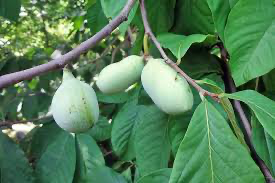
Pawpaw is one of the most exciting edible plants for Midwest gardeners — a native fruit tree that produces large, tropical-tasting fruits right here in the Midwest. The custard-like flesh tastes like a cross between banana, mango, and vanilla — unlike anything else you can grow in a temperate climate. Plant two or more pawpaws for cross-pollination and best fruit production.
Pawpaw Tree — The Native Midwest Tropical Fruit

The Pawpaw Tree is a native Midwest understory tree that produces the largest edible fruit native to North America. The green, mango-shaped fruits ripen in September and October, with creamy yellow custard flesh that tastes like a blend of banana, mango, and vanilla. Pawpaws are also beautiful landscape trees — large, tropical-looking leaves, attractive purple spring flowers, and excellent yellow fall color. Grows 15–25 feet tall. Hardy in Zones 5–8.

Our Pawpaw Tree is the most exotic-tasting native fruit you can grow in the Midwest.
Pawpaw Tree 'Pennsylvania Gold' — Named Variety with Superior Fruit

Pennsylvania Gold is a named pawpaw variety selected for superior fruit quality — the fruits have a rich, golden-yellow flesh with exceptional sweetness and complex tropical flavor. Named varieties like Pennsylvania Gold are selected from thousands of seedlings for the best flavor, largest fruit size, and most reliable production. Plant alongside our standard Pawpaw Tree for cross-pollination and a longer harvest window. Hardy in Zones 5–8.

Our Pawpaw Tree 'Pennsylvania Gold' is a superior named variety with exceptional golden-yellow flesh and tropical flavor.
Climbing Rose 'Blaze' — The Classic Red Climbing Rose

Climbing Rose 'Blaze' is the most popular climbing rose in America — brilliant scarlet-red flowers in large clusters cover the canes in June, with repeat blooming through summer and fall. It's one of the most cold-hardy climbing roses available, handling Midwest winters reliably. The vigorous canes grow 10–15 feet, making it perfect for trellises, arbors, fences, and pergolas. Hardy in Zones 5–9.

Our Climbing Rose 'Blaze' is the most popular and most cold-hardy climbing rose for Midwest trellises and arbors.
Your Midwest Berry & Edible Fruit Harvest Calendar
- Late May – Early June: Honeyberry 'Tundra', Honeyberry 'Indigo Treat' — the first fruits of the season
- Mid-June: Honeyberry 'Aurora', Serviceberry — sweet early summer berries
- Mid-July: Blueberry 'Blue Crop' — reliable mid-season blueberries
- Late July: Blueberry 'Blue Gold' — sweet late-season blueberries
- July – August: Blackberry 'Triple Crown' — enormous thornless blackberries
- Late August: Grape 'Jupiter' — sweet seedless table grapes
- Late August – September: Elderberry — dark purple berries for syrup and jam
- September: Grape 'Seedless Concord' — classic American grape flavor
- September – October: Pawpaw, Pawpaw 'Pennsylvania Gold' — tropical-tasting native fruit
Plant a mix from this list and you'll have fresh homegrown fruit from late May through October — five full months of harvest from your own yard.
Berry Planting Tips for the Midwest
- Plant two varieties for cross-pollination. Blueberries, honeyberries, and pawpaws all need a second variety nearby for best fruit production. Plant at least two different varieties of each.
- Acidic soil for blueberries. Blueberries require acidic soil (pH 4.5–5.5). Test your soil and amend with sulfur if needed before planting. Most Midwest soils are too alkaline for blueberries without amendment.
- Full sun for maximum production. All fruiting plants produce best in full sun (6+ hours). Pawpaw and serviceberry tolerate partial shade but produce more fruit in sun.
- Mulch heavily. A 3–4 inch layer of wood chip mulch dramatically improves establishment and moisture retention. Read our guide on proper mulching technique.
- Grapes need a trellis. Install a sturdy trellis, arbor, or fence before planting grapes. They grow vigorously and need support from year one.
🍓 Ready to grow your own berries and fruit?
Every plant in this guide ships directly to your door — ready to plant and start producing. Browse our full berry and fruit collection today.
Shop Berry Plants →