Nanking cherry is one of the most underappreciated edible shrubs you can plant. It produces an abundance of bright red cherries in early summer, blooms with stunning white-pink flowers in spring, and shrugs off winters that would kill most fruiting plants. Hardy to Zone 2, drought-tolerant once established, and loaded with fruit by its second or third year — Nanking cherry delivers more reward for less effort than almost any other fruiting shrub available. If you’ve never grown it, this guide will show you exactly why it belongs in every edible landscape.
What Is Nanking Cherry?

Nanking cherry (Prunus tomentosa) is a large, multi-stemmed shrub native to central and northern Asia. It’s been cultivated for centuries in China and Japan, and was introduced to North America in the late 1800s where it quickly proved itself as one of the most cold-hardy and productive fruiting shrubs available. The name “Nanking” refers to Nanjing, China — one of the regions where the plant was historically cultivated. For a detailed look at the shrub’s characteristics and value, see our Nanking cherry shrub overview article.
The cherries are small — about the size of a large pea — but produced in extraordinary abundance. A mature Nanking cherry shrub in full fruit is a spectacular sight: every branch covered in bright red cherries, the whole plant glowing like a jewel. The flavor is tart-sweet, distinctly cherry, and excellent for fresh eating, jam, jelly, syrup, and wine.
Why Nanking Cherry Is Special
- Extreme cold hardiness — hardy to Zone 2 (-50°F); one of the most cold-hardy fruiting shrubs available
- Spectacular spring bloom — covered in white-pink flowers in early spring, often before the leaves emerge; one of the most beautiful flowering shrubs available
- Early fruit production — cherries ripen in late June to early July, earlier than most other cherries
- Extraordinary productivity — a mature shrub can produce 10–15 lbs of cherries per year
- Drought tolerant — once established, handles dry summers with minimal irrigation
- Fast growing — reaches full size in 3–4 years and begins fruiting by year 2–3
- Wildlife value — flowers feed early pollinators; fruit feeds birds and mammals

📚 Related: Building an edible landscape? See our Honeyberry vs. Blueberry comparison →
Our Two Nanking Cherry Varieties: Gabe & Jules
We carry two named Nanking cherry varieties — Gabe and Jules — both selected for superior fruit production, flavor, and ornamental value. You should plant both: Nanking cherry is not reliably self-fertile, and cross-pollination between two varieties significantly improves fruit set and yield. Plant them within 15–20 feet of each other for best results.
Nanking Cherry ‘Gabe’
Gabe is a vigorous, productive Nanking cherry selected for heavy fruit set and excellent flavor. The cherries are bright red, juicy, and tart-sweet — outstanding for fresh eating and exceptional for jam and jelly. Gabe grows 6–8 feet tall and wide with a dense, rounded form that’s as ornamental as it is productive. The spring bloom is spectacular — the entire shrub covered in white-pink flowers before the leaves emerge. Hardy in Zones 2–6.

✅ Shop Nanking Cherry ‘Gabe’ →
Nanking Cherry ‘Jules’

Jules is a complementary Nanking cherry variety selected for its reliable production and excellent cross-pollination with Gabe. The cherries are similar in size and flavor to Gabe — bright red, tart-sweet, and highly productive. Jules grows 6–8 feet tall with a slightly more upright form than Gabe, making the two varieties visually complementary when planted together. The spring bloom is equally spectacular. Hardy in Zones 2–6.

✅ Shop Nanking Cherry ‘Jules’ →
Gabe vs. Jules: Side-by-Side Comparison
| Feature | Gabe | Jules |
|---|---|---|
| Mature Height | 6–8 ft | 6–8 ft |
| Form | Dense, rounded | Slightly more upright |
| Fruit Color | Bright red | Bright red |
| Flavor | Tart-sweet, classic cherry | Tart-sweet, classic cherry |
| Hardiness Zone | Zones 2–6 | Zones 2–6 |
| Self-Fertile? | Partially — better with Jules | Partially — better with Gabe |
| Best Combination | Plant with Jules | Plant with Gabe |
Our recommendation: Plant both. Gabe + Jules is the ideal combination — they cross-pollinate each other for maximum fruit set, ripen at the same time for a single concentrated harvest, and their slightly different forms look beautiful planted together as a hedge or specimen grouping.
How to Plant Nanking Cherry
Site Selection
- Sun: Full sun (6+ hours) for maximum fruit production. Tolerates partial shade but yields drop significantly in shadier conditions.
- Soil: Adaptable to a wide range of soils — clay, loam, and sandy soils all work. Prefers well-drained soil; avoid permanently waterlogged sites. pH 6.0–7.5 is ideal but tolerates a wider range.
- Spacing: Plant 6–8 feet apart for a hedge or screen; 10–12 feet apart as individual specimens. For cross-pollination, plant within 15–20 feet of each other.
- Avoid low frost pockets: Nanking cherry blooms very early in spring. While the plants themselves are extremely cold-hardy, the open flowers can be damaged by hard late frosts. Avoid planting in low spots where cold air pools.
Planting Steps
- Dig the hole 2–3 times wider than the root ball, no deeper than the root ball height.
- Set the plant so the root crown sits at or just above soil level.
- Backfill with the original soil — no amendments needed in average soil.
- Water thoroughly immediately after planting.
- Mulch with 3–4 inches of wood chips or straw, keeping mulch 2–3 inches away from the stems.

📚 Related: How to Plant a Tree: Step-by-Step Guide →
Nanking Cherry Care Guide
Watering
Water deeply 2–3 times per week during the first growing season to establish a strong root system. Once established (year 2+), Nanking cherry is remarkably drought-tolerant — one of its greatest advantages over other fruiting plants. Water during extended dry periods, especially during fruit development in late spring and early summer, but established plants handle dry summers with minimal supplemental irrigation.
Fertilizing
Nanking cherry is a light feeder. Apply a balanced slow-release fertilizer (10-10-10) in early spring as buds begin to swell — about ½ cup per plant for young shrubs, up to 1 cup for mature plants. Avoid high-nitrogen fertilizers that promote leafy growth at the expense of fruit. Do not fertilize after July.
Pruning
Nanking cherry requires minimal pruning. Prune in late winter or early spring before bud break:
- Remove any dead, damaged, or crossing branches
- Thin out the oldest, most crowded stems at the base to improve air circulation and light penetration
- Remove any suckers growing from the base if you want to maintain a shrub form
- Avoid heavy pruning — Nanking cherry fruits on 2–3 year old wood; removing too much old wood reduces the following year’s crop
Pests and Diseases
Nanking cherry is generally pest and disease resistant, especially compared to other cherry species. The main challenges:
- Birds: The biggest threat to your harvest. Birds find the bright red cherries irresistible. Use bird netting as cherries begin to color, or plant enough shrubs to share.
- Brown rot: A fungal disease that can affect fruit in wet conditions. Improve air circulation with pruning and avoid overhead watering during fruit development.
- Aphids: Occasionally appear on new growth in spring. A strong spray of water knocks them off; serious infestations are rare.
- Black knot: A fungal disease that causes black, warty growths on branches. Prune out affected wood immediately and dispose of it away from the plant.
When Do Nanking Cherries Ripen?
Nanking cherry is one of the earliest cherries to ripen — typically late June to mid-July depending on your location and the weather that year. General timeline by zone:
- Zones 6–7: Mid to late June
- Zones 4–5: Late June to early July
- Zones 2–3: Early to mid July
The harvest window is relatively short — about 1–2 weeks — and all the cherries on a plant tend to ripen at roughly the same time. Plan to harvest frequently during this window, as ripe cherries drop quickly and birds will find them fast.
How to tell when they’re ready: Cherries are ripe when they turn deep red and come off the branch with a gentle tug. Taste one — a ripe Nanking cherry is noticeably sweeter and less astringent than an underripe one. The pit is small and the flesh-to-pit ratio is good for such a small fruit.
How Much Fruit to Expect
- Year 1: Little to no fruit — establishing
- Year 2–3: First meaningful harvest — 2–5 lbs per plant
- Year 4–5: Full production — 8–15 lbs per plant
- Mature plants: Up to 15+ lbs per plant in a good year with cross-pollination
Cross-pollination between Gabe and Jules significantly boosts yields on both plants. A pair of mature, cross-pollinated plants can produce 20–30 lbs of cherries combined in a good year — more than enough for fresh eating, jam, and wine.
What to Make with Nanking Cherries
Nanking cherries are tart-sweet and intensely flavored — more tart than sweet cherries but less sour than pie cherries. The small size means they’re best used in processed recipes rather than fresh eating (though they’re perfectly good fresh). Here are the best uses:
- Nanking cherry jam and jelly: The most popular use — the intense cherry flavor makes outstanding preserves with a beautiful deep red color
- Nanking cherry syrup: Simmer with sugar and water for a stunning cherry syrup excellent on pancakes, waffles, ice cream, and cocktails
- Nanking cherry juice: Press or cook and strain for a tart, intensely flavored cherry juice
- Nanking cherry wine: The tart flavor and high juice content make excellent fruit wine
- Nanking cherry pie: Use like pie cherries — add extra sugar to balance the tartness
- Fresh eating: Eat straight off the bush at peak ripeness — the flavor is best when fully ripe and deep red
- Dried cherries: Pit and dehydrate for a tart dried cherry excellent in trail mix and baked goods
Note on pitting: Nanking cherries have a small pit relative to their size, but pitting by hand is tedious for large quantities. A cherry pitter works well, or cook the cherries whole and strain out the pits after — the easiest method for jam and jelly.
Nanking Cherry as a Landscape Plant
Nanking cherry isn’t just a productive fruiting plant — it’s genuinely one of the most beautiful flowering shrubs available for cold climates. The spring bloom is spectacular: the entire shrub covered in white-pink flowers in early April, often before the leaves emerge, creating a cloud of blossoms that rivals ornamental cherries. The summer foliage is clean and attractive, the red fruit is ornamental in its own right, and the fall color is a pleasant yellow-orange.
Use Nanking cherry as:
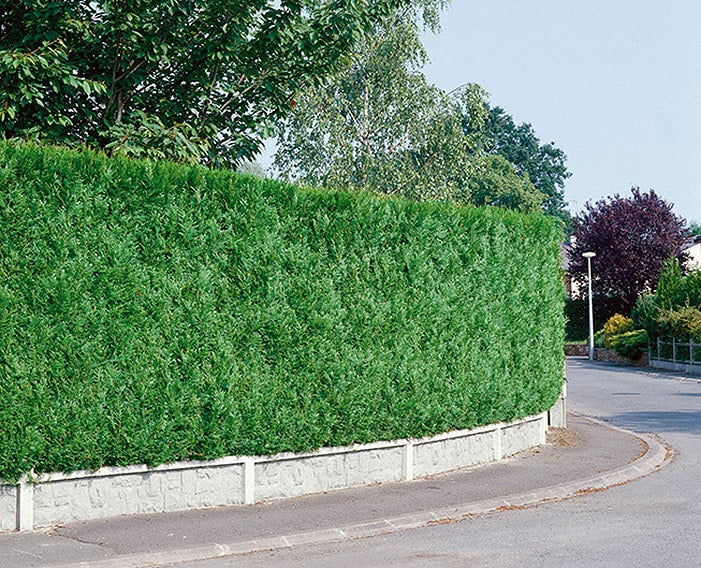
- A flowering hedge or screen — plant Gabe and Jules alternating for a productive, beautiful hedge
- A specimen shrub — the spring bloom makes it a standout in any landscape
- A wildlife garden anchor — flowers feed early pollinators; fruit feeds birds and mammals
- A windbreak component — dense branching provides good wind protection
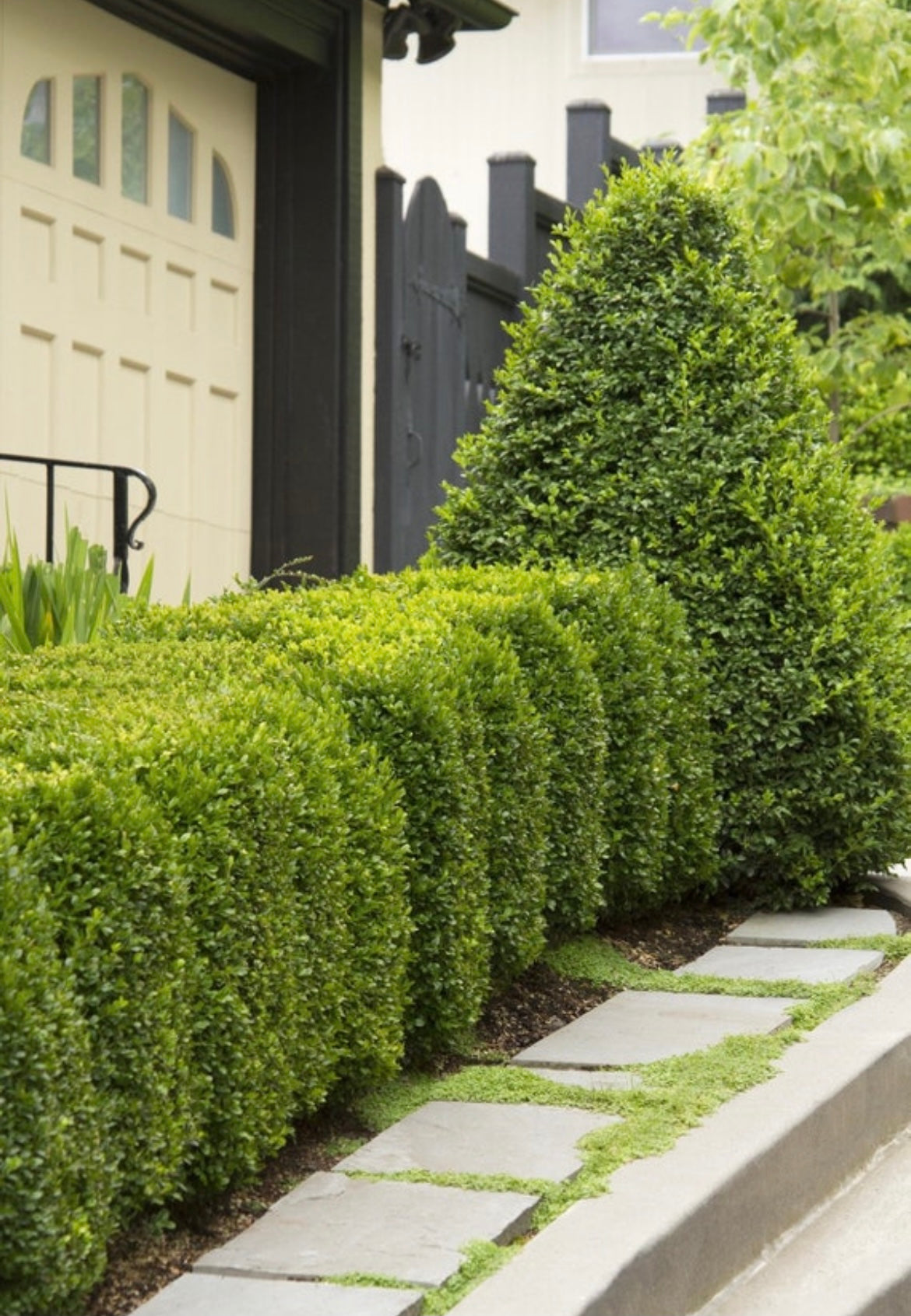
- A foundation planting — the 6–8 foot size is appropriate for most foundation settings

📚 Related: Building a wildlife-friendly yard? See our Serviceberry for Wildlife guide →
Frequently Asked Questions
Do Nanking cherries need a pollinator?
Nanking cherry is partially self-fertile — a single plant will produce some fruit. However, cross-pollination between two varieties dramatically improves fruit set and yield. Planting Gabe and Jules together is strongly recommended for maximum production.
How fast does Nanking cherry grow?
Nanking cherry is a fast grower — it can put on 2–3 feet of growth per year under good conditions and reaches full size in 3–4 years. It begins fruiting by year 2–3, making it one of the fastest-producing fruiting shrubs available.
Is Nanking cherry invasive?
Nanking cherry can spread by seed in some regions — birds eat the fruit and deposit seeds. It’s not considered invasive in most of the US, but check your local invasive species list if you’re in the Pacific Northwest or other regions where it may spread more aggressively. Named varieties like Gabe and Jules are selected cultivars that are generally less aggressive than wild-type plants.
Can I eat Nanking cherries raw?
Yes — Nanking cherries are edible fresh off the bush. They’re tart-sweet with an intense cherry flavor. Most people find them best when fully ripe (deep red) and enjoy them fresh, though the small size and pit make them less convenient than larger sweet cherries. They’re most commonly used for jam, jelly, and syrup.
How long do Nanking cherry plants live?
Nanking cherry typically lives 15–25 years. It’s not as long-lived as some fruiting trees, but it grows and produces so quickly that it delivers excellent value over its lifespan. Older plants can be rejuvenated by cutting them back hard in late winter, which stimulates vigorous new growth from the base.
🍒 Ready to grow your own Nanking cherries?
Both Gabe and Jules ship directly to your door. Plant both for cross-pollination and maximum fruit production — your first harvest could be as soon as next summer.