Serviceberry is one of the most underrated trees you can plant in a Midwest yard. It's beautiful enough to anchor a landscape as a specimen ornamental, productive enough to feed your family and every bird in the neighborhood, and tough enough to thrive in the challenging conditions — clay soil, cold winters, spring frosts — that define Midwest gardening. If you've never grown a serviceberry, this guide will show you exactly why it deserves a spot in your yard.
Planting Serviceberry Trees in Naperville: Best Practices
Serviceberry trees thrive in Naperville's climate and soil conditions common to the Midwest. Choose a sunny location with well-drained soil, allowing 10–15 feet spacing for Downy Serviceberry or 6–10 feet for Saskatoon. Planting in early spring or fall is ideal. Follow proper planting steps: dig a wide, shallow hole, position the root flare just above soil level, and mulch without piling against the trunk. Water deeply after planting and maintain regular watering during the first growing season for optimal growth.
What Is a Serviceberry Tree?
Serviceberry (Amelanchier) is a genus of native North American trees and shrubs that have been valued for centuries — by Indigenous peoples who dried the berries for pemmican, by early settlers who used the spring bloom to mark when the ground thawed enough to bury the dead (hence "serviceberry" — the time for burial services), and today by gardeners who prize them as one of the finest four-season landscape plants available.
Serviceberries are sometimes called Juneberry (for when the fruit ripens), Shadbush (because they bloom when shad fish run upstream), or Saskatoon (the western species). Whatever you call them, they offer something almost no other plant can match: spectacular spring flowers, delicious early summer fruit, beautiful summer foliage, brilliant fall color, and attractive winter bark — four full seasons of interest from a single plant.
Serviceberry: Four Seasons of Beauty
Spring: The First Flowering Tree of the Season

Serviceberry is one of the first trees to bloom in spring — the delicate white flowers appear in April, often before the leaves fully emerge, covering the entire tree in a cloud of white that's one of the most beautiful spring displays in the native plant world. The flowers are an extremely important early nectar and pollen source for queen bumblebees, native bees, and early butterflies emerging from winter dormancy when few other flowers are available. Serviceberry's role supporting wildlife is central to its value, so be sure to consider serviceberry for wildlife benefits as well.
Early Summer: The First Fruit of the Season

In June — earlier than almost any other fruit — the berries ripen from red to deep purple-blue. The flavor is remarkable: a complex blend of blueberry, cherry, and almond that's unlike anything else you can grow in a temperate climate. The berries are excellent for fresh eating, pies, jams, jellies, wine, and syrup. They also freeze beautifully, making them easy to preserve for year-round use.
The berries are also one of the most important early summer food sources for migrating birds. Cedar waxwings, robins, catbirds, thrushes, and dozens of other species descend on serviceberries in June — so plant more than one if you want to share the harvest with wildlife.
Summer: Attractive Foliage and Wildlife Habitat
After fruiting, serviceberry settles into a beautiful summer presence — the oval, finely toothed leaves are a clean, attractive green that provides a pleasant backdrop for other plants. The multi-stem form creates excellent nesting habitat for songbirds, and the dense branching provides cover for wildlife through the summer months.
Fall: Brilliant Orange-Red Color

Serviceberry delivers some of the best fall color of any native small tree — the leaves turn brilliant shades of orange, red, and yellow in October, rivaling the best ornamental trees. The multi-stem form means the color display is full and lush from every angle.
Winter: Smooth Gray Bark and Persistent Structure
In winter, the smooth, gray-striped bark of serviceberry provides elegant structure and visual interest. The multi-stem form creates a beautiful silhouette against snow, and any remaining dried fruit provides emergency food for birds during the coldest months.
Downy Serviceberry vs. Saskatoon Serviceberry: Which Should You Plant?
We carry two serviceberry species, each with distinct characteristics and best uses. Here's how to choose: To help you decide which species suits your garden best, this guide explains the differences between downy and Saskatoon serviceberry trees and what each serviceberry species comparison guide offers.
Downy Serviceberry (Amelanchier arborea) — The Native Midwest Landscape Tree

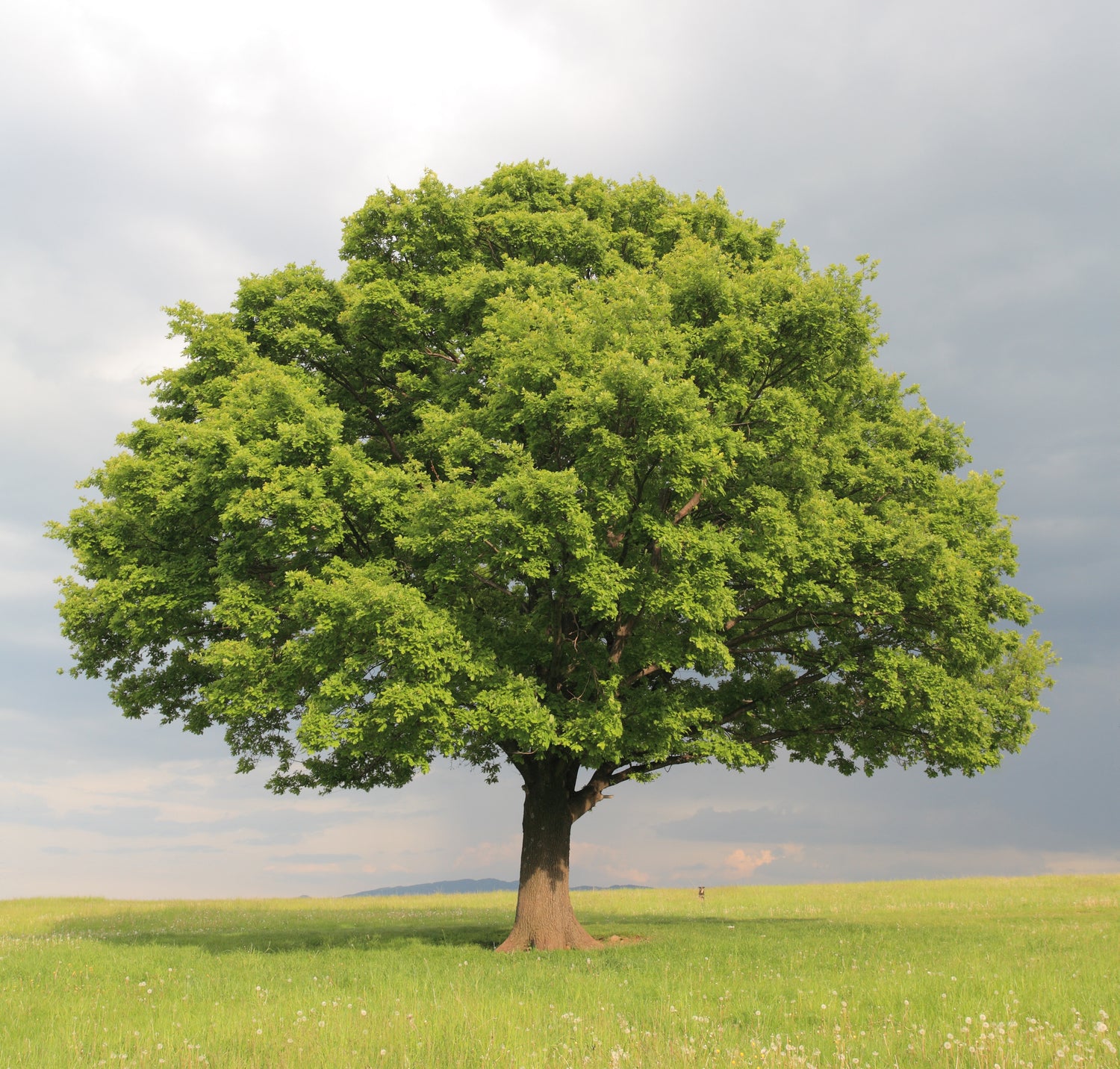
Downy Serviceberry is the native Midwest species — the serviceberry of the eastern woodlands, river edges, and forest margins from Missouri to Minnesota. It grows as a large multi-stem shrub or small tree reaching 15–25 feet tall, with a graceful, open form that works beautifully as a specimen, understory tree, or naturalized planting. The "downy" name refers to the soft, fuzzy new leaves that emerge with the spring flowers.
- Height: 15–25 feet tall, 10–15 feet wide
- Form: Multi-stem large shrub or small tree, graceful open canopy
- Fruit: Sweet, blueberry-cherry flavor, ripens June
- Fall color: Brilliant orange-red
- Hardiness: Zones 3–9
- Best for: Specimen tree, understory planting, naturalized areas, edible landscape
- Soil: Adaptable — tolerates clay, loam, and sandy soils; prefers moist, well-drained
- Sun: Full sun to partial shade
Saskatoon Serviceberry (Amelanchier alnifolia) — The Western Berry Producer

Saskatoon Serviceberry is the western North American species — the serviceberry of the Canadian prairies and Great Plains, where it has been a staple food plant for Indigenous peoples for thousands of years. The city of Saskatoon, Saskatchewan is named after this plant. Compared to Downy Serviceberry, Saskatoon is more compact, more drought-tolerant, and produces larger, sweeter berries with a more pronounced almond-like flavor — making it the preferred choice for dedicated fruit production.

- Height: 6–15 feet tall, 6–10 feet wide
- Form: Compact multi-stem shrub, more upright than Downy
- Fruit: Larger, sweeter berries with pronounced almond flavor, ripens June
- Fall color: Orange-red, similar to Downy
- Hardiness: Zones 2–6 (more cold-hardy than Downy)
- Best for: Fruit production, smaller yards, prairie-style plantings, edible hedges
- Soil: More drought-tolerant than Downy; handles drier, sandier soils
- Sun: Full sun preferred for best fruit production
✅ Shop Saskatoon Serviceberry →
Side-by-Side Comparison
| Feature | Downy Serviceberry | Saskatoon Serviceberry |
|---|---|---|
| Mature Height | 15–25 ft | 6–15 ft |
| Hardiness Zone | Zones 3–9 | Zones 2–6 |
| Berry Size | Medium | Larger |
| Berry Flavor | Blueberry-cherry | Sweet, almond notes |
| Drought Tolerance | Moderate | High |
| Best Use | Specimen tree, naturalized | Fruit production, hedges |
| Native Range | Eastern Midwest | Western prairies/Canada |
Our recommendation: Plant both! Downy Serviceberry as a specimen landscape tree and Saskatoon Serviceberry in a row for maximum fruit production. They bloom at the same time and cross-pollinate, improving yields on both.
How to Plant a Serviceberry Tree
Choosing the Right Location
- Sun: Full sun (6+ hours) produces the most flowers and fruit. Serviceberry also tolerates partial shade (3–6 hours) and is one of the few fruiting plants that performs reasonably well in shadier conditions — though fruit production decreases in shade.
- Soil: Serviceberry is adaptable to a wide range of soils — clay, loam, and sandy soils all work. It prefers moist, well-drained soil but tolerates periodic wet conditions better than most fruit trees. Avoid permanently waterlogged sites.
- Space: Allow 10–15 feet of space for Downy Serviceberry and 6–10 feet for Saskatoon. Plant multiple trees 6–8 feet apart for a productive hedge or screen.
Step-by-Step Planting Instructions
- Dig the hole. Make the planting hole 2–3 times wider than the root ball but no deeper. The top of the root ball should sit at or slightly above the surrounding soil level.
- Remove the container. Gently remove the tree from its container. If the roots are circling, loosen them gently with your fingers or make 3–4 vertical cuts with a knife.
- Set the tree. Place the tree in the center of the hole. Check that the root flare (where the trunk widens at the base) is at or just above soil level — never bury the root flare.
- Backfill. Fill the hole with the original soil. Do not amend with compost or fertilizer — this can discourage roots from spreading into the surrounding soil.
- Water thoroughly. Water deeply immediately after planting to settle the soil and eliminate air pockets.
- Mulch. Apply a 3–4 inch ring of wood chip mulch extending 2–3 feet from the trunk in all directions. Keep mulch 2–3 inches away from the trunk itself — never pile mulch against the bark. Read our full guide on proper mulching technique.
Serviceberry Care Guide
Watering
Water deeply 2–3 times per week for the first growing season. Deep, infrequent watering encourages deep root development. In year two, reduce to once per week during dry periods. By year three, established serviceberries are largely self-sufficient and only need supplemental watering during extended droughts.
Fertilizing
Serviceberry generally does not need fertilizing in average garden soil. If growth seems slow or leaves are pale, apply a balanced slow-release fertilizer (10-10-10) in early spring. Avoid high-nitrogen fertilizers that promote leafy growth at the expense of fruit production.
Pruning
Serviceberry requires minimal pruning. The best time to prune is late winter or early spring before new growth begins. Remove any dead, damaged, or crossing branches. To maintain a tree form, remove suckers from the base as they appear. To maintain a multi-stem shrub form, allow suckers to develop and remove the oldest stems every few years to encourage vigorous new growth.
Pests and Diseases
Serviceberry is generally pest and disease resistant. The most common issues are:
- Cedar-apple rust: Orange, gelatinous growths on leaves in wet springs. Rarely serious. Improve air circulation with pruning.
- Fire blight: Bacterial disease causing blackened, "burned" branch tips. Prune affected branches 12 inches below visible symptoms and sterilize pruning tools between cuts.
- Birds: The biggest "pest" — birds will eat the berries as fast as they ripen. Use bird netting if you want to harvest the fruit yourself, or plant extra trees and share the bounty.
Harvesting Serviceberries
Serviceberries ripen in June — usually over a 2–3 week period. The berries are ready to harvest when they turn deep purple-blue and come off the branch easily with a gentle tug. Taste-test as you go — fully ripe serviceberries are noticeably sweeter than slightly underripe ones.
Harvest by hand or by spreading a sheet under the tree and gently shaking the branches. Fresh serviceberries keep in the refrigerator for 1–2 weeks and freeze beautifully for up to a year.
What to Make with Serviceberries
- Fresh eating: Eat straight off the bush — the flavor is best at peak ripeness
- Serviceberry pie: Use like blueberries in any pie recipe
- Serviceberry jam and jelly: The natural pectin makes excellent preserves
- Serviceberry syrup: Excellent on pancakes and waffles
- Serviceberry wine: A traditional use dating back centuries
- Dried serviceberries: Dry like raisins for trail mix and baking
Serviceberry Wildlife Value
Few plants offer the wildlife value of serviceberry. Here's what you're supporting when you plant one:
- Early spring pollinators: The early flowers are a critical food source for queen bumblebees, native bees, and early butterflies when few other flowers are available
- Nesting birds: The dense multi-stem form provides excellent nesting habitat for robins, catbirds, thrushes, and other songbirds
- Migrating birds: The June fruit is a critical fuel source for migrating birds — cedar waxwings, robins, thrushes, and over 30 other species
- Resident birds: Any remaining fruit feeds year-round residents through summer
- Native caterpillars: Serviceberry is a larval host for several native butterfly and moth species, supporting the food web for nesting birds
Serviceberry in the Landscape
Serviceberry is one of the most versatile landscape plants available. Here are the best ways to use it:
- Specimen tree: Plant a single Downy Serviceberry as a focal point in the lawn or garden — the four-season interest makes it one of the best specimen trees available
- Understory tree: Serviceberry thrives in the partial shade under larger trees, making it excellent for woodland gardens and naturalized areas
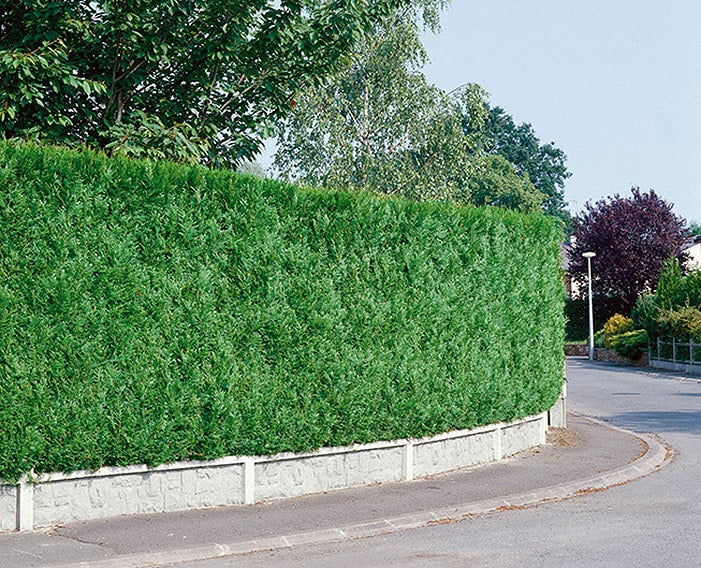
- Edible hedge: Plant Saskatoon Serviceberry 4–6 feet apart in a row for a productive, beautiful edible hedge that provides privacy, flowers, fruit, and fall color
- Rain garden: Serviceberry tolerates periodic wet conditions, making it an excellent choice for rain gardens and low-lying areas
- Native plant garden: Serviceberry is a keystone native plant that anchors a wildlife-friendly native plant garden
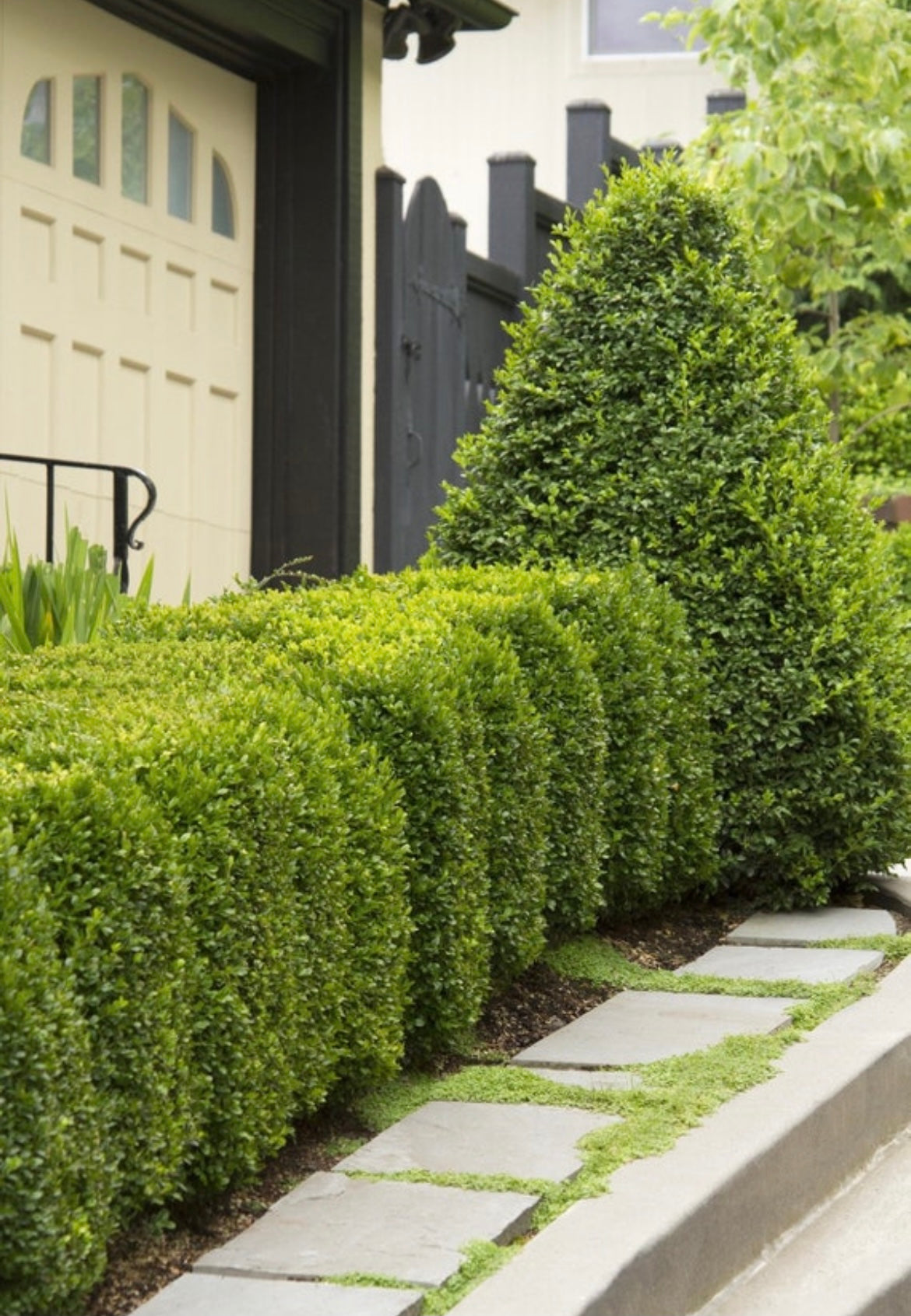
- Foundation planting: Saskatoon Serviceberry's compact form works well in foundation plantings where a larger tree would overwhelm the space
🌳 Ready to plant a serviceberry?
Both our Downy and Saskatoon Serviceberry ship directly to your door — ready to plant and start producing flowers, fruit, and fall color. Order yours today.
Frequently Asked Questions About Serviceberry
Do serviceberries need a pollinator?
Most serviceberry varieties are self-fertile and will produce fruit on their own. However, planting two or more trees — especially different species like Downy and Saskatoon — significantly increases fruit production through cross-pollination. If you have space for only one tree, you'll still get fruit, but two trees will produce noticeably more.
How fast do serviceberry trees grow?
Serviceberry grows at a moderate rate — typically 1–2 feet per year under good conditions. Downy Serviceberry grows slightly faster than Saskatoon. Expect meaningful fruit production by year 3–4 after planting, with full production by year 5–6.
When do serviceberries fruit?
Serviceberries ripen in June — typically mid-June in the Midwest, making them one of the earliest fruiting plants you can grow. The harvest window is 2–3 weeks. Saskatoon Serviceberry tends to ripen slightly earlier than Downy Serviceberry.
Are serviceberries deer resistant?
Serviceberry is not considered deer resistant — deer will browse the foliage and fruit. Protect young trees with tree tubes or fencing until they're established and large enough to withstand browsing pressure.
Can serviceberry grow in clay soil?
Yes — serviceberry is one of the most clay-tolerant fruiting plants available. It handles the heavy clay soils common throughout the Midwest far better than most fruit trees. Amend the planting hole with compost if your clay is extremely compacted, and ensure the site doesn't stay waterlogged for extended periods.
How tall does a serviceberry tree get?
Downy Serviceberry reaches 15–25 feet tall at maturity. Saskatoon Serviceberry is more compact at 6–15 feet. Both can be kept smaller with annual pruning if needed.