Honeyberry — also called haskap — is the most underrated edible shrub you can plant. It produces the earliest fruit of any berry plant, ripening in late May or early June before strawberries, before serviceberries, before anything else in the garden. The berries taste like a cross between a blueberry and a tart cherry, they’re loaded with antioxidants, and the plants are so cold-hardy they laugh at Zone 2 winters. If you’ve never grown honeyberry, this guide will show you exactly why it deserves a spot in every edible landscape. For a detailed look at how honeyberries compare to a familiar favorite, this Honeyberry vs. Blueberry comparison provides a thorough head-to-head on growth, care, and flavor.
What Is a Honeyberry (Haskap)?

Honeyberry (Lonicera caerulea) is a member of the honeysuckle family native to cold regions of Russia, Japan, and Canada. It’s been cultivated in Japan and Russia for centuries, but only recently gained popularity in North America — where it’s quickly earning a reputation as one of the most exciting new edible plants available.
“Haskap” is the Japanese name for the plant, derived from an Ainu word meaning “many berries on branches.” Both names — honeyberry and haskap — refer to the same plant. The elongated, dark blue-purple berries look like an oblong blueberry and ripen weeks before any other berry in the garden.
Why Honeyberry Is Special
- Earliest fruit of the season — ripens late May to early June, 2–3 weeks before strawberries in most climates
- Extreme cold hardiness — hardy to Zone 2 (-50°F); flowers survive frosts down to 20°F
- Exceptional nutrition — among the highest antioxidant content of any fruit, higher than blueberries
- Low maintenance — no serious pest or disease problems; deer resistant once established
- Long-lived — plants live 30–40+ years with minimal care
- Unique flavor — complex blend of blueberry, tart cherry, and elderberry

📚 Related: What Is a Haskap Berry? (And Why It’s Better Than Blueberries) →
Honeyberry Flavor: What Do They Taste Like?

Honeyberry flavor is complex and variety-dependent — but most people describe it as somewhere between a blueberry and a tart cherry, with hints of elderberry and grape. The flavor is more intense and less sweet than a blueberry, with a pleasant tartness that makes it excellent for fresh eating and outstanding for jams, pies, and wine.
Modern varieties like Aurora, Tundra, and Indigo Treat have been specifically bred for improved sweetness and flavor. These are genuinely delicious fresh-eating berries — not just a novelty.
- Aurora: Sweet, mild, blueberry-like — the sweetest of the three; excellent for fresh eating
- Tundra: Sweet-tart balance, complex flavor; excellent fresh and for processing
- Indigo Treat: Rich, full-flavored, slightly tart; outstanding for jams and baking
Our Three Honeyberry Varieties
Honeyberry ‘Aurora’ — The Sweetest Haskap

Aurora is a University of Saskatchewan release and one of the most popular haskap varieties in North America. Large, sweet berries with a mild blueberry-forward flavor — the top choice for fresh eating. Mid-to-late ripening variety that extends your harvest window when planted with Tundra. Grows 5–6 feet tall. Hardy in Zones 2–7.

Honeyberry ‘Tundra’ — The Best All-Around Haskap

Tundra is widely considered the best all-around haskap for home gardens — early ripening, excellent sweet-tart flavor, and reliable heavy crops. The ideal cross-pollinator for Aurora. Grows 4–5 feet tall. Hardy in Zones 2–7.

Honeyberry ‘Indigo Treat’ — The Largest Berries

Indigo Treat (University of Oregon Indigo Series) produces the largest berries of the three — nearly blueberry-sized — with a rich, full flavor that’s outstanding for jams, pies, and wine. Mid-season ripening. Grows 4–5 feet tall. Hardy in Zones 3–7.

✅ Shop Honeyberry ‘Indigo Treat’ →

📚 Related: Aurora vs. Tundra vs. Indigo Treat: Which Honeyberry Should You Plant? →
The #1 Rule: You Must Plant Two Varieties

This is the most important thing to know about honeyberry: they are not self-fertile. A single honeyberry plant will produce little to no fruit. You must plant at least two different varieties for cross-pollination. All three of our varieties — Aurora, Tundra, and Indigo Treat — are compatible cross-pollinators. Plant them within 6–8 feet of each other for best results.
Best starter combination: Tundra + Aurora — early + mid-late ripening, complementary flavors, proven cross-pollination. Add Indigo Treat for the largest berries and longest harvest window.
Variety Comparison Table
| Feature | Aurora | Tundra | Indigo Treat |
|---|---|---|---|
| Ripening | Mid-late | Early | Mid |
| Berry Size | Large | Medium-large | Very large |
| Flavor | Sweet, mild | Sweet-tart | Rich, full |
| Height | 5–6 ft | 4–5 ft | 4–5 ft |
| Zones | 2–7 | 2–7 | 3–7 |
How to Plant Honeyberry
Site Selection
- Sun: Full sun (6+ hours) for best yields. Tolerates partial shade but fruit production drops.
- Soil: Adaptable — clay, loam, sandy soils all work. Prefers pH 5.5–7.0, far more flexible than blueberries. Good drainage essential.
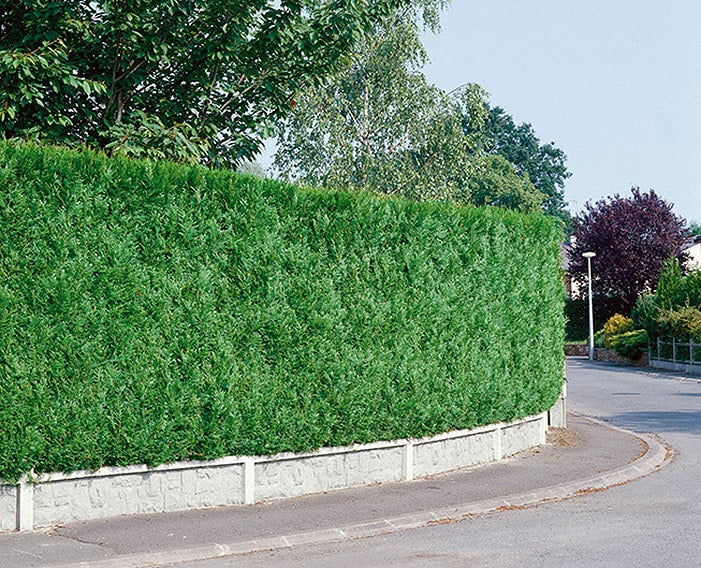
- Spacing: 4–6 feet apart within rows; 8–10 feet between rows. For a hedge, plant 3–4 feet apart.
- Avoid south-facing slopes in warm climates — early bloom can be damaged by late frosts if the plant breaks dormancy too early.
Planting Steps
- Dig the hole 2–3x wider than the root ball, no deeper.
- Set the plant so the root crown sits at or just above soil level.
- Backfill with original soil — no amendments needed in average soil.
- Water thoroughly immediately after planting.
- Mulch with 3–4 inches of wood chips or straw, keeping mulch 2 inches away from stems.

📚 Related: How to Plant a Tree: Step-by-Step Guide →
Honeyberry Care Guide
Watering
Water deeply 2–3 times per week during the first growing season. Honeyberry prefers consistently moist soil — more drought-sensitive than many berry plants. Mulching dramatically reduces watering needs. Once established (year 2+), water during extended dry periods especially during fruit development.
Fertilizing
Light feeder. Apply balanced slow-release fertilizer (10-10-10) in early spring as buds swell — ¼ cup per young plant, up to ½ cup for mature plants. Avoid high-nitrogen fertilizers and do not fertilize after July.
Pruning
Minimal pruning for the first 3–4 years — let the plant establish its framework. After year 4, prune in late winter or early spring before bud break: remove dead/damaged/crossing branches, remove the oldest darkest stems at the base, and never remove more than one-third of the plant per year. Never prune in fall.
Pests & Diseases
Remarkably pest and disease resistant — no root rot, mummy berry, or the diseases that plague blueberries. Main challenges: birds (use netting as berries color), occasional aphids (knock off with water spray), and powdery mildew in humid conditions (improve air circulation).
When Do Honeyberries Ripen?

Honeyberry is the earliest fruiting berry you can grow — ripening 2–3 weeks before strawberries. General timeline by zone:
- Zones 7–8: Mid to late May
- Zones 5–6: Late May to early June
- Zones 3–4: Early to mid June
- Zones 2–3: Mid to late June
Harvest window per plant is 1–2 weeks. With Tundra + Aurora + Indigo Treat, you can extend total harvest to 3–4 weeks. Berries are ready when deep blue-purple all the way through — cut one open to check the flesh is purple, not green or white.
Honeyberry vs. Blueberry

| Feature | Honeyberry | Blueberry |
|---|---|---|
| Ripening | Late May – June | July – August |
| Cold Hardiness | Zone 2 (-50°F) | Zone 4–5 (most) |
| Soil pH | 5.5–7.0 (flexible) | 4.5–5.5 (very acidic) |
| Disease Resistance | Excellent | Moderate |
| Antioxidants | Higher than blueberry | High |
| Self-Fertile? | No — needs 2 varieties | Partially |
Grow both — honeyberry for the earliest harvest, blueberry for midsummer. Together you get fresh berries from late May through August.

📚 Related: How to Grow Berry Plants: Blueberries, Blackberries, Honeyberries & More →
Frequently Asked Questions
How many honeyberry plants do I need?
At minimum two different varieties. For meaningful harvests, we recommend one each of Aurora, Tundra, and Indigo Treat — cross-pollination, extended harvest window, and enough fruit to eat fresh and preserve.
Can honeyberry grow in clay soil?
Yes — far more tolerant of clay than blueberries. Ensure the site doesn’t stay waterlogged and mulch heavily to improve soil structure over time.
Are honeyberries deer resistant?
Moderately deer resistant once established. Protect young plants with fencing or tree tubes until established.
How long do honeyberry plants live?
30–40+ years with minimal care — a true long-term investment. Production increases for the first decade and remains strong for decades after.
How much fruit can I expect?
- Year 1–2: Little to no fruit — establishing
- Year 3: First meaningful harvest — 1–2 lbs per plant
- Year 4–5: 3–6 lbs per plant
- Year 6+: 5–15 lbs per plant
🍓 Ready to grow the earliest berry of the season?
All three honeyberry varieties ship directly to your door. Plant two or more for cross-pollination and your first harvest next June.