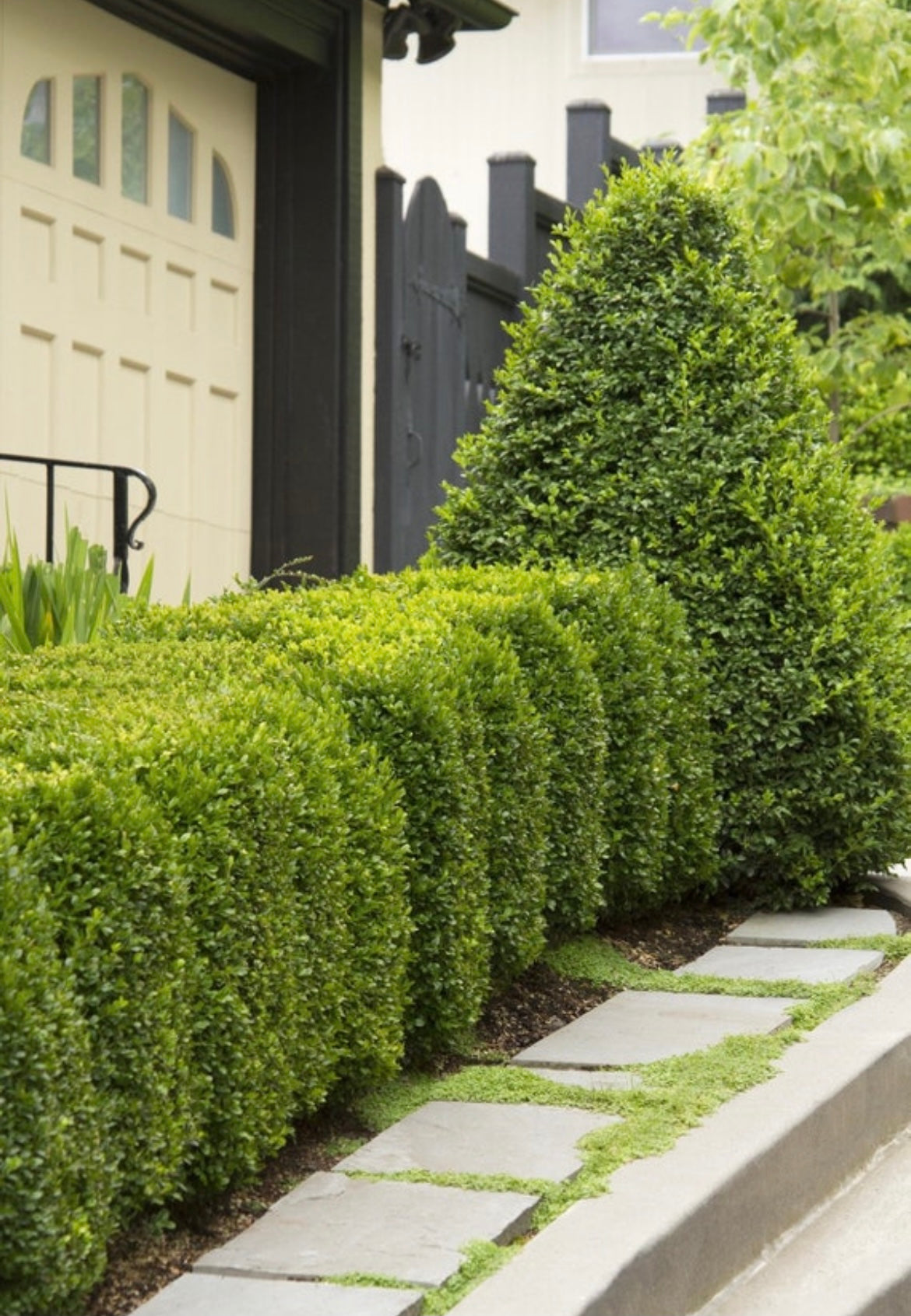
Shrubs are the backbone of a great Midwest landscape. They fill the space between ground-level perennials and canopy trees, provide structure and privacy, deliver flowers and berries across multiple seasons, and — when chosen well — require almost no maintenance once established. The right shrubs can transform a bare yard into a layered, beautiful, wildlife-rich landscape that looks great year-round. In addition to shrubs, the right flowering trees and shrubs can extend seasonal interest and add color, making your landscape even more vibrant with flowering trees and shrubs for the Midwest.
This guide covers the best shrubs and bushes for the Midwest — a mix of native powerhouses and proven ornamentals that thrive in Midwest soils and climate. Every plant ships directly from our nursery.
What Makes a Great Midwest Shrub?
The best Midwest shrubs check most of these boxes:
- Cold hardiness — survives Zone 4–5 winters without dieback
- Adaptable to clay soil — most Midwest soils are heavy clay
- Multiple seasons of interest — flowers, berries, fall color, or interesting bark
- Low maintenance once established — no constant pruning or spraying needed
- Wildlife value — provides food or habitat for birds, bees, or butterflies
Native Shrubs for the Midwest
Native shrubs are the highest-impact choice for Midwest landscapes. They're adapted to local soils and climate, support native insects and birds, and largely take care of themselves once established. Choosing native plants like these plays a crucial role in supporting local wildlife, as detailed in our guide to native plants for Midwest wildlife gardens.
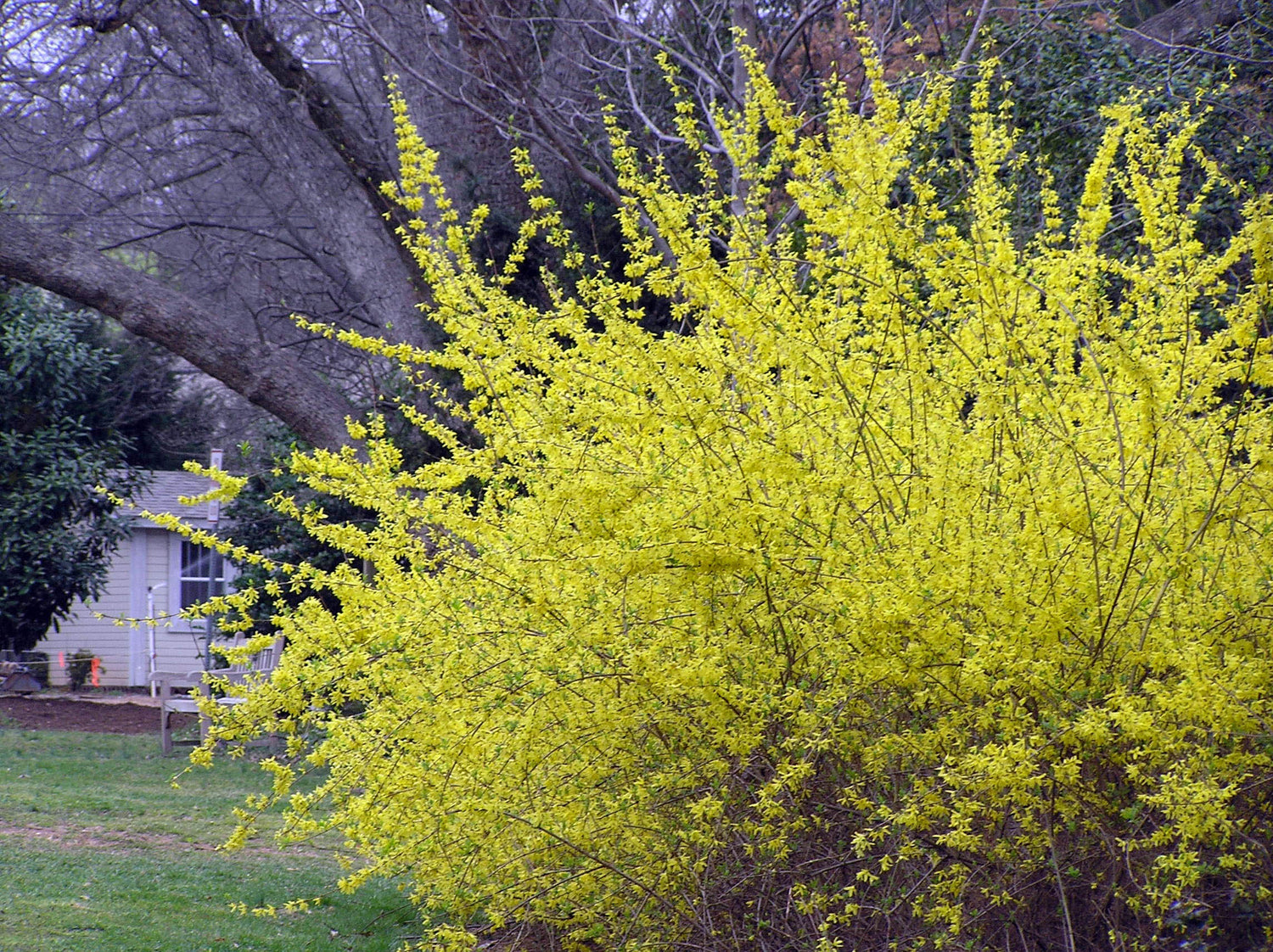
Forsythia — The First Flower of Spring

Forsythia is the herald of spring in the Midwest — bright yellow flowers explode on bare branches in March or April, often before the snow has fully melted, announcing the end of winter with unmistakable enthusiasm. It's one of the most cold-hardy and reliable flowering shrubs available, blooming dependably every year regardless of the severity of the previous winter.

Forsythia grows fast — 6–8 feet tall and wide — and is extremely low maintenance. It tolerates clay soil, partial shade, and urban conditions well. Use it as a specimen plant, a hedge, or a mass planting for a dramatic spring display. Hardy in Zones 4–8. Our Forsythia is the most reliable early-spring flowering shrub for Midwest landscapes.
American Elderberry — The Native Shrub That Does Everything

American Elderberry is one of the most ecologically productive native shrubs in the Midwest. The massive flat-topped white flower clusters in early summer are a pollinator magnet — attracting native bees, bumblebees, beetles, flies, and butterflies simultaneously. The dark purple berries that follow in late summer feed over 50 bird species and are prized by humans for elderberry syrup, wine, and jam.

Elderberry grows fast — 6–10 feet in just a few years — tolerates wet soils and partial shade, and produces its first meaningful berry crop in year two. Plant two or more for best pollination and yields. Hardy in Zones 3–9. Our American Elderberry is the highest-impact native shrub you can plant for wildlife and human use.
Witch Hazel — The Native Shrub That Blooms in Winter

Witch Hazel is in a category of its own — it blooms in late fall and early winter with spidery yellow flowers on bare branches when everything else in the landscape is dormant. It's the last flower of the season and the first of the next, filling a unique niche: something beautiful to look at in November and December when everything else is bare and gray.

The golden fall color is excellent, and the interesting branching structure provides winter silhouette interest. Grows 10–15 feet tall. Hardy in Zones 3–8. Our Witch Hazel is the most unique native shrub — it blooms when nothing else does.
Ninebark — The Most Adaptable Native Shrub

Ninebark is one of the most adaptable native shrubs in the Midwest — growing naturally on stream banks, rocky slopes, and woodland edges across the region, handling wet clay, dry rocky soil, deep shade, and full sun with equal ease. In late spring it produces clusters of white-pink flowers that attract native bees and beneficial insects. The seed clusters feed birds through fall and winter. The exfoliating, peeling bark provides winter interest and overwintering habitat for beneficial insects.

Grows 6–8 feet tall with graceful, arching branches. Hardy to Zone 2 — one of the most cold-hardy native shrubs available. Our Ninebark is the most adaptable native shrub for difficult Midwest conditions.
Washington Hawthorn — Four-Season Native Powerhouse

Washington Hawthorn delivers something beautiful in every season. White flower clusters in late spring. Dense green foliage and developing red berries in summer. Brilliant orange-red to scarlet fall color. And then the real show: bright red berries that persist through winter, feeding cedar waxwings, robins, and bluebirds when food is scarce. The thorny branches also make it an excellent security planting and a predator-proof nesting fortress for songbirds.

Grows 20–25 feet tall. Hardy in Zones 4–8. Our Washington Hawthorn Tree is the most complete four-season native shrub we carry.
Serviceberry — Four Seasons of Native Beauty

Serviceberry delivers four seasons of beauty and ecological value. White spring flowers provide critical early nectar for pollinators. Sweet summer berries attract birds and can be eaten by humans. Brilliant orange-red fall color rivals any maple. Attractive smooth gray bark provides winter interest. It's genuinely a four-season plant that earns its space every single month of the year.

Grows 15–25 feet tall — works beautifully as a large shrub or small multi-stem tree. Adapts well to partial shade and a range of soil conditions. Hardy in Zones 3–9. Our Serviceberry is the best all-around native shrub for Midwest yards.
White Fringe Tree — The Most Spectacular Native Flowering Shrub

White Fringe Tree is one of the most underused and most spectacular native shrubs available for Midwest landscapes. In late spring it produces long, drooping clusters of feathery white flowers that cover the entire plant — the effect is like the shrub is draped in white lace. The fragrance is light and pleasant. Female plants produce dark blue berries in fall that birds love. It tolerates clay soil, partial shade, and urban conditions better than most flowering shrubs. Grows slowly to 12–20 feet tall. Hardy in Zones 3–9. Our White Fringe Tree is the most unique and spectacular native flowering shrub we carry.
How to Plant Shrubs in the Midwest
- Choose the right shrub for the right spot. Match the shrub's mature size, sun requirements, and soil preferences to your site before you plant.
- Dig wide, not deep. The planting hole should be 2–3 times wider than the root ball but no deeper. Set the root flare at or slightly above grade. Read our full planting guide for step-by-step instructions.
- Mulch generously. A 3–4 inch ring of mulch around the base (kept away from the stems) retains moisture, suppresses weeds, and dramatically improves establishment. Read our guide on proper mulching technique.
- Water consistently the first season. Newly planted shrubs need regular deep watering while establishing. Once established, most native shrubs need little to no supplemental irrigation.
- Prune at the right time. Spring-blooming shrubs (Forsythia, Serviceberry, Hawthorn) should be pruned immediately after flowering — never in fall or winter, which removes next year's flower buds.
Best Shrubs by Use
- Privacy screen or hedge: Forsythia, Ninebark, Elderberry
- Foundation planting: Ninebark, Witch Hazel, White Fringe Tree
- Wildlife habitat: Elderberry, Serviceberry, Washington Hawthorn, Ninebark
- Wet or clay soil: Elderberry, Ninebark, Serviceberry, Washington Hawthorn
- Partial shade: Serviceberry, Witch Hazel, Elderberry, White Fringe Tree
- Spring flowers: Forsythia, Serviceberry, Washington Hawthorn, White Fringe Tree, Ninebark
- Winter interest: Witch Hazel (flowers), Washington Hawthorn (berries), Ninebark (bark)
- Edible fruit: Elderberry, Serviceberry
🌿 Ready to find the perfect shrubs for your yard?
Every shrub in this guide ships directly to your door — ready to plant and start growing. Browse our full shrub collection and build the landscape you've been imagining.
Shop Shrubs & Bushes →