If you've noticed fewer birds, butterflies, and bees in your yard over the past few years, you're not imagining it. Habitat loss is real — and your yard can be part of the solution. Planting native trees, shrubs, and perennials is one of the single most impactful things you can do for local wildlife, and the best part is that native plants are also the easiest plants to grow. They evolved here. They know what they're doing. To get started, consider our best trees and shrubs tailored for Midwest wildlife that support birds, bees, and butterflies; you can find details in this best trees and shrubs for Midwest wildlife.
This guide covers the best native plants for Midwest wildlife gardens — trees, shrubs, and perennials that feed birds, support pollinators, and look beautiful doing it. Every plant on this list is available to ship directly from our nursery.
Why Native Plants Matter More Than You Think
Here's something most people don't realize: a single native oak tree can support over 500 species of caterpillars and moths. Those caterpillars are what baby birds eat — almost exclusively. Without native plants producing native insects, songbird populations collapse. It's a chain reaction that starts in your yard.
Non-native ornamental plants, no matter how pretty, often support almost zero native insects. A Bradford pear supports fewer than 5 species. A native Black Cherry supports over 450. The difference is staggering — and it's why what you plant genuinely matters.
The good news: native plants are also lower maintenance, more drought-tolerant, and better adapted to Midwest soils than most exotic ornamentals. You're not sacrificing beauty for ecology. You're getting both.
American Elderberry — The Ultimate Wildlife Shrub

If you could only plant one native shrub for wildlife, make it an American Elderberry. In early summer it produces massive flat-topped clusters of tiny white flowers that are a magnet for native bees, butterflies, and beneficial insects. By late summer those flowers become heavy clusters of dark purple berries that over 50 species of birds absolutely devour — including cedar waxwings, robins, bluebirds, and catbirds.
Elderberry grows fast (6–10 feet in just a few years), tolerates wet soils, and spreads naturally to form a productive thicket. It's also one of the most useful plants you can grow — the berries are prized for elderberry syrup, wine, and jam. Learn more about this incredible plant in our article on why every yard needs an American Elderberry.
Our American Elderberry is one of our most popular plants — and once you see it in action, you'll want more than one.
Hackberry — The #1 Wildlife Tree in the Midwest

Ask any wildlife biologist what the single best tree for Midwest wildlife is, and Hackberry comes up constantly. It supports over 40 species of birds with its small purple berries, hosts dozens of native butterfly and moth species as a larval host plant, and provides nesting habitat for everything from warblers to owls. It's a complete wildlife ecosystem in a single tree.
Hackberry is also one of the toughest trees you can plant — handling drought, flooding, clay soil, compacted ground, and urban pollution without complaint. It grows 40–60 feet tall with a broad, vase-shaped canopy. Hardy in Zones 2–9. Our Hackberry Tree is the definition of a plant that gives back far more than it asks for.
Serviceberry — The First Wildlife Buffet of Spring

Serviceberry is one of the most valuable native trees you can plant for migrating birds. It fruits in late May and early June — right when millions of songbirds are passing through the Midwest on their way north — providing a critical food source at exactly the right time. The berries are sweet and blueberry-like, and birds will strip a serviceberry clean in days. Understanding the unique benefits of serviceberry will help you see why this tree is a top choice for supporting migrating birds, as detailed further in our dedicated serviceberry benefits for wildlife.
Beyond the wildlife value, Serviceberry is a stunning ornamental tree. It blooms in early spring with clouds of white flowers, fruits in early summer, and turns brilliant orange-red in fall. It grows 15–25 feet tall and works beautifully as a specimen tree, woodland edge planting, or multi-stem clump. Hardy in Zones 3–9. Our Serviceberry is a four-season native that earns its place in any wildlife garden.
Black Cherry — The Most Important Native Tree for Birds

Black Cherry is one of the most ecologically important native trees in eastern North America. It supports over 450 species of caterpillars and moths — making it one of the top larval host plants on the continent — and its small dark cherries are eaten by over 70 species of birds including tanagers, grosbeaks, thrushes, and woodpeckers. If you want to attract a wide variety of songbirds, Black Cherry is essential.
It's a fast-growing native tree that reaches 50–80 feet tall, with attractive dark bark, fragrant white flower clusters in spring, and good fall color. It thrives in a wide range of soils and conditions. Hardy in Zones 3–9. Our Black Cherry Tree is one of the highest-impact plants you can add to a Midwest wildlife garden.
Eastern Redbud — The Native Pollinator Powerhouse

The Eastern Redbud is one of the most important early-spring food sources for native bees. It blooms in April — often before most other flowers are open — providing critical nectar for queen bumblebees emerging from hibernation and other early pollinators that desperately need food after a long winter. The flowers are also edible and have a pleasant, slightly sweet flavor.
As a native Midwest tree, Redbud also hosts several native butterfly species as a larval host plant. It grows 20–30 feet tall with a graceful, spreading canopy and stunning spring bloom display. Hardy in Zones 4–9. Our Redbud Tree is beautiful, native, and one of the best things you can do for early-season pollinators.
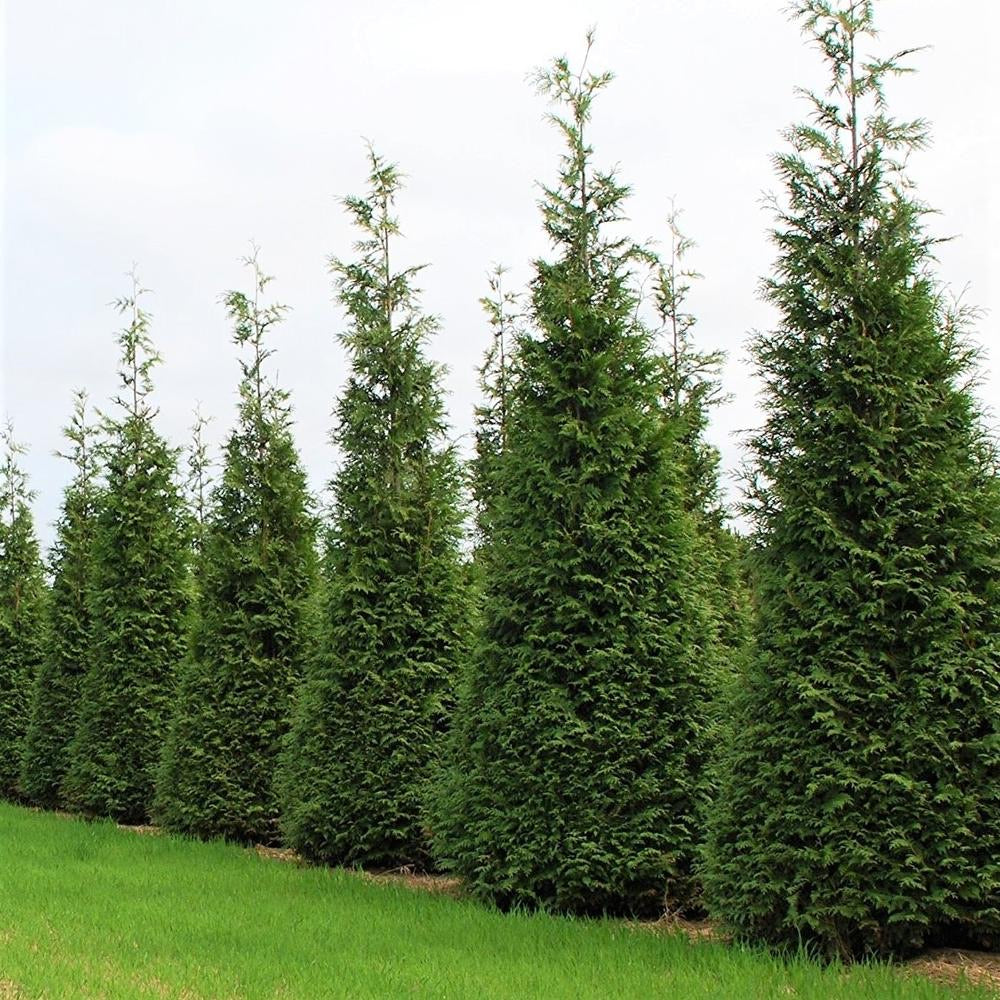
Eastern Red Cedar — The Native Evergreen Wildlife Hotel

Eastern Red Cedar is the native evergreen that wildlife depends on most in the Midwest. The dense branching provides critical winter shelter for birds — everything from sparrows and juncos to owls and hawks roost in Red Cedars during cold weather. The small blue berries are a primary food source for cedar waxwings (the bird is literally named after this tree) and over 50 other bird species.
It's also the larval host plant for the Juniper Hairstreak butterfly and several moth species. And it's one of the toughest, most adaptable native trees you can plant — thriving in poor soils, drought, and full sun with zero maintenance. Hardy in Zones 2–9. Our Eastern Red Cedar is a native wildlife essential that works hard year-round.
Black Gum — The Native Fall Superstar

Black Gum (Nyssa sylvatica) is a native Midwest tree that delivers on every front — stunning scarlet fall color that rivals any maple, small blue-black fruits that migrating birds feast on in fall, and excellent support for native bees through its late-summer flowers. It's one of the best trees for supporting fall migration, providing high-fat fruits at exactly the time birds need to fuel up for their journey south.
Black Gum grows 30–50 feet tall with a naturally beautiful, layered branching structure. It adapts to both wet and dry soils and is virtually pest and disease-free. Hardy in Zones 3–9. Our Black Gum Tree is a native gem that every serious wildlife gardener should have.
Witch Hazel — The Native Shrub That Blooms in Winter

Witch Hazel is one of the most unique native shrubs in the Midwest — it blooms in late fall and early winter, producing spidery yellow flowers on bare branches when everything else has gone dormant. Those late-season flowers provide a critical nectar source for any pollinators still active in warm spells during November and December.
Beyond the unusual bloom time, Witch Hazel is a beautiful large shrub or small tree that grows 10–15 feet tall with excellent fall color and interesting seed pods that explosively eject seeds up to 30 feet. It's also the source of the well-known natural astringent used in skincare. Hardy in Zones 3–8. Our Witch Hazel is a fascinating native plant that extends your garden's season of interest into winter.
Black Walnut — The Native Nut Tree Wildlife Magnet

The Black Walnut is a native Midwest giant that supports an enormous range of wildlife. Squirrels, deer, turkeys, and wood ducks all depend on the large, rich nuts. The tree also hosts over 100 species of native caterpillars and moths, making it a significant contributor to the insect food web that songbirds depend on.
Black Walnut grows 50–75 feet tall and is one of the most valuable timber trees in North America — a mature Black Walnut on your property is worth serious money. It does produce juglone, a natural chemical that inhibits some plants nearby, so site it thoughtfully away from vegetable gardens and sensitive ornamentals. Hardy in Zones 4–9. Our Black Walnut Tree is a long-term investment in both wildlife habitat and property value.
Black-Eyed Susan — The Native Perennial Every Pollinator Loves

No native wildlife garden is complete without Black-Eyed Susan. This cheerful native perennial blooms from mid-summer through fall with bright golden-yellow flowers that are absolutely irresistible to native bees, butterflies, and beneficial insects. The seed heads that follow are a favorite food source for goldfinches and other seed-eating birds through fall and winter — so leave them standing rather than cutting them back.
Black-Eyed Susan is incredibly easy to grow — it thrives in full sun, tolerates drought and poor soil, and spreads naturally to fill in bare spots. It's one of the best bang-for-your-buck native perennials you can plant. Hardy in Zones 3–9. Our Black-Eyed Susan is a native classic that blooms reliably every summer with zero fuss.
How to Build a Midwest Wildlife Garden from Scratch
You don't need a huge yard or a big budget to make a real difference for local wildlife. Here's a simple framework:
- Start with one native tree. A Hackberry, Serviceberry, or Redbud will immediately increase the wildlife value of your yard more than any other single planting.
- Add a native shrub layer. American Elderberry or Witch Hazel provide food, shelter, and nesting sites at a mid-level height.
- Fill in with native perennials. Black-Eyed Susan and other native wildflowers support pollinators and seed-eating birds at ground level.
- Leave some leaf litter. Native insects overwinter in fallen leaves. A tidy, raked yard is a wildlife desert. Leave the leaves under your trees and shrubs.
- Skip the pesticides. Insecticides kill the very insects your birds depend on. Native plants grown without chemicals are the foundation of a healthy wildlife garden.
Browse our full Food Trees & Plants collection, our Shrubs & Bushes collection, and our full plant catalog to find the perfect native plants for your Midwest wildlife garden.