If you've never heard of a haskap berry, you're not alone — and you're about to wonder how you've been gardening without one. These little deep-blue berries are sometimes called honeyberries, and they've been quietly growing in popularity among backyard gardeners, homesteaders, and health-conscious folks who want something more from their edible landscape than the same plants everyone else has.

We grow and ship haskap plants right here from our small family farm, and honestly? They're one of our favorite things we offer. Here's why.
What Exactly Is a Haskap Berry?
Haskap (Lonicera caerulea) is an edible berry shrub native to the boreal forests of Russia, Japan, and northern Canada. It goes by several names — haskap, honeyberry, edible honeysuckle — but they all refer to the same incredible plant. The berries are oblong, deep blue-purple, and absolutely packed with flavor and nutrition. For a thorough rundown of planting, care, and varieties, check out our detailed honeyberry planting and care guide.
The taste is hard to describe in just one word. Most people say it lands somewhere between a blueberry, a raspberry, and a black currant — sweet and rich with a pleasant tartness that makes your taste buds pay attention. It's complex in the best possible way.
Indigenous communities in northern regions have been eating haskaps for centuries. Western gardeners are only now starting to catch on.

Why Haskap Beats Blueberries (At Least in Several Key Ways)
We love blueberries too — we sell blueberry plants right alongside haskaps. But if we're being honest, the haskap has some real advantages that make it worth adding to your yard, especially if you've ever struggled with blueberries.
1. It Produces Fruit Years Earlier
Blueberries can take 4–6 years before they produce a meaningful harvest. Haskap plants often bear fruit in their second or third year. If you want to actually eat something from your investment sooner rather than later, haskap wins.
2. It's Hardy to Extremely Cold Temperatures
This is the big one. Blueberries struggle in zones colder than zone 4 and even within their range, a late spring frost can wipe out a year's harvest because they bloom late in spring when conditions are still unpredictable.
Haskap is a completely different story. The plants themselves are cold-hardy down to -40°F or colder. Even more impressively, the open flowers can survive temperatures down to around 20°F — meaning a late frost that would devastate your blueberries often won't even faze your haskaps. For anyone gardening in zones 2–6, this is a game changer.
This is why we recommend haskap to anyone looking at cold-climate fruit options — it's genuinely one of the most reliable fruiting shrubs you can plant in a cold zone.
3. It's One of the First Fruits to Ripen Each Season
Haskap ripens remarkably early — often before strawberries, usually well before any other berry on the property. If you're someone who lives for fresh fruit season and wants to extend it as long as possible, haskap fills a gap that nothing else really covers. You get fruit in late spring/early summer when almost nothing else is ready yet.
4. It's Lower Maintenance
Blueberries are notoriously picky about soil. They require very acidic conditions (pH 4.5–5.5), and if your soil isn't naturally acidic, you're looking at ongoing amendments, sulfur applications, and soil testing. Haskap is far more adaptable to average garden soil. It prefers well-drained ground and full sun but doesn't demand the chemistry project that blueberries do.
For a beginner gardener or someone who just wants a productive plant without a lot of fussing, haskap is a much more forgiving choice.
5. The Nutrition Is Outstanding
Both blueberries and haskaps are considered superfoods, but haskaps have a particularly impressive nutritional profile. They're extremely high in anthocyanins — the antioxidant compounds that give blue and purple foods their color and many of their health benefits. Some studies suggest haskap berries contain even more anthocyanins per gram than blueberries.

One Thing You Need to Know: Haskap Needs a Pollination Partner
Here's the main thing people miss when they first learn about haskaps: most varieties require cross-pollination to produce fruit. That means you generally need to plant at least two compatible varieties near each other.
The good news is we offer three varieties that work beautifully together:
- Aurora Haskap — known for large, sweet-tart berries and heavy production
- Tundra Haskap — an excellent mid-season pollinator with sweet, firm berries
- Indigo Treat Haskap — reliable and productive, pairs well with Aurora
A common pairing we recommend is Aurora + Tundra, or Aurora + Indigo Treat. Plant them within 50 feet of each other and let them do their thing. You'll be rewarded with an early, abundant crop year after year.
How to Use Haskap Berries
The culinary versatility of haskap is another reason to love it. Here are some of the most popular ways people use them:
Fresh eating — straight off the bush, they're incredible. Let them ripen fully for maximum sweetness. The flavor deepens as they get darker and slightly soft.
Jam and preserves — haskap makes a gorgeous, jewel-colored jam with a bold flavor that's unlike any store-bought berry preserve you've had.
Baking — drop them into muffins, scones, pies, and crisps exactly as you would blueberries. The flavor is more complex and the color is stunning.
Smoothies and juices — blend them with other fruits for a deep purple, antioxidant-rich drink.
Wine and mead — the high sugar and anthocyanin content makes haskap an excellent candidate for home fermentation. (And if you're into home brewing other things, check out our post on how to brew elderberry beer at home — the same spirit applies.)
Haskap Fits Perfectly Into an Edible Landscape
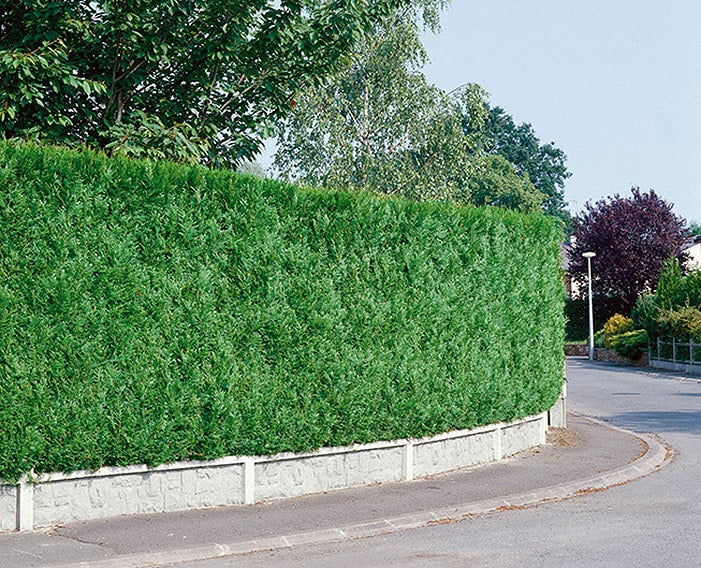
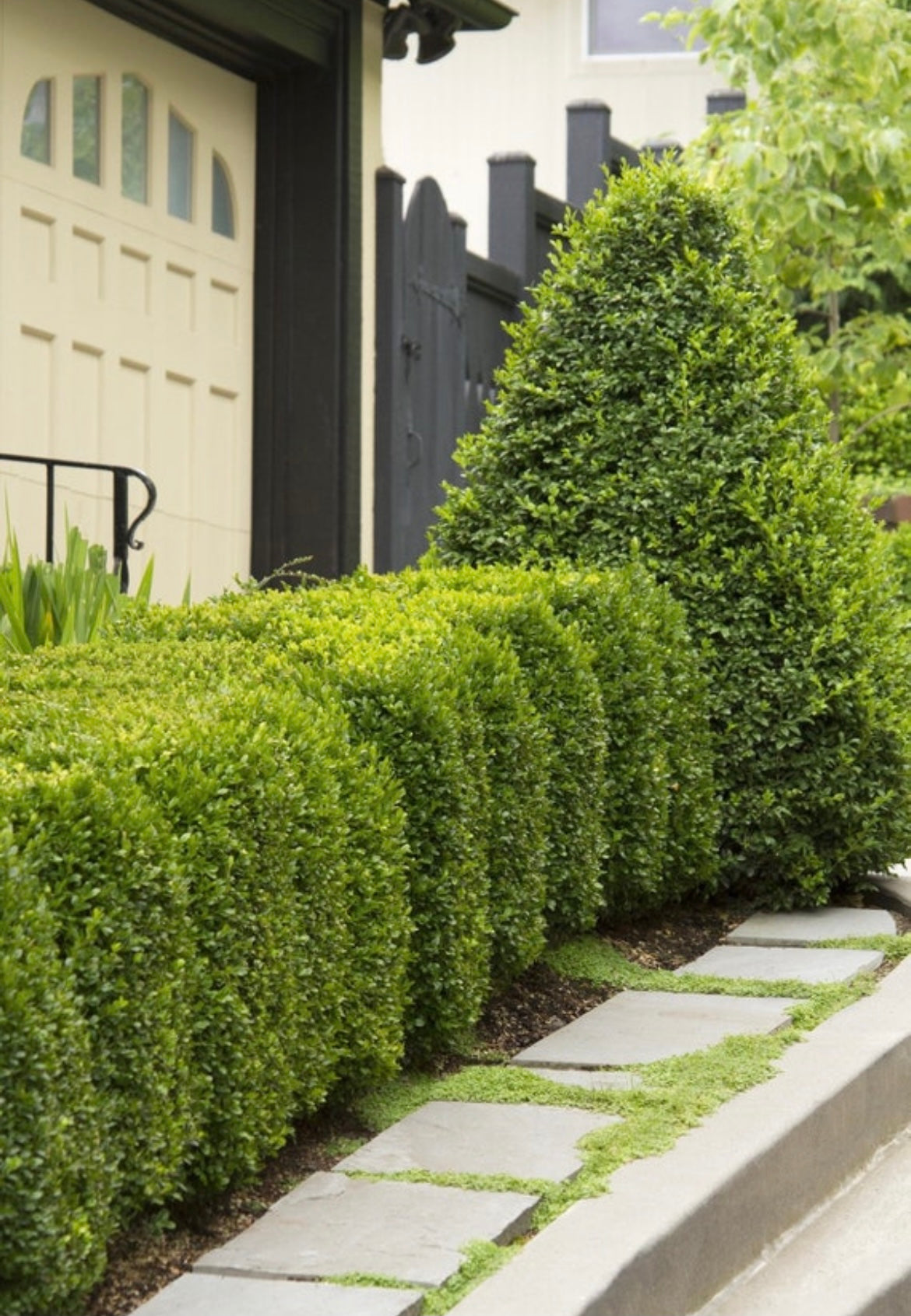
One of the best things about haskap is that it earns its place in the yard even beyond the fruit. The shrubs grow to about 4–6 feet tall and wide, have attractive foliage, and make a nice addition to a food forest or edible hedge. They work well planted alongside other fruiting shrubs like American elderberry, serviceberry, or blackberries to create a productive, wildlife-friendly landscape.
If you're building out a true food-producing yard, haskap should absolutely be part of it alongside grape vines, fruit trees, and berry bushes. We also sell blueberry plants if you want to add those too — haskap and blueberries actually make excellent companions since they ripen at different times, extending your fresh berry season significantly.

What Zones Can You Grow Haskap In?
Haskap thrives in zones 2–7, making it one of the most cold-hardy fruiting shrubs available. If you're in the northern half of the country and have struggled to find fruit plants that actually survive your winters, haskap was practically designed for you.
It does prefer cooler climates and adequate chill hours (cold winter time that the plant needs to set fruit properly). In zones 8 and above, haskap tends to struggle, so if you're in the deep south, it may not be the right fit. But for the majority of the US — especially those in the Midwest, Northeast, and mountain states — haskap is an outstanding choice.
Not sure what zone you're in? Check out our post on last frost dates across zones to get oriented with your local climate.
Ready to Grow Your Own?
We ship haskap plants right to your door from our small, state-licensed family farm in Missouri. Every plant is carefully grown and packed to arrive healthy and ready to establish in your garden.
We carry all three varieties — Aurora, Tundra, and Indigo Treat — and we recommend ordering at least two compatible varieties to ensure a great harvest. Have questions? Visit our FAQ page or reach out to us directly — we're a real family farm and we love helping people get started.
From our family to yours — happy growing. 🌱