If you've been thinking about planting fruit trees in the Midwest, you're not alone — and you're making one of the smartest landscaping decisions you can. There's nothing quite like walking out your back door and picking a ripe apple, pear, or pawpaw straight off the tree. But here's the thing: not every fruit tree is cut out for Midwest weather. Late spring frosts, hot humid summers, and cold snapping winters can wipe out trees that weren't bred for it.
This guide breaks down the best fruit trees for Midwest gardens — the ones that are tough, productive, and worth every inch of space in your yard. Whether you're in Zone 4, 5, or 6, there's something here for you.
Why Choosing the Right Fruit Tree Matters in the Midwest
The Midwest is a tough place to grow fruit. You've got late frosts that can kill early blossoms, summer humidity that invites disease, and winters cold enough to kill trees that aren't properly hardened. The good news? There are plenty of fruit trees that were practically made for these conditions.
Get the match right, and you'll be harvesting fruit for decades. Get it wrong, and you're replacing dead trees every few years. Let's make sure you get it right.
Apple Trees — The Midwest Classic
Apple trees are the backbone of Midwest fruit growing. They're cold-hardy, productive, and come in enough varieties to keep you picking from late summer all the way into November.
Honeycrisp Apple Tree

Everyone knows Honeycrisp. Crisp, sweet-tart, and a solid performer in Zones 4–7. It needs a pollinator nearby, so plan to plant at least two varieties. Our Honeycrisp Apple Tree is a customer favorite every season.
Liberty Apple Tree
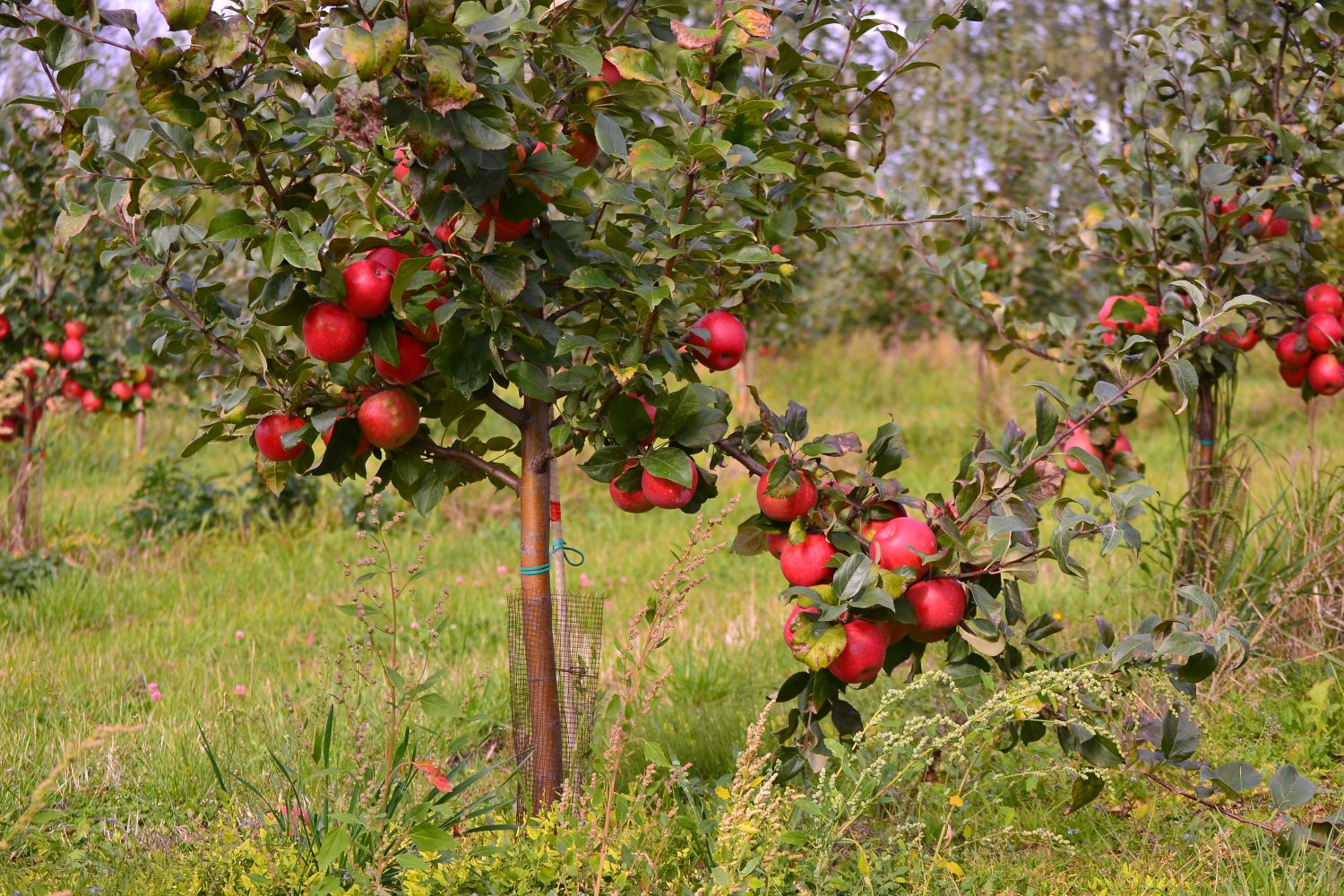
If you want an apple tree that practically takes care of itself, Liberty is your answer — naturally resistant to apple scab, fire blight, and mildew. Our Liberty Apple Tree is a top pick for organic growers.
We also carry Jonathon, Winesap, Golden Delicious, Fuji, and Granny Smith. Browse our full Apple Trees collection.
Pear Trees — Underrated and Incredibly Hardy
Pear trees are often hardier than apples, less prone to pest pressure, and produce abundantly once established.
Kieffer Pear Tree

The Kieffer pear is a workhorse — one of the most fire blight-resistant varieties available. Large, firm fruit that's excellent for canning. Our Kieffer Pear Tree is one of our most popular food trees. Also check out our Moonglow and Anjou varieties. Browse the full Pear Trees collection.
Pawpaw Trees — The Midwest's Secret Superfruit

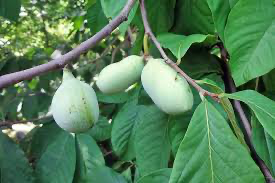
The pawpaw is North America's largest native fruit — creamy and tropical, tasting like a cross between a banana and a mango. Naturally pest-resistant, no spraying needed, thrives in Zones 5–8. You'll want to know how to harvest and store pawpaw fruit before your first big crop hits.
We carry two varieties — plant both for cross-pollination:
- Pawpaw Tree (Asimina triloba) — Heavy crops of wild-type fruit.
- Pawpaw 'Pennsylvania Gold' — Larger, higher-quality fruit with excellent flavor.

Persimmon Trees — Sweet, Hardy, and Wildly Underplanted

American persimmons handle Zone 4 winters without blinking. Intensely sweet after the first frost, virtually maintenance-free. Our Persimmon Tree is a native American variety perfectly suited to Midwest conditions.
American Elderberry — The Easiest Fruit Shrub You'll Ever Grow

Elderberry produces more usable fruit per square foot than almost anything else you can plant. Loaded with antioxidants and vitamin C. Native to the Midwest, grows fast, produces in year two. Our American Elderberry is one of our most popular food plants. Learn more in our guide on why every yard needs an American Elderberry.
Pecan Trees — Long-Term Investment, Massive Payoff

Plant a pecan tree and you're giving a gift to your future self. Once producing, they drop hundreds of pounds of nuts every fall for generations. Our Hardy Pecan Tree is northern-adapted and handles Midwest winters far better than southern varieties. Also consider our Black Walnut Tree for another incredible long-term nut producer.
Serviceberry — The First Fruit of Spring

Serviceberries fruit before most other plants have even leafed out — typically late May in the Midwest. Berries taste like a cross between a blueberry and an almond. Stunning white spring flowers and brilliant fall color too. Our Serviceberry is a native Midwest species that works beautifully as a specimen tree or hedge.
Blueberry Plants — Small Footprint, Big Harvest

Compact, long-lived (50+ years), and packed with antioxidants. Key to success: acidic soil in the 4.5–5.5 pH range. We carry Blueberry 'Blue Gold' (late-season, very cold-hardy) and Blueberry 'Blue Crop' (the most widely grown variety in the country). Plant at least two for cross-pollination.
Honeyberry (Haskap) — The Cold-Hardy Blueberry Alternative

Incredibly cold-hardy (some handle -40°F), honeyberries ripen earlier than almost any other fruit — sometimes late May. Taste like a blueberry-raspberry cross. We carry three varieties that cross-pollinate perfectly: Aurora, Tundra, and Indigo Treat. See our full Honeyberry collection.
Tips for Planting Fruit Trees in the Midwest
- Know your grow zone. Browse by Zone 5 or Zone 6.
- Plant in full sun. At least 6–8 hours of direct sunlight daily.
- Plan for pollinators. Most fruit trees need a second variety nearby.
- Don't pile mulch against the trunk. One of the most common mistakes — read our guide on mulch volcanoes and why they kill trees.
- Water deeply the first season. Deep, infrequent watering builds strong roots.
What's the Best Fruit Tree for a Beginner?
Honest answer: start with a pawpaw or an elderberry. Both are native, pest-resistant, and require minimal intervention. If you want something more traditional, a Liberty Apple or Kieffer Pear are both excellent beginner choices — disease-resistant and forgiving.
Ready to start your Midwest food forest? Browse our full Food Trees & Plants collection or explore all available plants.