Midwest summers can be brutal. A stretch of 90°F days with no rain for weeks is not unusual — and it's exactly the kind of stress that kills trees that weren't chosen carefully. If you've lost trees to summer drought, or if you're tired of babying plants through dry spells, this guide is for you.
The best drought-tolerant trees for the Midwest are plants that have evolved to handle dry conditions — either through deep root systems that find water far below the surface, or through adaptations that reduce water loss during hot, dry weather. Once established (usually after 1–2 seasons), these trees thrive on rainfall alone with no supplemental watering needed.
Every plant on this list ships directly from our nursery.
What "Drought Tolerant" Really Means
It's important to understand that even drought-tolerant trees need regular watering during their first season or two while they establish their root systems. "Drought tolerant" means the tree can handle dry conditions once it's established — not that you can plant it and ignore it from day one.
Plan to water newly planted trees deeply once or twice a week for the first full growing season. After that, the trees on this list will largely take care of themselves through normal Midwest dry spells.
Hackberry — The Most Drought-Tough Tree in the Midwest

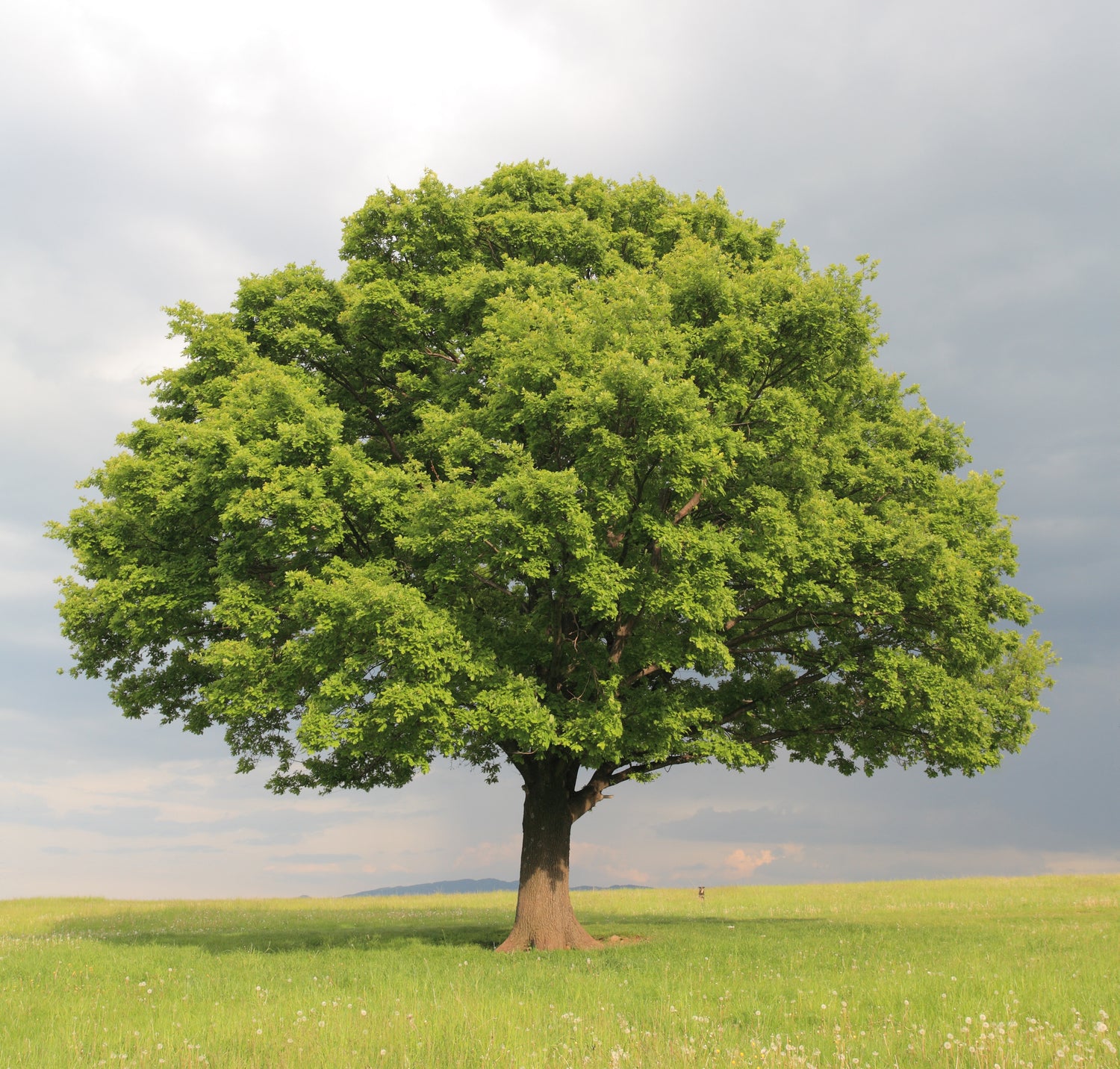
Ask any arborist what the toughest, most adaptable shade tree for the Midwest is, and Hackberry comes up every time. This native tree handles drought, flooding, wind, compacted soil, air pollution, and extreme cold without flinching. It's basically indestructible — and it still manages to grow 40–60 feet tall with a broad, vase-shaped canopy that provides excellent shade.
Hackberry's deep, wide-spreading root system allows it to find water far below the surface during dry spells. Once established, it's one of the most self-sufficient trees you can plant. It also produces small purple berries in fall that feed over 40 bird species. Hardy in Zones 2–9. Our Hackberry Tree is the definition of tough and reliable — the tree that thrives where others give up.
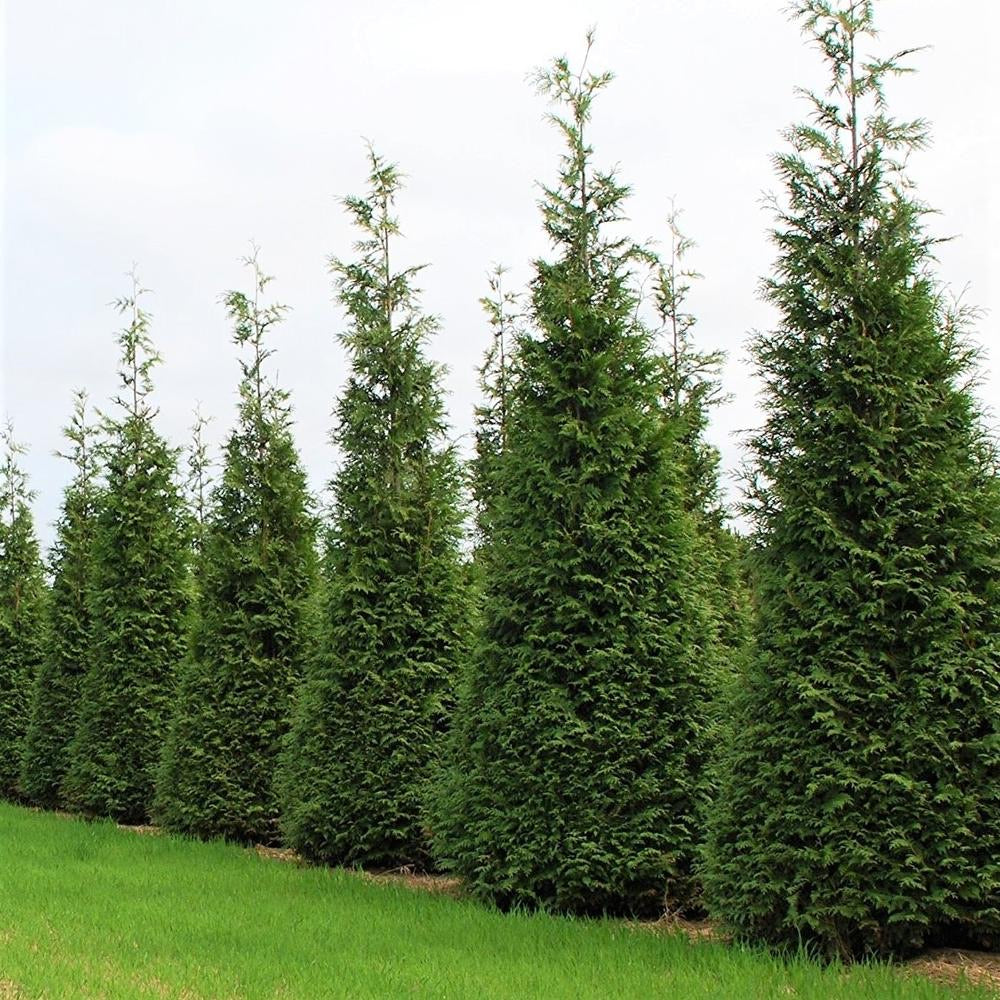
Eastern Red Cedar — The Native Evergreen That Laughs at Drought

Eastern Red Cedar is one of the most drought-tolerant trees in North America. It grows naturally on rocky hillsides, thin soils, and exposed ridges where most other trees can't survive — conditions that would stress or kill most landscape trees. Once established, it requires essentially zero supplemental water and thrives on whatever rainfall the Midwest provides.
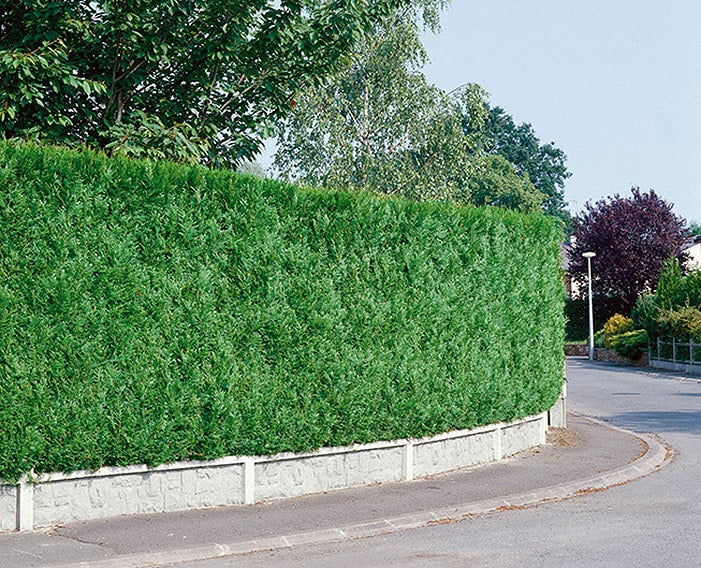
It's a native evergreen that grows 30–40 feet tall with a dense, columnar to pyramidal shape. The blue-green foliage is attractive year-round, and the small blue berries are a critical food source for cedar waxwings and dozens of other bird species. It also makes an excellent drought-tolerant privacy screen. Hardy in Zones 2–9. Our Eastern Red Cedar is a native workhorse that thrives in the toughest conditions.
Shumard Oak — The Drought-Tolerant Oak With Spectacular Fall Color

Most oaks are reasonably drought-tolerant once established, but the Shumard Oak stands out as one of the best for hot, dry Midwest summers. It's native to the drier parts of the central Midwest and has evolved to handle extended dry periods far better than Pin Oak or other moisture-loving oaks. It grows 40–60 feet tall with a broad, open canopy and produces spectacular scarlet-red fall color that rivals the best maples.
Shumard Oak grows 1.5–2 feet per year and adapts well to clay soils, rocky ground, and urban conditions. Hardy in Zones 5–9. Our Shumard Oak Tree is the best oak choice for yards with dry summers and variable soil conditions.
Northern Red Oak — Deep Roots, Drought Resilient

The Northern Red Oak develops a deep, extensive root system that makes it surprisingly drought-resilient once established. While it prefers well-drained soils, it handles dry summers well after its first few years in the ground. It's one of the fastest-growing oaks — putting on 1–2 feet per year — and eventually reaches 60–75 feet tall with a massive canopy and deep red fall color.
A mature Red Oak is one of the most valuable and impressive trees you can have on a property. Hardy in Zones 3–8. Our Northern Red Oak Tree is a long-term investment that gets tougher and more beautiful every year.
Eastern Redbud — Drought-Tolerant Native With Stunning Spring Blooms

Eastern Redbud is a native Midwest tree that naturally grows on dry, rocky hillsides and woodland edges — conditions that tell you everything you need to know about its drought tolerance. Once established, it handles dry summers with ease. And in spring, it rewards you with one of the most spectacular flowering displays of any tree — thousands of magenta-pink flowers covering every branch before a single leaf emerges.
Redbud grows 20–30 feet tall with a graceful, spreading canopy. It's a perfect drought-tolerant small tree for yards where you want beauty without babying. Hardy in Zones 4–9. Our Redbud Tree is tough, native, and absolutely stunning in spring.
Washington Hawthorn — Tough as Nails, Three Seasons of Beauty

Washington Hawthorn is one of the toughest small trees you can plant in the Midwest. It tolerates drought, clay soil, urban pollution, and neglect without complaint — and still manages to deliver three full seasons of ornamental interest. White flowers in late spring, red berries that persist through winter feeding birds, and brilliant orange-red fall foliage. It's a complete package in a tough, adaptable package.
Washington Hawthorn grows 20–25 feet tall with a rounded, dense canopy. The thorny branches also make it an effective barrier planting. Hardy in Zones 4–8. Our Washington Hawthorn Tree is a low-maintenance beauty that thrives on neglect.
Black Gum — Adapts to Dry or Wet, Always Stunning

Black Gum (Nyssa sylvatica) is one of the most adaptable native trees in the Midwest — it grows naturally in both swampy bottomlands and dry upland ridges, which tells you it can handle whatever your yard throws at it. Once established, it handles dry summers well and rewards you with the most intense scarlet-red fall color of any native tree.
It grows 30–50 feet tall with a naturally beautiful layered branching structure, is virtually pest and disease-free, and produces small blue-black fruits that migrating birds love. Hardy in Zones 3–9. Our Black Gum Tree is a stunning, adaptable native that works in almost any Midwest yard.
Crimson Ninebark — The Drought-Tough Colorful Shrub

Ninebark is one of the most drought-tolerant native shrubs in the Midwest. It grows naturally on dry, rocky slopes and stream banks, giving it the ability to handle both dry and wet conditions with equal ease. Once established, it needs virtually no supplemental watering. And it's gorgeous — deep burgundy-purple foliage all season long, clusters of white-pink flowers in late spring, and interesting exfoliating bark in winter.
Crimson Ninebark grows 6–8 feet tall and wide, is hardy to Zone 2, and requires almost zero maintenance. Our Crimson Ninebark is one of the most low-maintenance, high-impact shrubs we carry — beautiful, tough, and completely self-sufficient once established.
Black-Eyed Susan — The Drought-Proof Native Perennial

Black-Eyed Susan is a native Midwest prairie plant that evolved in some of the driest conditions the region has to offer. It's one of the most drought-tolerant perennials you can grow — thriving in full sun and poor, dry soil where most plants struggle. It blooms from mid-summer through fall with bright golden-yellow flowers that attract native bees, butterflies, and beneficial insects.
It spreads naturally over time to fill in bare spots, and the seed heads feed goldfinches through fall and winter. Hardy in Zones 3–9. Our Black-Eyed Susan is the perfect drought-tolerant perennial to fill in around your trees and shrubs with color all summer long.
Tips for Helping Trees Through Drought
Even drought-tolerant trees benefit from a little help during extreme dry spells. Here's how to keep your trees healthy through the toughest Midwest summers:
- Mulch deeply around the base. A 3–4 inch ring of mulch extending to the drip line retains soil moisture, moderates soil temperature, and dramatically reduces water stress. Just keep mulch away from the trunk — read our guide on why mulch volcanoes kill trees.
- Water deeply and infrequently. When you do water during drought, water deeply — 1–2 inches at a time — rather than shallow daily watering. Deep watering encourages deep root growth that makes trees more drought-resilient long-term.
- Don't fertilize during drought. Fertilizing during dry conditions pushes new growth that the tree can't support without adequate water. Wait until conditions improve.
- Be patient the first two seasons. Even the toughest drought-tolerant trees need consistent moisture while establishing. The drought tolerance kicks in after the root system is fully developed — usually after 1–2 full growing seasons.
- Choose the right tree for the right spot. The best drought protection is planting trees that are naturally adapted to your conditions. Every tree on this list was chosen because it thrives in Midwest dry spells — not just survives them.
Browse our full Large Shade Trees collection, our Shrubs & Bushes collection, and all available plants to find the perfect drought-tolerant plants for your Midwest yard.