If you've ever planted something beautiful only to walk outside the next morning and find it stripped to a stub, you know the frustration of gardening in deer country. Deer pressure is a real and growing problem across the Midwest — suburban sprawl pushes deer into neighborhoods, hunting pressure decreases in populated areas, and mild winters mean larger deer populations year after year.
The good news: you don't have to give up on having a beautiful landscape. You just have to be strategic about what you plant. Deer are creatures of habit and preference — they have plants they love and plants they largely ignore. This guide covers the best deer-resistant trees, shrubs, and perennials for the Midwest — plants that deer consistently avoid, so your landscape stays beautiful even in heavy deer pressure areas.
Understanding Deer Resistance
Before we get into the plant list, it's important to understand what "deer resistant" actually means — because no plant is 100% deer-proof under all conditions.
Deer resistance is influenced by several factors:
- Deer population density. In areas with very high deer pressure, hungry deer will eat plants they'd normally avoid. The plants on this list are the last things deer eat — but in extreme situations, even they can be browsed.
- Season and food availability. Deer are most likely to eat unusual plants in late winter and early spring when other food is scarce. The same plants they ignore in summer may get browsed in March when deer are hungry.
- Plant maturity. Young, newly planted trees and shrubs are more vulnerable than established plants. Protect new plantings with fencing or repellent for the first season or two.
- Regional deer preferences. Deer in different areas develop different feeding habits. A plant that's reliably deer-resistant in one region may be browsed more heavily in another.
With those caveats in mind, the plants on this list are among the most consistently deer-resistant options available for Midwest landscapes — chosen because deer avoid them due to their texture, taste, smell, or toxicity.
Why Deer Avoid Certain Plants
Deer avoid plants for several reasons:
- Toxic or unpalatable compounds. Many plants produce chemicals that taste bad or are mildly toxic to deer. Yew, for example, is highly toxic to deer and they instinctively avoid it.
- Strong fragrance. Deer rely heavily on smell and tend to avoid strongly aromatic plants. This is why many herbs, and plants like Witch Hazel, are less appealing to deer.
- Thorns and spines. Plants with thorns or spiny branches — like Hawthorn — are physically uncomfortable for deer to browse.
- Tough or fuzzy texture. Deer prefer tender, succulent foliage. Plants with tough, leathery, or fuzzy leaves are less appealing.
- Evergreen foliage. Many evergreens have resinous, aromatic foliage that deer find less palatable than deciduous plants — though this varies by species.
Best Deer-Resistant Trees
Eastern Red Cedar — The Deer-Proof Native Evergreen

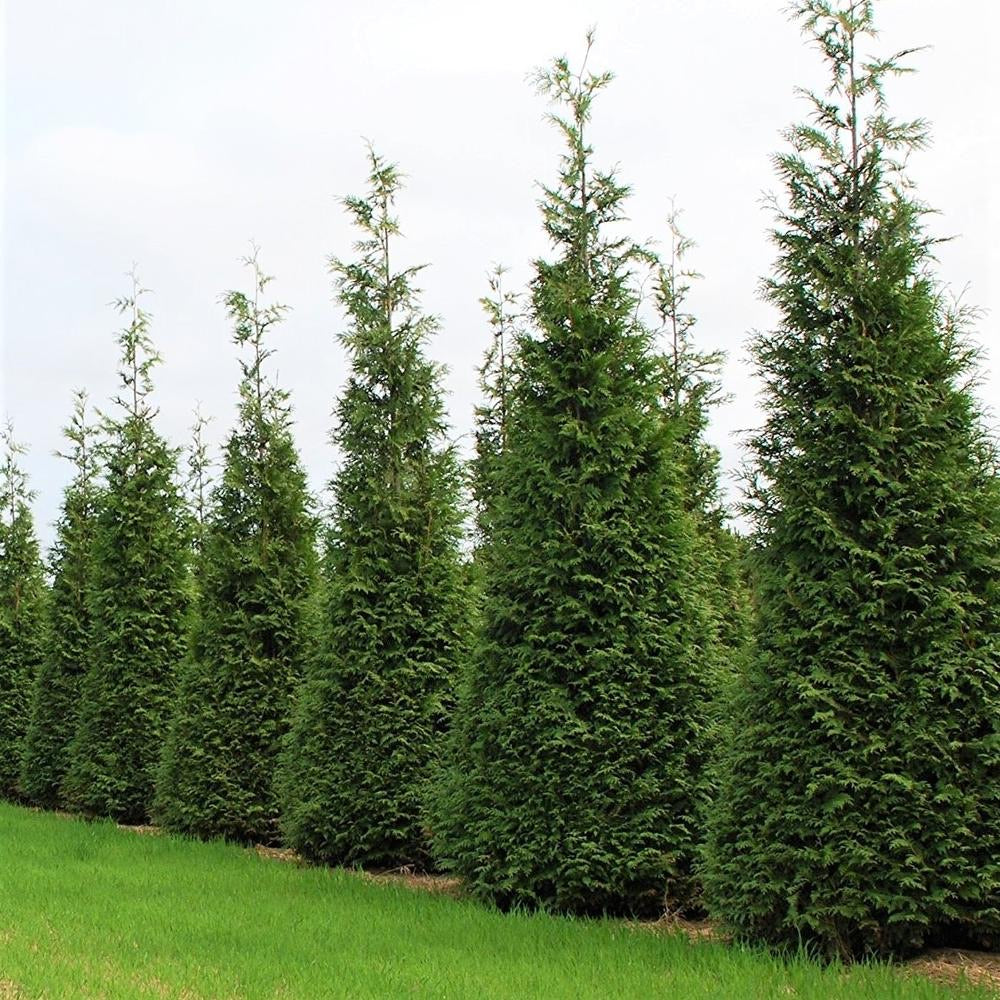
Eastern Red Cedar is one of the most reliably deer-resistant trees you can plant in the Midwest. The aromatic, resinous foliage is highly unpalatable to deer — they'll browse almost anything before touching a Red Cedar. This makes it an excellent choice for privacy screens and windbreaks in areas with heavy deer pressure, where other evergreens like arborvitae get hammered.
It's also a native Midwest tree that's virtually indestructible — handling drought, clay soil, rocky ground, and extreme cold without complaint. Grows 30–40 feet tall, dense and columnar. The blue berries feed cedar waxwings and 50+ other bird species. Hardy in Zones 2–9. Our Eastern Red Cedar is the top deer-resistant evergreen tree for the Midwest.
Norway Spruce — Deer-Resistant Windbreak Giant

Norway Spruce has sharp, stiff needles that deer find uncomfortable to browse, making it significantly more deer-resistant than softer-needled evergreens. It's one of the best choices for large windbreaks and privacy screens in deer country — fast-growing (1–2 feet per year), cold-hardy to Zone 2, and eventually reaching 40–60 feet tall with a sweeping, graceful form. Our Norway Spruce Tree is a tough, deer-resistant windbreak that gets more beautiful every year.
Washington Hawthorn — Thorns Keep Deer Away

Washington Hawthorn's long, sharp thorns make it one of the most physically deer-resistant trees available. Deer simply don't want to push through the thorny branches to get to the foliage. Beyond the deer resistance, it's a beautiful three-season tree — white spring flowers, red berries that persist through winter feeding birds, and brilliant orange-red fall color. Grows 20–25 feet tall. Hardy in Zones 4–8. Our Washington Hawthorn Tree is a deer-resistant beauty that wildlife loves.
Best Deer-Resistant Shrubs
Hicks Yew — The Most Deer-Resistant Evergreen Shrub

Yew is one of the few plants that deer genuinely avoid due to toxicity — the foliage contains alkaloids that are harmful to deer, and they instinctively stay away from it. This makes Hicks Yew one of the most reliably deer-resistant evergreen shrubs you can plant, even in areas with extreme deer pressure. It grows 10–12 feet tall in a dense, narrow column, thrives in shade (rare for an evergreen), and stays rich dark green year-round. Hardy in Zones 4–7. Our Hicks Yew is the go-to deer-resistant evergreen for shady spots.
Crimson Ninebark — Native and Deer-Resistant

Ninebark is a native Midwest shrub that deer largely ignore — the tough, slightly bitter foliage just isn't on their preferred menu. Crimson Ninebark adds stunning deep burgundy-purple foliage all season, clusters of white-pink flowers in late spring, and interesting exfoliating bark in winter. It's one of the most beautiful and tough native shrubs available, growing 6–8 feet tall and wide. Hardy to Zone 2. Our Crimson Ninebark is a deer-resistant native that looks great year-round.
Witch Hazel — Deer-Resistant and Unique

Witch Hazel's aromatic foliage and astringent compounds make it unappealing to deer — it's one of the more reliably deer-resistant native shrubs in the Midwest. It's also one of the most unique plants you can grow, blooming in late fall and early winter with spidery yellow flowers on bare branches when everything else is dormant. Grows 10–15 feet tall with good fall color. Hardy in Zones 3–8. Our Witch Hazel is a deer-resistant native that blooms when nothing else does.
Yellow Potentilla — Deer-Resistant and Blooms All Summer

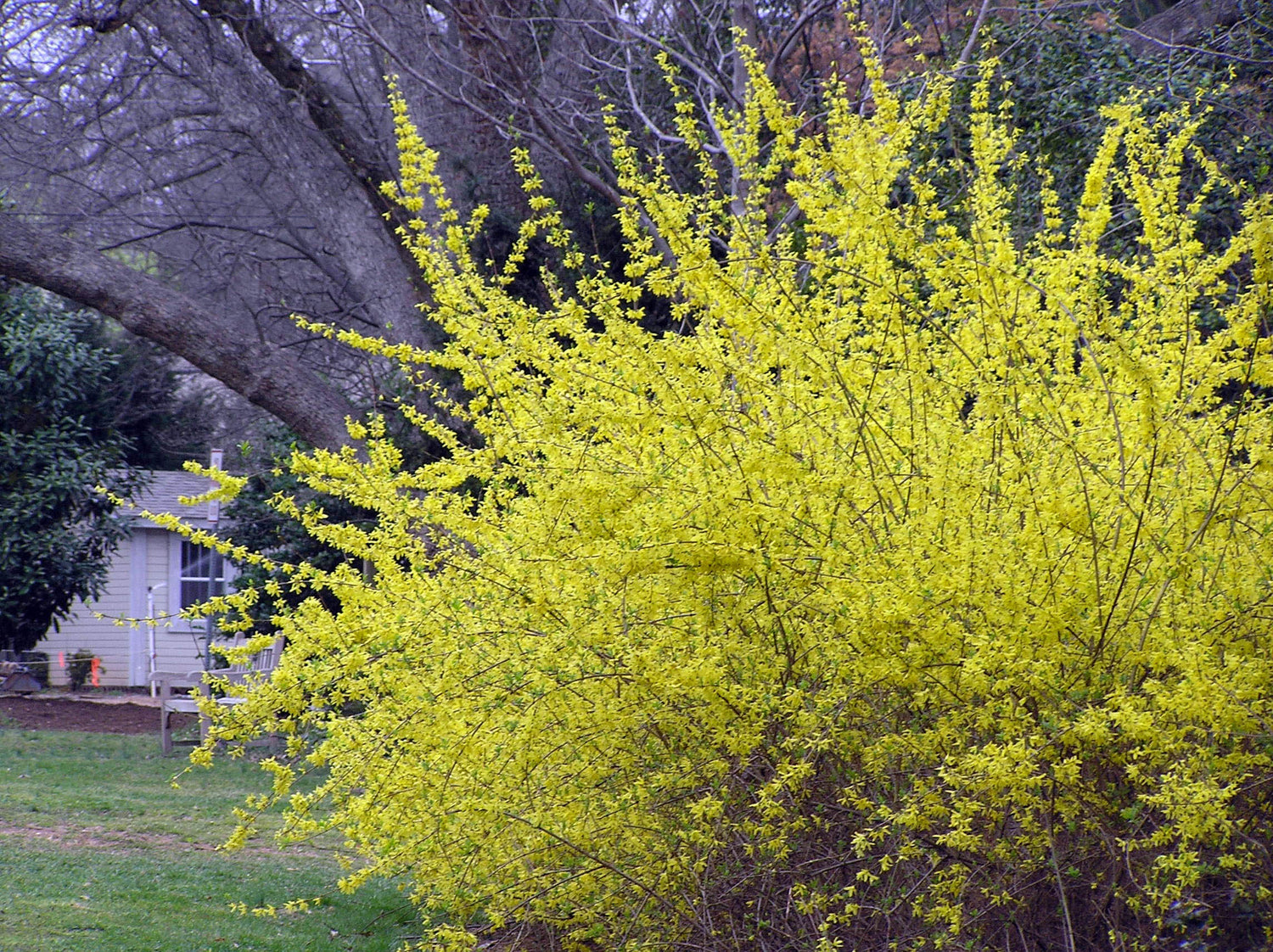
Potentilla is one of the most deer-resistant flowering shrubs available — deer consistently avoid it, even in areas where they browse almost everything else. And it blooms from late spring through fall with cheerful yellow flowers, making it one of the longest-blooming deer-resistant shrubs you can plant. Grows 3–4 feet tall, extremely cold-hardy (Zone 2), and drought-tolerant once established. Our Yellow Potentilla is a deer-resistant workhorse that blooms for months.
Dappled Willow — Colorful and Deer-Resistant

Dappled Willow is generally avoided by deer — the bitter, willow-family compounds in the foliage make it unappealing. It's one of the most colorful shrubs you can plant, with stunning variegated foliage in pink, white, and green all season. Grows 4–8 feet tall, tolerates wet soils, and can be cut back hard each spring for the most vibrant new growth. Hardy in Zones 4–9. Our Dappled Willow brings color to spots where deer pressure is high.
Best Deer-Resistant Perennials
Black-Eyed Susan — Native Perennial Deer Avoid

Black-Eyed Susan has slightly rough, hairy foliage that deer find unappealing — it's one of the more reliably deer-resistant native perennials in the Midwest. It blooms from mid-summer through fall with bright golden-yellow flowers that attract native bees and butterflies, and the seed heads feed goldfinches through winter. Thrives in full sun and tolerates drought and poor soil. Hardy in Zones 3–9. Our Black-Eyed Susan is a deer-resistant native that blooms reliably every summer.
Sedum 'Autumn Joy' — Succulent Deer Don't Want

Sedum's thick, succulent foliage contains compounds that deer find unpalatable — it's one of the most reliably deer-resistant perennials you can grow. Autumn Joy blooms from late August through October with flowers that deepen from pink to rich rusty-red, providing critical late-season nectar for pollinators. The dried flower heads persist through winter providing structure and bird food. Grows 18–24 inches tall. Hardy in Zones 3–9. Our Sedum Autumn Joy is a deer-resistant perennial that looks great from summer through winter.
Additional Tips for Protecting Plants from Deer
Even with deer-resistant plants, a few extra strategies can make a big difference:
- Protect new plantings. Young plants are most vulnerable. Use wire cages, tree tubes, or deer netting around new plantings for the first 1–2 seasons until they're established and large enough to withstand some browsing.
- Use deer repellent sprays. Commercial repellents like Bobbex, Deer Out, or Liquid Fence work well when applied consistently. Rotate between products to prevent deer from getting used to any single scent. Reapply after rain.
- Plant deer-resistant plants near the perimeter. Create a buffer of deer-resistant plants around the edges of your property and save your more vulnerable plants for the interior where deer are less likely to venture.
- Motion-activated deterrents. Motion-activated sprinklers and lights can be effective at keeping deer out of specific areas, especially vegetable gardens and high-value plantings.
- Fencing. For truly deer-proof protection, an 8-foot fence is the gold standard. Deer can jump 6-foot fences easily but rarely attempt 8-foot barriers. For smaller areas like vegetable gardens, this is often the most practical solution.
🌱 Ready to build a deer-resistant landscape?
Every plant on this list ships directly to your door — beautiful, tough, and proven to stand up to deer pressure in the Midwest.
Browse All Plants →