Not every yard has room for a 60-foot oak or a spreading silver maple. But a small yard doesn't mean you have to go without trees — it just means choosing the right ones. The best small trees for the Midwest deliver everything you want from a tree — shade, flowers, fall color, wildlife value, and year-round beauty — in a size that fits comfortably in a smaller space without threatening your foundation, power lines, or neighbors.
This guide covers the best trees for small yards in the Midwest — trees that stay under 30 feet tall, look beautiful in every season, and thrive in Midwest conditions. Every tree ships directly from our nursery.
What Makes a Tree "Small Yard Friendly"?
When we say a tree is good for small yards, we mean it checks most of these boxes:
- Mature height under 30 feet — stays well below power lines and doesn't overwhelm a small lot
- Moderate spread — won't engulf the entire yard or crowd neighboring plants
- Non-invasive roots — won't crack foundations, sidewalks, or sewer lines
- Multiple seasons of interest — earns its space with flowers, fall color, berries, or interesting bark
- Low maintenance — doesn't require constant pruning to stay in bounds
The trees on this list meet these criteria and are proven performers in Midwest conditions.
Planning for a Small Yard Tree
Before you plant, a few important considerations:
- Know the mature size. The tag at the nursery shows the tree's size at purchase — not its mature size. Always research the mature height AND spread before planting.
- Check overhead lines. Plant trees that will stay well below any overhead power lines. A good rule: if the mature height of the tree is taller than the distance to the nearest power line, choose a shorter tree.
- Distance from the house. Plant small trees at least 10–15 feet from your foundation. Even small trees have root systems that extend well beyond the canopy.
- Call 811. Always call 811 before digging to have underground utilities marked. It's free and required by law in most states.
- Think about the view. Small yard trees are often viewed up close from windows, patios, and decks. Choose trees with interesting bark, flowers, or berries that reward close inspection.
The Best Small Trees for Midwest Yards
Eastern Redbud — The Most Beautiful Small Tree in the Midwest

Eastern Redbud is arguably the most beautiful small tree you can plant in a Midwest yard. In April, before the leaves emerge, every branch is covered in magenta-pink flowers — a display so spectacular it stops traffic. The heart-shaped leaves that follow are attractive all summer, and the golden fall color rounds out a three-season tree that earns its space in any yard. This feature of flowering trees like the Redbud also makes them popular choices for gardens that want vibrant spring shows, which flowering trees for the Midwest spring covers in detail.
Redbud is also a native Midwest tree with real ecological value — it's one of the most important early-season nectar sources for queen bumblebees and native bees, and it serves as a larval host plant for several native butterfly species. It grows 20–30 feet tall with a graceful, spreading form that provides light dappled shade. Hardy in Zones 4–9. Our Redbud Tree is the top pick for small yards that want maximum spring impact.
Serviceberry — The Best Four-Season Small Tree

Serviceberry is the small tree that does everything. White spring flowers provide early nectar for pollinators. Sweet summer berries (similar to blueberries in flavor) attract birds and can be eaten by humans. Brilliant orange-red fall color rivals any maple. Attractive smooth gray bark provides winter interest. It's genuinely a four-season tree that earns its space every single month of the year.
Serviceberry is also a native Midwest plant with excellent wildlife value — the berries are one of the most sought-after foods for migrating birds in early summer. It grows 15–25 feet tall and adapts well to a range of soil conditions including partial shade. Hardy in Zones 3–9. Our Serviceberry is the best all-around small tree for Midwest yards.
Washington Hawthorn — Four Seasons of Spectacular

Washington Hawthorn is one of the most ornamentally complete small trees available — it delivers something beautiful in every season. White flower clusters in late spring. Dense green foliage and developing red berries in summer. Brilliant orange-red to scarlet fall color. And then the real show: the bright red berries persist through winter, feeding birds and providing color when everything else is bare and gray.
The thorny branches also make it an excellent security planting under windows or along property lines. Grows 20–25 feet tall with a rounded form. Hardy in Zones 4–8. Our Washington Hawthorn Tree is the most complete four-season small tree we carry.
White Fringe Tree — The Most Unique Small Tree in Bloom

White Fringe Tree is one of the most underused and most spectacular small trees available for Midwest yards. In late spring it produces long, drooping clusters of feathery white flowers that cover the entire tree — the effect is like the tree is draped in white lace. The fragrance is light and pleasant. Female trees produce dark blue berries in fall that birds love.
White Fringe Tree is also a native plant with excellent adaptability — it tolerates clay soil, partial shade, and urban conditions better than most flowering trees. It grows slowly to 12–20 feet tall, making it one of the most manageable small trees for tight spaces. Hardy in Zones 3–9. Our White Fringe Tree is the most unique and spectacular small flowering tree we carry.
Witch Hazel — The Small Tree That Blooms in Winter

Witch Hazel is in a category of its own — it blooms in late fall and early winter with spidery yellow flowers on bare branches when everything else in the landscape is dormant. It's the last flower of the season and the first of the next, and it fills a unique niche in the small yard landscape: something interesting and beautiful to look at in November and December when everything else is bare.
The golden fall color is excellent, and the interesting branching structure provides winter silhouette interest. It grows 10–15 feet tall — one of the most manageable sizes of any flowering tree. Hardy in Zones 3–8. Our Witch Hazel is the most unique small tree for winter interest and late-season bloom.
Ginkgo Biloba — Ancient Tree, Manageable Size When Young

Ginkgo Biloba grows slowly — which makes it manageable in a small yard for many years before it eventually becomes a larger tree. In the first 10–15 years it stays in the 15–25 foot range, making it a practical choice for smaller spaces. The fan-shaped leaves are unlike any other tree, and the pure golden-yellow fall color — when all the leaves drop simultaneously in a golden carpet — is one of the most spectacular fall events in the plant world.
Ginkgo is also extraordinarily tough, tolerating air pollution, drought, compacted soil, and urban conditions that would stress most trees. It's a living fossil unchanged for 200 million years. Hardy in Zones 3–9. Our Ginkgo Biloba Tree is a slow-growing, spectacular choice for small yards that want something truly unique.
River Birch — Graceful Multi-Stem Beauty

River Birch planted as a multi-stem clump — two or three trunks growing together — creates one of the most beautiful small tree forms available. The peeling cinnamon-colored bark on multiple trunks is stunning year-round, especially in winter when the canopy is bare and the bark is the star of the show. The airy, graceful canopy provides dappled shade without blocking light entirely.
While River Birch can eventually grow quite large, multi-stem clumps in small yards can be managed with selective pruning to keep them in scale. It's also one of the most adaptable trees for wet, clay soils. Hardy in Zones 4–9. Our River Birch Tree is the most ornamentally beautiful choice for small yards with wet or clay soil.
Small Tree Comparison Chart
- Eastern Redbud: 20–30 ft tall • Spring flowers • Native • Zones 4–9
- Serviceberry: 15–25 ft tall • Spring flowers + summer berries + fall color • Native • Zones 3–9
- Washington Hawthorn: 20–25 ft tall • Spring flowers + winter berries + fall color • Zones 4–8
- White Fringe Tree: 12–20 ft tall • Late spring flowers • Native • Zones 3–9
- Witch Hazel: 10–15 ft tall • Fall/winter flowers + fall color • Native • Zones 3–8
- Ginkgo Biloba: Slow-growing, manageable for years • Spectacular fall color • Zones 3–9
- River Birch: Variable (manageable as multi-stem) • Year-round bark beauty • Native • Zones 4–9
Tips for Planting Trees in Small Yards
- Plant away from the house. Even small trees should be planted at least 10–15 feet from your foundation. Their root systems extend well beyond the canopy.
- Use trees as focal points. In a small yard, one well-chosen tree in the right spot is more impactful than several trees competing for attention. Choose your best spot and plant your best tree there.
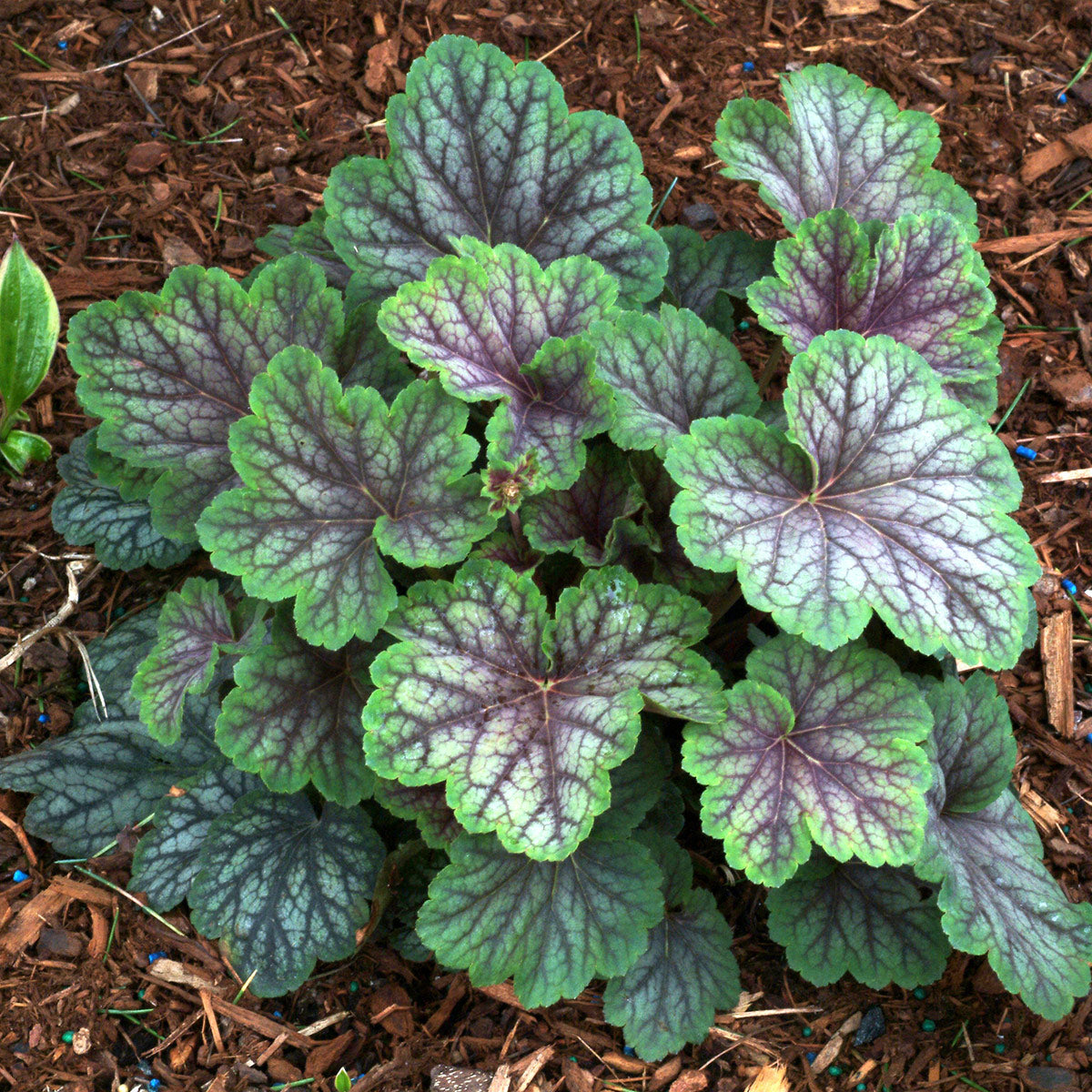
- Underplant with shade-tolerant plants. Once your small tree is established, underplant beneath it with shade-tolerant perennials like hostas, coral bells, or ajuga for a layered, finished look.
- Choose multi-season trees. In a small yard, every plant needs to earn its space. Choose trees that offer interest in at least two or three seasons — not just a brief spring bloom.
- Mulch the entire root zone. A wide ring of mulch (3–4 inches deep, kept away from the trunk) dramatically improves establishment and long-term health. Read our guide on proper mulching technique before you plant.
- Water consistently the first two seasons. Small trees establish faster than large ones, but they still need regular water in years one and two. Deep, infrequent watering is better than shallow daily watering.
🌱 Ready to find the perfect small tree for your yard?
Every tree in this guide ships directly to your door — ready to plant and start growing. Browse our full small tree collection and find the right fit for your space.
Shop Small Trees →