Why Soil pH Is the #1 Cause of Blueberry Failure
If your blueberries are struggling — yellowing leaves, poor growth, small berries, or plants that just never seem to thrive — there’s a better than 80% chance the problem is soil pH, not fertilizer, not watering, not pests.
Blueberries require soil pH between 4.5 and 5.5. Most garden soil in the US sits between 6.0 and 7.0 — too alkaline for blueberries to absorb the nutrients they need. At pH 6.0 or above, iron and manganese become chemically locked in the soil. The plant can’t access them regardless of how much fertilizer you apply. The result: yellowing leaves (interveinal chlorosis), stunted growth, and declining yields year after year.
The fix isn’t more fertilizer. The fix is lowering the pH. And that’s exactly what a soil acidifier does.
Shop Duke Blueberry → Shop Blue Crop Blueberry →
What Is a Soil Acidifier and How Does It Work?

A soil acidifier is a product that lowers soil pH — making the soil more acidic. The most common active ingredient is elemental sulfur, which soil bacteria convert into sulfuric acid over time, gradually lowering pH. Organic acidifiers may also include feather meal, sulfate of potash, and other ingredients that feed the soil while acidifying it.
Key things to understand about soil acidifiers:
- They work slowly. Elemental sulfur takes weeks to months to lower pH, depending on soil temperature, moisture, and microbial activity. Don’t expect overnight results.
- They work best applied in advance. Ideally, acidify your soil in fall before spring planting, or at least 4–6 weeks before you need results.
- They need to be watered in. Sulfur needs moisture and microbial activity to convert to acid. Dry application without watering does little.
- Soil type matters. Clay soils have higher buffering capacity and require more acidifier to shift pH than sandy soils. You may need 2–3x the rate on heavy clay.
What to Look for in a Soil Acidifier for Blueberries
Not all soil acidifiers are equal. Here’s what matters when choosing one for blueberries:
- Elemental sulfur as the primary ingredient — the most effective and long-lasting acidifying agent
- Granular form — easier to apply evenly around established plants than powder; less dust, less drift
- Organic certification (OMRI-listed) — important if you’re growing organically or want to avoid synthetic inputs near edible plants
- Additional nutrients — some acidifiers include feather meal or other organic matter that feeds the soil biology while acidifying; this is a bonus
- Formulated for acid-loving plants — products specifically designed for blueberries, azaleas, and rhododendrons are calibrated for the pH range these plants need

The Best Soil Acidifier for Blueberries
After working with blueberries across a range of soil types, the product we recommend for home growers is Jobe’s Organics Granular Soil Acidifier.
Here’s why it stands out:
- OMRI-listed for organic use — safe around edible plants, no synthetic chemicals
- Granular formula — easy to broadcast around established plants without dust or drift
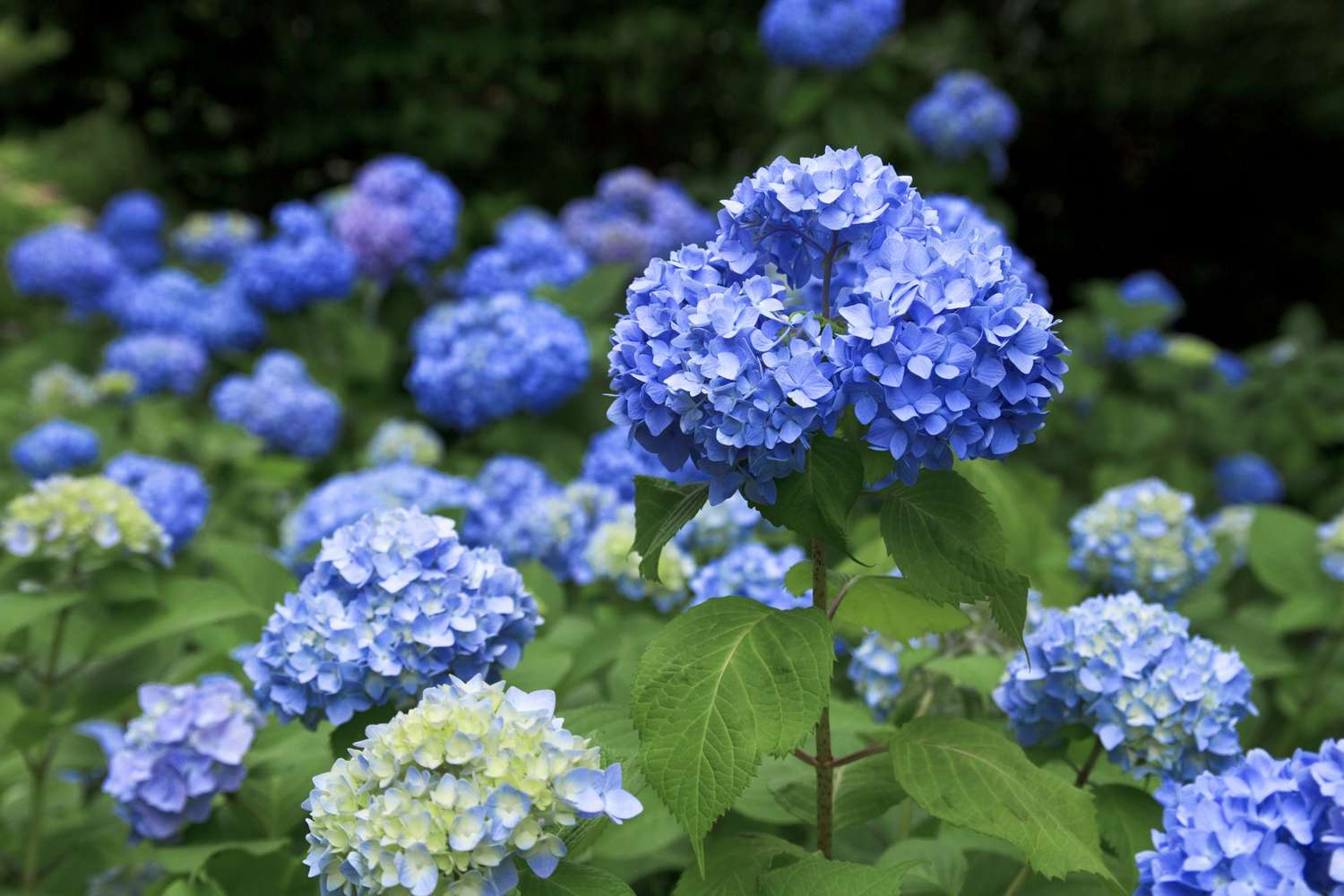
- Formulated specifically for blueberries, azaleas, hydrangeas, and other acid-loving plants — not a generic sulfur product
- Contains elemental sulfur plus feather meal — acidifies while adding slow-release organic nitrogen
- Works gradually and safely — lower burn risk than fast-acting acidifiers; won’t shock established plants
- Available in a 6 lb bag — enough to treat multiple established plants or a new planting bed
Jobe’s Organics Soil Acidifier on Amazon →
It’s not the fastest-acting option on the market, but for home blueberry growers who want a safe, organic, reliable way to bring pH down and keep it there, it’s the right tool.
How to Use a Soil Acidifier on Blueberries

↑ Dealing with clay soil too? Read How to Grow Blueberries in Clay Soil — drainage fixes, raised bed setup, and full pH correction guide.
Step 1: Test your soil pH first
Before applying any acidifier, test your current pH. You need to know your starting point to apply the right amount. A basic soil pH meter or test kit works fine for this. Your county extension office may also offer inexpensive soil testing.
To accurately lower pH, start with the steps outlined in this soil pH testing for blueberries.Step 2: Calculate how much to apply
The amount of acidifier needed depends on your current pH, your target pH, and your soil type. General guidelines for elemental sulfur to lower pH by 1 unit:
| Soil Type | Sulfur Needed per 100 sq ft |
|---|---|
| Sandy soil | 1–1.5 lbs |
| Loam soil | 1.5–2 lbs |
| Clay soil | 2–3 lbs |
Always follow the product label rates — these are general guidelines. For Jobe’s Organics Soil Acidifier, follow the label directions for your specific situation.
Step 3: Apply evenly around the drip line
Broadcast the granules evenly in a ring around each plant, starting 6 inches from the crown and extending to the drip line (the outer edge of the canopy). Keep granules off the crown, stems, and leaves — direct contact can cause irritation.
Step 4: Water in thoroughly
Water deeply immediately after application. Sulfur needs moisture and soil microbial activity to convert to acid. Without watering, it just sits on the surface and does nothing.
Step 5: Retest in 60–90 days
Elemental sulfur works slowly. Retest your pH 60–90 days after application. If pH is still above 5.5, apply again at the same rate. It may take 2–3 applications over a full growing season to reach your target pH in heavily buffered soils.
How Long Does It Take to Lower Soil pH?
This is the most common question — and the honest answer is: longer than most people expect.
- Warm, moist soil: 4–8 weeks to see measurable pH change
- Cool or dry soil: 8–16 weeks or more — microbial activity slows in cold or dry conditions
- Heavy clay soil: May take a full season of repeated applications to shift pH significantly
This is why fall application is ideal — the acidifier has all winter and early spring to work before your plants need the lower pH for the growing season.
Maintaining pH Long-Term
Lowering pH is not a one-time fix. Soil pH naturally drifts back toward neutral over time, especially in areas with alkaline water or limestone-based soil. Plan to:
- Test pH annually — fall is the best time
- Apply a maintenance dose of acidifier each year if pH is creeping up
- Use acidifying fertilizers (ammonium sulfate, organic acid-loving plant fertilizers) as your regular feeding program — these help maintain pH between acidifier applications
- Mulch with pine bark or wood chips — as they break down, they contribute to soil acidity

↑ Once your pH is right, fertilizing correctly is the next step. Read How to Fertilize Blueberries — what to use, when to apply, and how much.
Frequently Asked Questions
What is the best soil acidifier for blueberries?
For home growers, we recommend Jobe’s Organics Granular Soil Acidifier — OMRI-listed, granular, formulated specifically for acid-loving plants like blueberries, and safe around edible plants. It works gradually and reliably without burn risk. Find it on Amazon here.
How do I lower soil pH for blueberries?
Apply a granular soil acidifier containing elemental sulfur around the drip line of each plant, water in thoroughly, and retest in 60–90 days. Repeat as needed until you reach pH 4.5–5.5. Fall application gives the acidifier the most time to work before the growing season.
How long does it take for soil acidifier to work?
4–8 weeks in warm, moist soil. Longer in cool, dry, or clay-heavy conditions. Elemental sulfur is converted to acid by soil bacteria — the process requires warmth and moisture. Don’t expect overnight results; plan ahead.
Can I use vinegar to acidify soil for blueberries?
Vinegar provides a very temporary pH drop that dissipates within days. It’s not an effective long-term solution and can harm soil biology with repeated use. Use elemental sulfur-based products for lasting pH reduction.
How much soil acidifier do I need for blueberries?
It depends on your current pH, target pH, and soil type. Sandy soils need less; clay soils need significantly more. Test your pH first, then follow the product label rates. For Jobe’s Organics, the label provides specific rates by soil type and pH adjustment needed.
Will soil acidifier hurt my blueberry plants?
Applied correctly — broadcast around the drip line, not on the crown or stems, and watered in — granular soil acidifiers are safe for established blueberry plants. Avoid over-application, which can drop pH too low (below 4.5) and cause its own nutrient problems.
Shop Blueberries at Weaver Family Farms
Duke Blueberry → Blue Gold Blueberry → Blue Crop Blueberry →
More Blueberry Care Resources
How to Fertilize Blueberries → How to Prune Blueberries → Blueberries in Clay Soil → Duke Blueberry Growing Guide → Blueberry Companion Plants →
About the Author
Dax Weaver is the owner of Weaver Family Farms Nursery, a family-run nursery specializing in fruit trees, berry plants, and privacy evergreens shipped direct to homeowners across the US. Dax has spent years growing and studying the plants he sells, with a focus on helping customers choose the right variety for their specific site, zone, and goals. When he’s not in the nursery, he’s writing practical growing guides based on real-world experience — not just what the textbooks say.