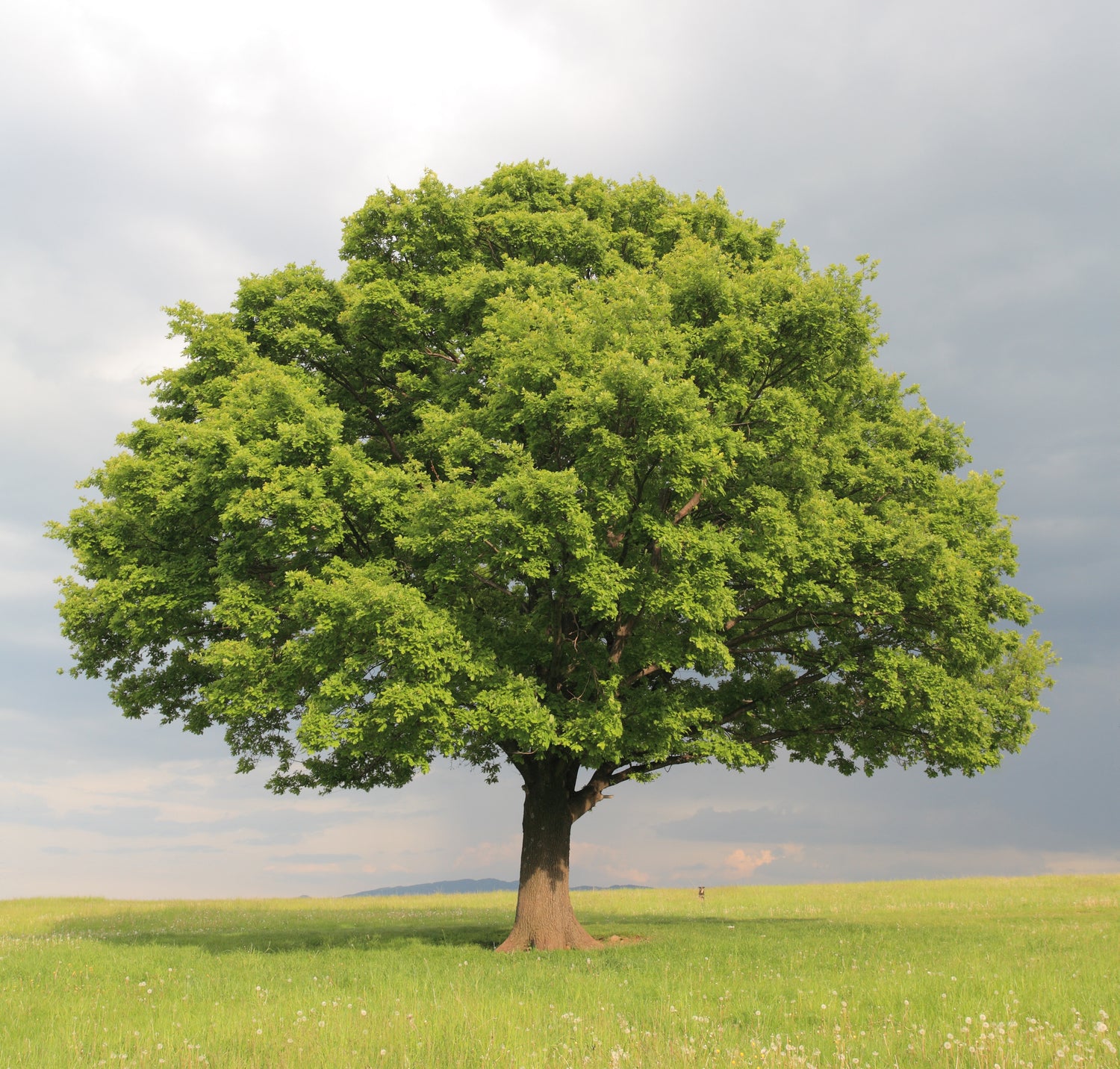
A great shade tree is one of the most valuable investments you can make in your property. A mature shade tree can reduce cooling costs by 25–50%, increase property values by thousands of dollars, provide decades of beauty and wildlife habitat, and transform a hot, exposed yard into a cool, comfortable outdoor living space. The key is choosing the right tree for your site — the right size, the right soil tolerance, and the right growth rate for your goals.
Shade Trees Ideal for Chicago and Surrounding Areas
For Chicago and its suburbs like Naperville and Glenview, selecting shade trees that thrive in local soil and climate conditions is crucial. Trees such as Silver Maple, Red Maple, Hackberry, and River Birch are native to Illinois and well-adapted to urban and suburban environments. These provide fast-growing shade, attractive fall colors, and support local wildlife, making them excellent choices for Chicago-area landscapes.
This guide covers the best shade trees for the Midwest — from fast-growing maples and willows to long-lived oaks, hickories, and ginkgos. Every tree ships directly from our nursery.
Fast-Growing Shade Trees
These trees establish quickly and start providing meaningful shade within 5–10 years of planting.
Silver Maple — The Fastest-Growing Native Shade Tree

Silver Maple is the fastest-growing native shade tree in the Midwest — growing 3–5 feet per year and reaching 50–80 feet tall at maturity. The large, spreading canopy creates dense shade quickly, and the silvery undersides of the leaves shimmer beautifully in the breeze. Silver Maple also blooms very early in spring, providing critical early nectar for native bees, and develops cavities over time that provide nesting habitat for wood ducks, screech owls, and squirrels. Hardy in Zones 3–9.

Our Silver Maple Tree is the fastest-growing native shade tree for Midwest yards — shade in years, not decades.
Tulip Poplar — The Tallest Native Eastern Tree

Tulip Poplar is one of the most impressive native trees in the Midwest — growing 3–5 feet per year and reaching 70–100 feet tall with a straight, columnar trunk and a high, spreading canopy. The large, tulip-shaped flowers in late spring are a critical nectar source for ruby-throated hummingbirds. The distinctive four-lobed leaves turn clear yellow in fall. Excellent for large properties where you want a majestic, fast-growing canopy tree. Hardy in Zones 4–9.

Our Tulip Poplar Tree is the most majestic fast-growing native canopy tree for large Midwest properties.
Weeping Willow — The Most Dramatic Landscape Tree

Weeping Willow is the most dramatically beautiful landscape tree available — the long, sweeping curtains of drooping branches create an unmistakable silhouette that's instantly recognizable and endlessly graceful. It grows 3–8 feet per year, reaching 30–40 feet tall and equally wide, creating a massive, sweeping canopy of shade. Best planted near water where its aggressive roots won't cause problems with foundations or pipes. Hardy in Zones 4–9.

Our Weeping Willow is the most dramatic and graceful shade tree for pond edges and large open spaces.
Catalpa Tree — Bold Tropical Look, Midwest Tough

Catalpa is one of the most distinctive native shade trees in the Midwest — the enormous heart-shaped leaves (up to 12 inches long) give it a bold, tropical appearance unlike any other hardy tree. In late spring it produces large clusters of white orchid-like flowers that are spectacular and fragrant. The long, bean-like seed pods that follow are a unique ornamental feature through fall and winter. Grows 2–3 feet per year, reaching 40–60 feet tall. Hardy in Zones 4–8.

Our Catalpa Tree is the most bold and tropical-looking native shade tree for Midwest landscapes.
Sycamore Tree — The Largest Native Midwest Tree

Sycamore is the largest native tree in the Midwest — reaching 75–100 feet tall with a massive, spreading canopy and the most distinctive bark of any native tree: creamy white and tan patches that peel to reveal fresh white bark beneath, creating a striking mottled pattern year-round. The large canopy provides exceptional shade and nesting habitat for hawks, herons, and other large birds. Grows 2–3 feet per year. Hardy in Zones 4–9.

Our Sycamore Tree is the most massive native shade tree with the most distinctive bark in the Midwest.
Maples — The Best Fall Color Shade Trees
Sugar Maple — The King of Fall Color

Sugar Maple is the most beloved shade tree in the Midwest — the source of maple syrup, the inspiration for the Canadian flag, and the undisputed king of fall color. In October, Sugar Maple delivers the most spectacular fall color display of any tree — brilliant combinations of orange, red, and yellow that are simply unmatched. It grows into a large, dense, rounded canopy reaching 60–75 feet tall. Slower growing than Silver Maple (1–2 feet per year) but longer-lived and more structurally sound. Hardy in Zones 3–8.

Our Sugar Maple Tree is the king of fall color — the most spectacular autumn display of any Midwest shade tree.
Red Maple — Four-Season Beauty and Early Spring Nectar

Red Maple earns its name four times over — red flower buds in late winter, tiny red flowers in February or March (one of the first trees to bloom), red samaras (winged seeds) in spring, and brilliant red fall color in October. It's also one of the most adaptable native trees, tolerating wet clay, dry upland soils, and everything in between. Grows 2–3 feet per year, reaching 40–60 feet tall. Hardy in Zones 3–9.

Our Red Maple Tree is a four-season native beauty — red in every season from February through October.
Ornamental & Specialty Shade Trees
Ginkgo Biloba — The Living Fossil with Pure Gold Fall Color

Ginkgo Biloba is one of the most ancient and unique trees on earth — a living fossil unchanged for 270 million years. In fall, the fan-shaped leaves turn a pure, luminous gold — one of the most striking fall color displays of any tree. Ginkgo is also one of the most urban-tolerant trees available, handling pollution, compacted soil, drought, and salt spray that would kill most trees. Grows 1–2 feet per year, reaching 50–80 feet tall. Hardy in Zones 3–9.

Our Ginkgo Biloba Tree is a living fossil with pure gold fall color — one of the most unique trees you can plant.
Black Gum — The Best Native Fall Color Tree

Black Gum (Nyssa sylvatica) is widely considered the best native tree for fall color in the eastern United States. The glossy leaves turn a brilliant, fiery scarlet-red in early fall — often the first tree to color up in September — and the color is more intense and longer-lasting than almost any other native tree. It also produces small blue-black berries that are a critical fall food source for migrating birds including thrushes, warblers, and woodpeckers. Grows 1–2 feet per year, reaching 30–50 feet tall. Hardy in Zones 3–9.

Our Black Gum Tree is the best native tree for fall color — brilliant scarlet-red that starts in September.
Sweet Gum — Star-Shaped Leaves and Spectacular Fall Color

Sweet Gum is a native shade tree with one of the most distinctive leaf shapes of any tree — perfectly star-shaped, five-pointed leaves that turn a stunning mix of yellow, orange, red, and purple in fall, often displaying multiple colors on the same tree simultaneously. The spiky seed balls are a unique ornamental feature and a food source for goldfinches and other small birds. Grows 2–3 feet per year, reaching 60–75 feet tall. Hardy in Zones 5–9.

Our Sweet Gum Tree is a native shade tree with star-shaped leaves and one of the most colorful fall displays available.
Dappled Willow — Tri-Color Foliage All Season Long

Dappled Willow is one of the most ornamentally striking shrub-trees available — the new growth emerges in a stunning combination of pink, white, and green that holds through the growing season, creating a constantly changing, variegated display unlike any other plant. It grows fast — 6–10 feet in just a few years — and responds beautifully to hard pruning, which encourages the most colorful new growth. Excellent for wet sites, pond edges, and as a colorful specimen. Hardy in Zones 4–9.

Our Dappled Willow is the most colorful ornamental willow — pink, white, and green foliage all season long.
Native Shade Trees with Wildlife & Nut Value
Hackberry — The Toughest Native Shade Tree

Hackberry is one of the toughest and most adaptable native shade trees in the Midwest — handling compacted clay, drought, flooding, urban pollution, and extreme cold that would stress most other trees. The small purple berries feed over 40 bird species through fall and winter, and the tree is a larval host for four native butterfly species. The distinctive corky, warty bark provides year-round interest. Grows 1.5–2 feet per year, reaching 40–60 feet tall. Hardy in Zones 2–9.

Our Hackberry Tree is the toughest native shade tree for difficult Midwest conditions.
River Birch — The Most Beautiful Native Bark

River Birch is the most ornamentally beautiful native shade tree for Midwest landscapes — the peeling, cinnamon-brown bark that curls away from the trunk in papery sheets is stunning year-round, especially in winter when the bark is the main show. It grows 2–3 feet per year, reaching 40–70 feet tall, and handles wet clay soils and periodic flooding exceptionally well. The tiny seeds feed finches, redpolls, and other small birds through fall and winter. Hardy in Zones 4–9.

Our River Birch Tree is the most ornamentally beautiful native shade tree — stunning peeling bark year-round.
Shellbark Hickory — The Largest Native Nut Tree

Shellbark Hickory produces the largest nuts of any native hickory — sweet, rich-flavored nuts that are prized by squirrels, deer, turkeys, and humans alike. It's also a magnificent shade tree, growing 60–80 feet tall with a dense, rounded canopy and excellent golden-yellow fall color. The shaggy, peeling bark provides year-round interest and overwintering habitat for insects. Grows slowly (1–2 feet per year) but lives for centuries. Hardy in Zones 4–8.

Our Shellbark Hickory Tree is the largest native nut tree — a long-lived shade tree that feeds wildlife for generations.
Pecan Tree — The Native Nut Tree That Pays You Back

Pecan is a native Midwest tree that provides exceptional shade AND produces the most commercially valuable nut in North America. A mature Pecan tree can produce 50–200 pounds of nuts per year — nuts that feed squirrels, deer, turkeys, and humans through fall and winter. It grows into a massive, beautiful shade tree reaching 70–100 feet tall with a broad, spreading canopy. Hardy varieties are available for Zone 5–9. Plant two or more for cross-pollination and best nut production.

Our Pecan Tree is a native shade tree that produces 50–200 pounds of nuts per year — the tree that pays you back.
Choosing the Right Shade Tree for Your Yard
- Fast shade in 5–10 years: Silver Maple, Tulip Poplar, Weeping Willow, Catalpa
- Best fall color: Sugar Maple (orange-red), Black Gum (scarlet), Sweet Gum (multicolor), Ginkgo (pure gold), Red Maple (red)
- Wet or clay soil: Silver Maple, Red Maple, Hackberry, River Birch, Weeping Willow, Sycamore, Bald Cypress
- Wildlife value: Hackberry, River Birch, Black Gum, Shellbark Hickory, Pecan
- Edible nuts: Shellbark Hickory, Pecan
- Ornamental bark: River Birch (peeling cinnamon), Sycamore (white mottled), Dappled Willow (colorful foliage)
- Urban/tough conditions: Hackberry, Ginkgo, Catalpa, Sycamore
- Long-lived legacy trees: Sugar Maple, Ginkgo, Shellbark Hickory, Pecan
Shade Tree Planting Tips
- Plant in fall or early spring. Both are excellent for trees. Fall planting allows roots to establish before summer heat stress. Read our full step-by-step planting guide.
- Dig wide, not deep. The planting hole should be 2–3 times wider than the root ball but no deeper than the root ball height. Never bury the root flare.
- Mulch generously. A 3–4 inch ring of mulch (kept away from the trunk) dramatically improves establishment. Read our guide on proper mulching technique.
- Water deeply and consistently the first two years. Deep, infrequent watering encourages deep root development. Water 2–3 times per week the first summer, tapering off in year two.
- Give trees room to grow. Plant large shade trees at least 20–30 feet from structures, power lines, and other trees. A tree planted too close will cause problems for decades.
🌳 Ready to plant a shade tree that lasts a lifetime?
Every shade tree in this guide ships directly to your door — ready to plant and start growing. Browse our full collection and find the perfect tree for your yard.
Shop Shade Trees →