Nut trees are one of the best long-term investments you can make in your property. They provide food for your family, habitat and mast crops for wildlife, valuable timber, and decades of shade — all from a single planting. Unlike annual vegetable gardens that require replanting every year, nut trees keep producing year after year, often for generations.
The Midwest is excellent nut tree territory. Black walnut, hickory, and pawpaw are native to the region and thrive in Midwest soils and climate. Pecan — native to the southern Midwest — has varieties hardy enough for much of the region. This guide covers the best nut trees for the Midwest, with everything you need to know to choose, plant, and care for them. Every tree ships directly from our nursery.
Why Plant Nut Trees?
- Long-term food production. A mature Black Walnut or Hickory produces hundreds of pounds of nuts per year — year after year, for decades. Once established, nut trees are one of the most productive food sources per square foot of any plant.
- Wildlife value. Nut trees produce mast — the nuts and seeds that wildlife depend on for fall and winter food. Deer, turkeys, squirrels, blue jays, woodpeckers, and dozens of other species rely on nut crops.
- Timber value. Black Walnut is one of the most valuable timber trees in North America. A mature tree can be worth thousands of dollars — a genuine long-term financial asset.
- Shade. Most nut trees grow into large, beautiful shade trees that cool your home and yard while producing food.
- Low maintenance once established. Unlike fruit trees that require annual pruning, spraying, and thinning, most nut trees are largely self-sufficient once established.
Black Walnut — The Native Midwest Nut Tree King

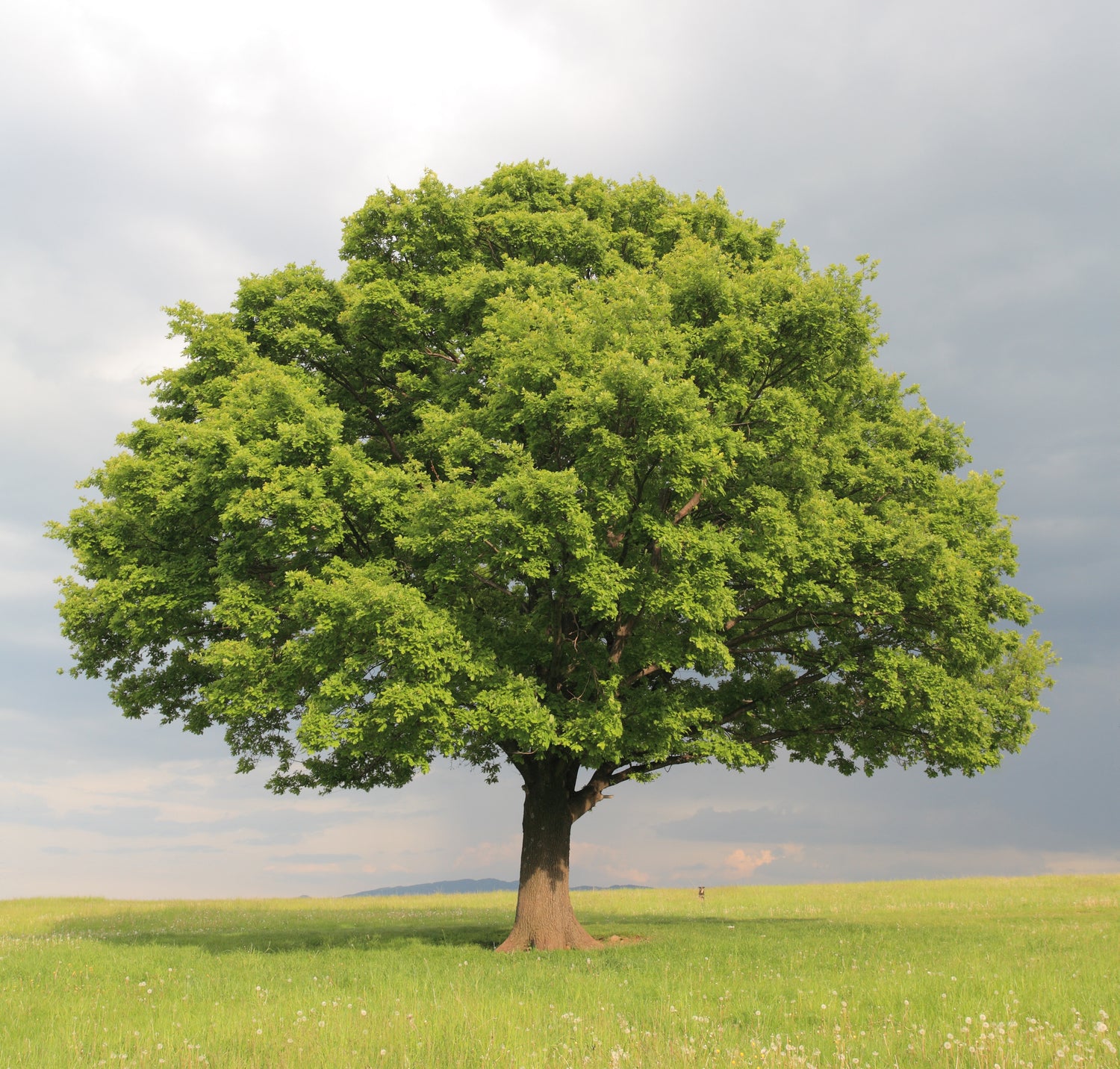
Black Walnut is the native Midwest nut tree — and one of the most ecologically and economically valuable trees in North America. It grows naturally throughout the Midwest in rich, deep soils, and is perfectly adapted to Midwest conditions. A mature Black Walnut is a magnificent tree: 50–75 feet tall with a broad, spreading crown, deeply furrowed dark bark, and large compound leaves that create beautiful dappled shade. You can explore our detailed guide on the unique benefits and uses of the Black Walnut tree for even more insight Black Walnut tree benefits guide.
The nuts are intensely flavored — richer and more complex than English walnuts — and are prized for baking, ice cream, and snacking. A mature tree produces 100–200+ pounds of nuts per year. Hardy in Zones 4–9.
Black Walnut and Juglone
Black Walnut produces a chemical called juglone that is toxic to many plants. Tomatoes, peppers, apples, blueberries, and many other plants will struggle or die if planted within the root zone of a Black Walnut (roughly 50–60 feet from the trunk). Keep Black Walnut away from vegetable gardens and fruit plantings. Most grasses, native plants, and many trees and shrubs are juglone-tolerant.
✅ In stock and ready to ship. Our Black Walnut Tree is the most valuable native nut tree you can plant in the Midwest — for food, wildlife, timber, and shade.
Shellbark Hickory — The Sweetest Native Nut

Shellbark Hickory produces the largest nuts of any native hickory — and many people consider them the sweetest and most flavorful of all native nuts. The rich, buttery flavor is exceptional — far better than store-bought pecans or walnuts. Wildlife absolutely love them: deer, turkeys, squirrels, and blue jays compete intensely for Shellbark Hickory nuts every fall.
Shellbark Hickory tolerates wet, clay soils well — one of the few hickories that does. It grows 60–80 feet tall with a straight, impressive trunk, excellent fall color, and distinctive shaggy peeling bark. Hardy in Zones 5–8.
✅ In stock and ready to ship. Our Shellbark Hickory Tree produces the sweetest native nuts in the Midwest — a long-term investment in food, wildlife, and beauty.
What to Know About Growing Hickory
- Patience required. Expect 10–15 years before meaningful crops — but once they start, they produce for centuries.
- Deep taproot. Plant young and in their permanent location — hickories don't transplant well once established.
- Plant two for best pollination. Hickories produce better crops with cross-pollination from a second tree nearby.
- Wildlife competition. Squirrels will harvest hickory nuts aggressively. Plan accordingly.
Pecan Tree — The Southern Midwest Nut

Pecan is actually native to the Midwest — growing naturally along river bottoms in Illinois, Indiana, Iowa, Missouri, and Kansas. Hardy pecan varieties can be grown successfully throughout much of the Midwest, performing best in Zone 5 and warmer where the growing season is long enough to fully ripen the nuts. A mature pecan tree can produce 50–150 pounds of nuts per year and grows 70–100 feet tall with a broad, spreading crown.
- Choose hardy varieties bred for northern climates with shorter growing seasons.
- Plant two trees — pecans require cross-pollination for good nut production.
- Deep, well-drained soil — avoid sites with hardpan or high water tables.
- Full sun required for good nut production.
Hardy in Zones 5–9. See our Pecan Tree for details.
Pawpaw — America's Most Unique Native Fruit Tree
Pawpaw Tree — Tropical Flavor, Midwest Hardy

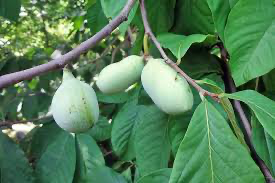
Pawpaw is the largest fruit native to North America — and one of the most unique and delicious fruits you can grow in the Midwest. The large, green fruits have a custard-like texture and a rich, tropical flavor often described as a cross between banana, mango, and vanilla. They're unlike anything you'll find in a grocery store — pawpaws are too delicate to ship commercially, so the only way to experience truly ripe pawpaws is to grow your own.
Pawpaw grows naturally in rich, moist bottomland forests throughout the Midwest. It grows 15–25 feet tall with large, tropical-looking leaves and interesting maroon flowers in spring. Hardy to Zone 5 (sometimes Zone 4).
✅ In stock and ready to ship. Our Pawpaw Tree is the most unique and delicious native food tree you can grow in the Midwest.
Pawpaw 'Pennsylvania Gold' — Named Variety for Superior Fruit

Pennsylvania Gold is a named pawpaw variety selected for exceptional fruit quality — large, golden-fleshed fruits with a rich, sweet flavor and fewer seeds than wild pawpaws. Grafted named varieties begin fruiting much sooner than seedling-grown pawpaws (typically 3–5 years vs. 7–10 years for seedlings) and produce more consistent, higher-quality fruit. See our Pawpaw 'Pennsylvania Gold' for details.
How to Grow Pawpaws in the Midwest
- Plant two for cross-pollination. Pawpaws require two genetically different trees for fruit production.
- Shade when young, sun when mature. Young trees prefer partial shade; established trees prefer full sun for maximum fruit.
- Rich, moist, well-drained soil. Amend with compost at planting and mulch heavily.
- Protect from deer. Use tree tubes or fencing until trees are established.
- Harvest timing is critical. Pawpaws ripen in September and have just 2–3 days of shelf life at room temperature. Check daily when fruit begins to soften.
Nut Tree Planting Guide for the Midwest
- Full sun for most nut trees. Black Walnut, Hickory, and Pecan need 6+ hours of direct sun. Pawpaw tolerates partial shade when young.
- Deep, well-drained soil. Most nut trees develop deep taproots and need deep soil without hardpan.
- Room to grow. Plant at least 30–40 feet from buildings, power lines, and other large trees.
- Plant young. Plant 1–2 year old trees in their permanent location for fastest establishment.
- Dig wide, not deep. 2–3 times wider than the root ball, no deeper. Read our full tree planting guide.
- Mulch generously. A wide ring of mulch dramatically improves establishment. Read our guide on proper mulching technique.
- Water consistently the first two seasons. Even drought-tolerant nut trees need regular water while establishing.
When Will Your Nut Trees Produce?
- Pawpaw (grafted variety): 3–5 years to first fruit
- Pawpaw (seedling): 7–10 years to first fruit
- Pecan: 5–8 years to first meaningful crop
- Black Walnut: 8–10 years to first meaningful crop
- Shellbark Hickory: 10–15 years to first meaningful crop
Nut trees require patience — but the wait is worth it. A Black Walnut or Hickory planted today will be feeding your family, your grandchildren, and the wildlife on your property for the next 100+ years. There's no better long-term investment in your land.
🌰 Ready to plant your nut trees?
Every nut tree in this guide ships directly to your door. The best time to plant a nut tree was 20 years ago. The second best time is today.
Shop Nut Trees →