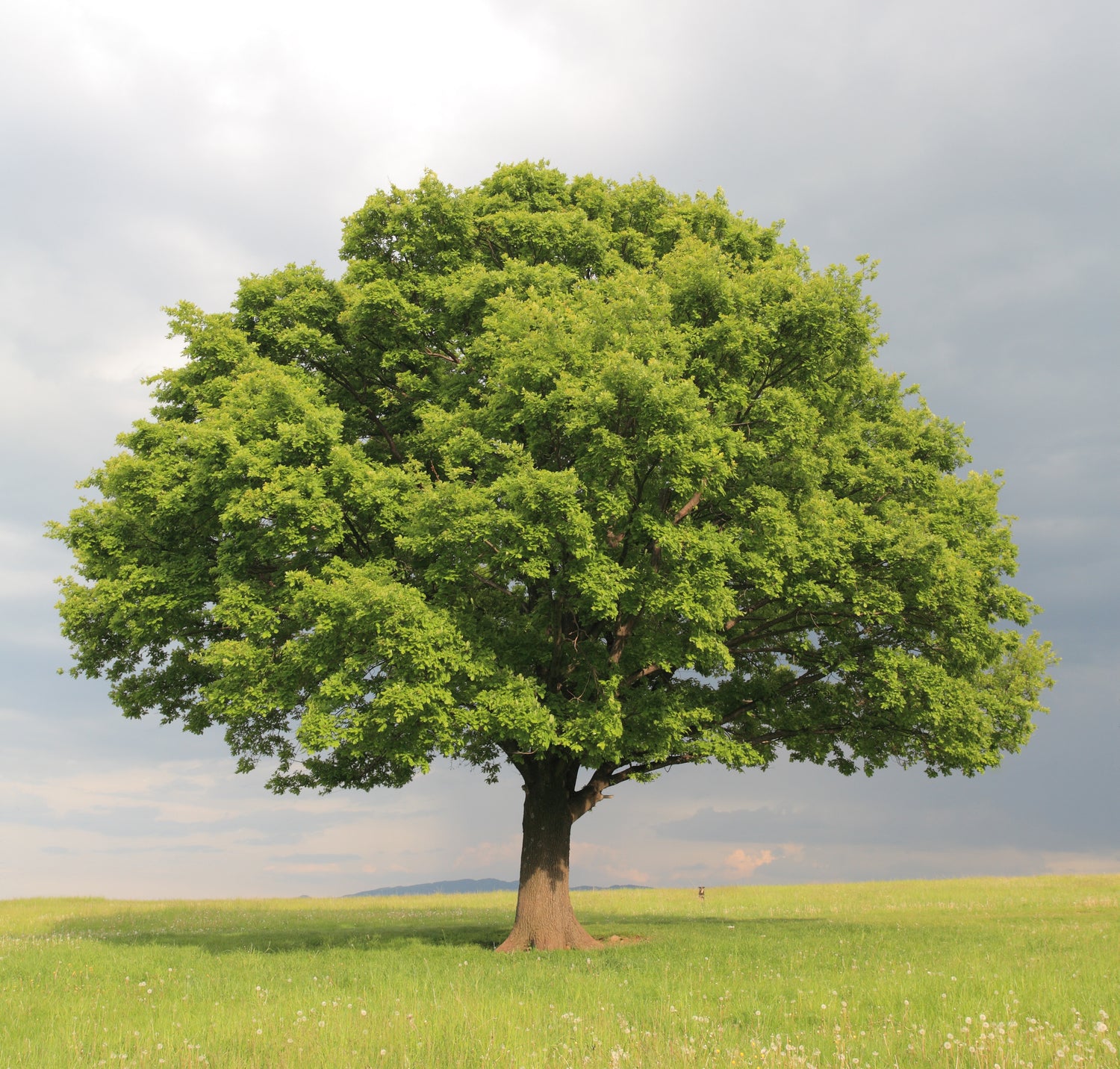
Shade is one of the most valuable things a tree can provide — it cools your home, reduces energy bills, creates comfortable outdoor living spaces, and transforms a bare yard into a beautiful landscape. But most people think of shade trees as a decades-long investment. The right fast-growing trees can deliver meaningful shade in just 5–10 years — and be truly magnificent in 15–20. If you're looking for trees that provide quick results and impact, this fast-growing trees for the Midwest dives deeper into your best options.
This guide covers the best fast-growing shade trees for the Midwest — trees that combine rapid growth with the toughness to handle Midwest winters, clay soils, and summer heat. Every tree ships directly from our nursery.
What Counts as "Fast-Growing" for a Tree?
In the tree world, growth rate is relative. Here's a useful framework:
- Slow-growing: Less than 12 inches per year (most oaks, Sugar Maple)
- Moderate-growing: 12–18 inches per year (Red Maple, most ornamental trees)
- Fast-growing: 2–3 feet per year (River Birch, Red Maple, Hackberry)
- Very fast-growing: 3–5+ feet per year (Silver Maple, Tulip Poplar, Sycamore)
The tradeoff: faster-growing trees often have softer wood and shorter lifespans than slow-growing trees. But many fast-growing trees — like Hackberry, Red Maple, and Northern Red Oak — combine good growth rates with excellent longevity and structural strength. These are the trees we focus on in this guide.
How Much Shade Do You Actually Need?
Before choosing a tree, think about what you're trying to shade:
- Shading a house: Plant on the south or west side for maximum summer cooling effect. A large tree on the west side can reduce summer cooling costs by 25–50%.
- Shading a patio or outdoor living area: Plant close enough that the canopy will extend over the area within 10–15 years. Consider the mature spread, not just the height.
- Shading a lawn: Spread multiple trees across the yard for dappled shade rather than one massive tree that creates deep shade everywhere.
- Blocking afternoon sun: The hottest sun comes from the west in the afternoon. West-side plantings have the biggest impact on summer comfort.
The Best Fast-Growing Shade Trees for the Midwest
Red Maple — The Best All-Around Fast Shade Tree

Red Maple is the best all-around fast-growing shade tree for the Midwest — combining a solid 2–3 feet of growth per year with excellent adaptability, stunning fall color, and a long lifespan. It handles clay soil, wet conditions, and a wide range of sites that would stress other maples. The brilliant red fall color is a bonus that makes it one of the most ornamentally valuable shade trees available.
Red Maple reaches 40–60 feet tall with a broad, rounded crown that provides excellent shade. It's also one of the first trees to bloom in spring — tiny red flowers appear in February or March before the leaves emerge, providing critical early nectar for pollinators. Hardy in Zones 3–9. Our Red Maple Tree is the top pick for fast, beautiful, long-lived shade in the Midwest.
River Birch — Fast Growth with Year-Round Beauty

River Birch grows 2–3 feet per year and delivers something most fast-growing shade trees don't: genuine year-round ornamental beauty. The peeling cinnamon-colored bark is stunning in winter, the airy canopy provides dappled shade in summer, and the golden fall color ties it all together. It's one of the most beautiful shade trees available at any growth rate.
River Birch is also one of the most adaptable shade trees for wet, clay soils — it grows naturally along riverbanks and in floodplains, making it perfect for low-lying areas and yards with drainage issues. Reaches 40–70 feet tall. Hardy in Zones 4–9. Our River Birch Tree is the most beautiful fast-growing shade tree for wet and clay sites.
Hackberry — The Toughest Fast Shade Tree in the Midwest

Hackberry is the shade tree that thrives where others fail. It handles compacted clay, periodic flooding, drought, urban pollution, wind, and extreme cold without complaint — and still manages to grow 1.5–2 feet per year and reach 40–60 feet tall with a broad, beautiful canopy. It's the tree that grows in the worst spots in the Midwest and still looks great. For a deeper dive into long-lived, wildlife-supporting shade trees in the Midwest, consider this long-lived Midwest oak trees and shrubs.
Hackberry is also a native Midwest tree with exceptional wildlife value — the small purple berries feed over 40 bird species, and the tree supports dozens of native butterfly and moth species as a larval host plant. If you have a difficult site where other trees have failed, Hackberry is your answer. Hardy in Zones 2–9. Our Hackberry Tree is the toughest fast-growing shade tree we carry.
Northern Red Oak — Fast for an Oak, Built to Last Centuries

Northern Red Oak is the fastest-growing of the large oaks — putting on 2 feet or more per year under good conditions — and it combines that growth rate with the structural strength, longevity, and wildlife value that only oaks can provide. A Red Oak planted today will still be providing shade, acorns, and wildlife habitat 200 years from now.
It grows 60–75 feet tall with a broad, rounded crown and delivers rich red fall color. It's adaptable to a wide range of soils and more tolerant of urban conditions than many other oaks. Hardy in Zones 3–8. Our Northern Red Oak Tree is the best choice when you want fast shade AND a tree that lasts for generations.
Tulip Poplar — The Tallest and Fastest Native Shade Tree

Tulip Poplar is one of the fastest-growing native trees in North America — capable of putting on 3–5 feet per year under ideal conditions — and it grows into one of the tallest and most majestic trees in the eastern Midwest, reaching 70–100 feet tall with a straight, columnar trunk and a high, spreading crown. The tulip-shaped yellow-green flowers in late spring are beautiful and attract hummingbirds and bees.
Tulip Poplar needs deep, well-drained soil and room to grow — it's not a tree for small yards. But on a large property or rural lot where you want fast, tall shade and a genuinely spectacular tree, nothing beats it. Hardy in Zones 4–9. Our Tulip Poplar Tree is the fastest-growing native shade tree we carry.
Silver Maple — The Fastest Shade Tree Available

Silver Maple is the fastest-growing maple available — capable of 3–5 feet of growth per year — and it reaches 50–80 feet tall with a broad, spreading crown that creates deep shade quickly. The silvery undersides of the leaves shimmer beautifully in the wind, giving the tree its name and a distinctive, attractive appearance.
Silver Maple is best suited to large properties where its aggressive root system and large size won't cause problems near foundations, sidewalks, or utilities. It's a native Midwest tree that handles wet soils and flooding exceptionally well. Hardy in Zones 3–9. Our Silver Maple Tree is the fastest shade tree we carry — ideal for large lots that need shade fast.
Bald Cypress — Fast Shade for Wet Sites

Bald Cypress grows 1.5–2 feet per year and eventually reaches 40–70 feet tall with a graceful, pyramidal form and soft, feathery foliage that creates beautiful dappled shade. It's the top choice for wet, waterlogged sites where most shade trees can't survive — it can stand in standing water for months without stress.
Despite its swamp origins, Bald Cypress also adapts well to normal, well-drained soils — making it one of the most versatile shade trees available. The russet-orange fall color is a beautiful bonus. Hardy in Zones 4–9. Our Bald Cypress Tree is the best fast shade tree for wet and problem sites.
Sycamore — The Massive Native Shade Giant

Sycamore is one of the largest and fastest-growing native trees in North America — capable of 3–5 feet of growth per year and eventually reaching 70–100 feet tall with a massive, spreading crown that creates deep shade over a huge area. The mottled white, gray, and tan bark is one of the most distinctive and beautiful of any tree, especially in winter when the canopy is bare.
Sycamore is best suited to large properties, parks, and rural settings where its massive size is an asset rather than a problem. It handles wet soils and periodic flooding well. Hardy in Zones 4–9. Our Sycamore Tree is the most massive fast-growing shade tree we carry — a true statement tree for large properties.
How to Choose the Right Shade Tree for Your Yard
By Yard Size
- Small yards (under 1/4 acre): River Birch, Red Maple — beautiful, manageable size
- Medium yards (1/4 to 1/2 acre): Red Maple, Hackberry, Northern Red Oak, Bald Cypress
- Large yards and rural properties: All of the above plus Silver Maple, Tulip Poplar, Sycamore
By Soil Condition
- Clay soil: Hackberry, Red Maple, River Birch, Pin Oak, Bald Cypress
- Wet or poorly drained soil: Bald Cypress, River Birch, Silver Maple, Sycamore, Hackberry
- Well-drained soil: All varieties perform well
- Drought-prone sites: Hackberry, Northern Red Oak
By Goal
- Fastest possible shade: Silver Maple, Tulip Poplar, Sycamore
- Best fall color: Red Maple, Northern Red Oak, River Birch
- Best wildlife value: Hackberry, Northern Red Oak
- Most adaptable to difficult sites: Hackberry, Bald Cypress
- Best long-term investment: Northern Red Oak (lives 200+ years)
- Most ornamentally beautiful: River Birch, Red Maple
Shade Tree Planting Tips
- Plant on the west or south side of your home for maximum summer cooling benefit. West-side shade reduces afternoon heat gain the most.
- Give large trees room to grow. Plant at least 15–20 feet from your house, 10 feet from property lines, and well away from underground utilities. Call 811 before digging.
- Dig wide, not deep. The planting hole should be 2–3 times wider than the root ball but no deeper. Set the root flare at or above grade. Read our full tree planting guide before you dig.
- Mulch generously. A wide ring of mulch (3–4 inches deep, kept away from the trunk) dramatically improves establishment and growth rate. Read our guide on proper mulching technique.
- Water consistently the first two seasons. Even drought-tolerant trees need regular water while establishing. Deep, infrequent watering encourages deep root development.
How Much Shade Will You Have in 10 Years?
Here's a realistic projection for each tree planted as a typical nursery-size tree:
- Silver Maple: 30–40 feet tall, 25–35 feet wide — significant shade over a large area
- Tulip Poplar: 30–50 feet tall, 15–20 feet wide — tall shade, narrower canopy
- Sycamore: 30–50 feet tall, 25–35 feet wide — massive shade
- Red Maple: 20–30 feet tall, 15–25 feet wide — good shade with beautiful fall color
- River Birch: 20–30 feet tall, 15–20 feet wide — dappled shade, beautiful bark
- Hackberry: 15–25 feet tall, 15–20 feet wide — solid shade on a tough, adaptable tree
- Northern Red Oak: 15–20 feet tall, 12–18 feet wide — building toward a century of shade
- Bald Cypress: 15–20 feet tall, 10–15 feet wide — graceful shade for wet sites
🌳 Ready to start growing your shade?
Every tree in this guide ships directly to your door. The best time to plant a shade tree was 10 years ago. The second best time is today.
Shop Shade Trees →