If you've been researching serviceberry trees, you've probably run into two names that keep coming up: Saskatoon Serviceberry and Downy Serviceberry. They're both serviceberries, they both produce delicious berries in June, and they both deliver spectacular spring flowers and fall color. So what's actually different between them — and which one is right for your yard? This detailed guide covers the distinctive characteristics and care requirements for each, which you can explore in depth through serviceberry tree complete growing guide.
This guide breaks down every meaningful difference between the two species so you can make the right choice for your space, your climate, and your goals.
Quick Comparison: Saskatoon vs. Downy Serviceberry
| Feature | Downy Serviceberry | Saskatoon Serviceberry |
|---|---|---|
| Scientific Name | Amelanchier arborea | Amelanchier alnifolia |
| Mature Height | 15–25 ft | 6–15 ft |
| Hardiness Zones | Zones 3–9 | Zones 2–6 |
| Berry Size | Medium (pea-sized) | Larger (blueberry-sized) |
| Berry Flavor | Sweet, blueberry-cherry | Sweet, almond-cherry |
| Fruit Production | Good | Excellent (heavier crops) |
| Drought Tolerance | Moderate | High |
| Shade Tolerance | Good (understory tree) | Prefers full sun |
| Native Range | Eastern North America | Western North America / prairies |
| Best Use | Specimen tree, woodland garden | Fruit production, edible hedge |
| Fall Color | Orange-red | Orange-red |
Downy Serviceberry: The Landscape Tree

Downy Serviceberry (Amelanchier arborea) is the classic eastern North American serviceberry — the species you'd find growing naturally along forest edges, stream banks, and woodland margins from the Appalachians to the Great Plains. It earns its name from the soft, downy fuzz on the new leaves that emerge alongside the spring flowers.
What Makes Downy Serviceberry Special
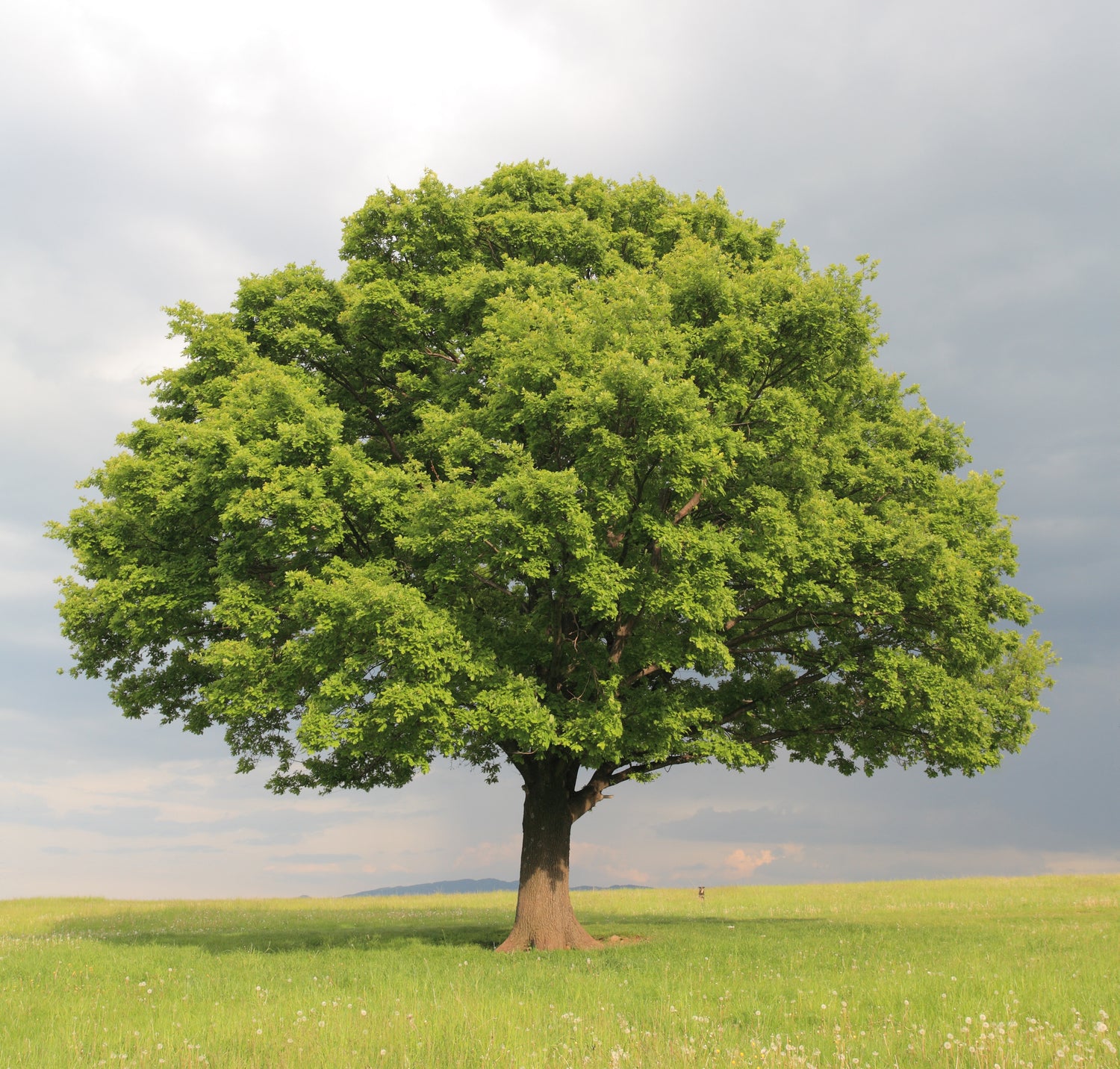
- Larger tree form. Downy Serviceberry grows 15–25 feet tall with a graceful, open, multi-stem form that works beautifully as a specimen tree. It has genuine presence in the landscape in a way that smaller shrubby serviceberries don't.
- Shade tolerance. Unlike most fruiting plants, Downy Serviceberry performs well in partial shade — making it one of the few edible plants that works under larger trees or on the north side of a building.
- Wider hardiness range. Hardy in Zones 3–9, Downy Serviceberry adapts to a broader range of climates than Saskatoon, including the warmer parts of the South and Pacific Coast.
- Wildlife magnet. The larger tree form provides more nesting habitat, and the fruit feeds over 30 bird species during the critical June migration window.

Who Should Plant Downy Serviceberry?
- You want a specimen tree with four-season ornamental interest
- You have a partially shaded spot under larger trees
- You live in Zone 7, 8, or 9 where Saskatoon doesn't thrive
- You want to support native wildlife with a keystone native plant
- You want a larger, more tree-like form rather than a shrubby plant
Saskatoon Serviceberry: The Fruit Producer

Saskatoon Serviceberry (Amelanchier alnifolia) is the western North American species — native to the Canadian prairies, Great Plains, and Rocky Mountain foothills. The city of Saskatoon, Saskatchewan is literally named after this plant, a testament to how important it was as a food source for Indigenous peoples of the region. Today it's grown commercially in Canada for its superior fruit production.
What Makes Saskatoon Serviceberry Special
- Larger, sweeter berries. Saskatoon berries are noticeably larger than Downy Serviceberry berries — closer to blueberry size — and have a distinctive sweet, almond-cherry flavor that many people prefer for fresh eating and baking.
- Heavier fruit production. Saskatoon is selected and grown commercially for fruit, meaning it produces heavier crops than the wild-type Downy Serviceberry. A mature Saskatoon planting can produce 10–20 pounds of berries per plant per year.
- Extreme cold hardiness. Hardy to Zone 2, Saskatoon handles the most brutal northern winters without damage — making it the go-to serviceberry for gardeners in the coldest parts of the country.
- Drought tolerance. Evolved on the dry Canadian prairies, Saskatoon is significantly more drought-tolerant than Downy Serviceberry once established.
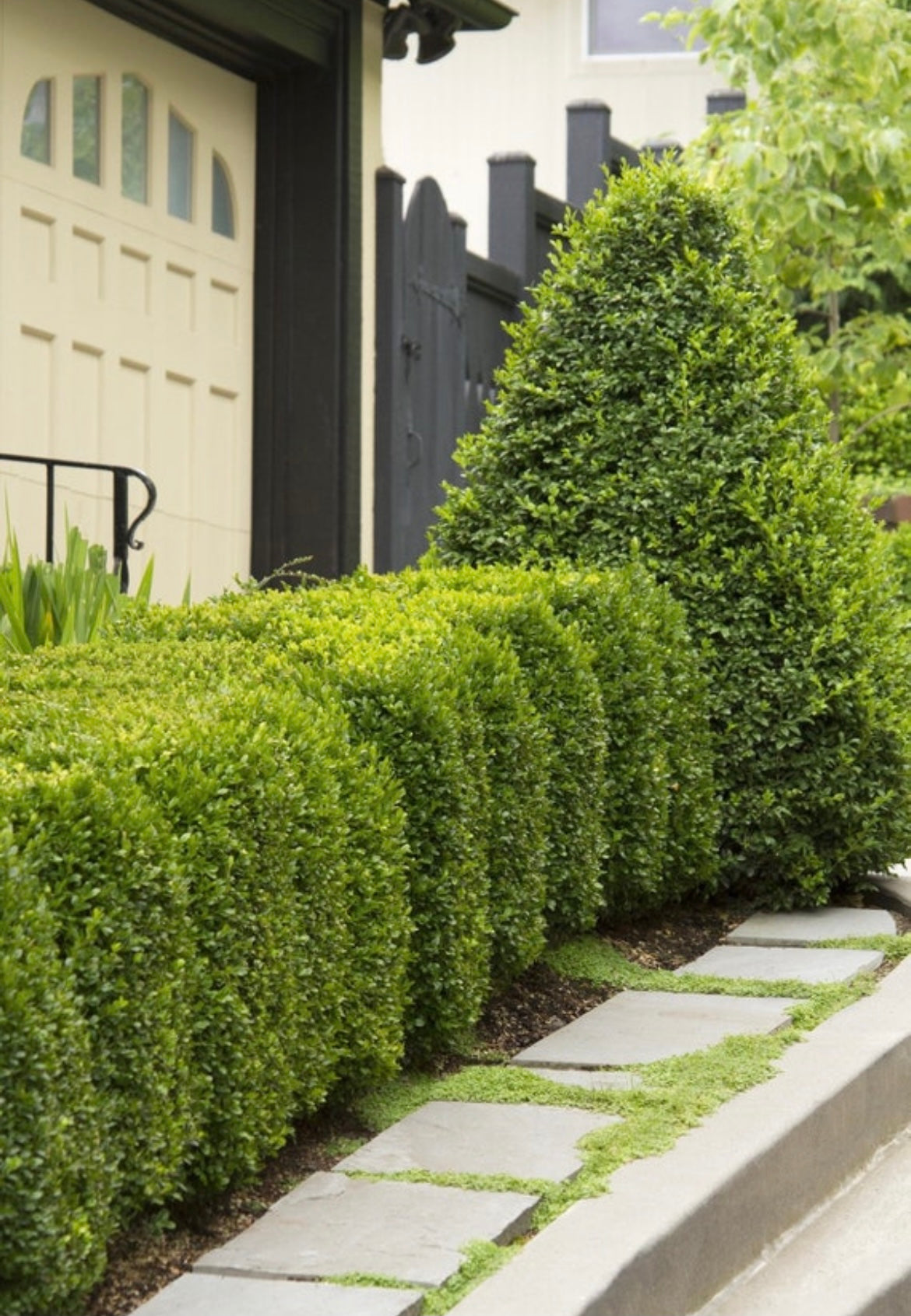
- Compact size. At 6–15 feet tall, Saskatoon fits into smaller spaces and works well as an edible hedge when planted in rows.

Who Should Plant Saskatoon Serviceberry?
- You want maximum fruit production for eating, baking, and preserving
- You live in Zones 2–6 and want the most cold-hardy option
- You have a dry site or sandy soil where Downy Serviceberry might struggle
- You want to plant a productive edible hedge in a row
- You have a smaller yard and need a more compact plant
- You want the largest, sweetest berries possible
✅ Shop Saskatoon Serviceberry →
The Flavor Difference: Which Tastes Better?
This is the question everyone wants answered — and the honest answer is that both are delicious, but they taste different enough that personal preference matters.
Downy Serviceberry has a flavor that most people describe as a blend of blueberry and cherry — sweet, slightly tart, and fruity. It's the flavor most people expect when they hear "serviceberry."
Saskatoon Serviceberry has a more complex flavor — sweet and rich with a distinctive almond or marzipan note that comes from the seeds. Many people find Saskatoon berries more interesting and prefer them for baking because the almond note pairs beautifully with pastry. The berries are also larger and meatier, which makes them easier to work with in the kitchen.
Our recommendation: If you can only plant one, Saskatoon wins on fruit quality and production. If you want the best of both worlds — a beautiful landscape tree AND great fruit — plant one of each. They bloom at the same time and cross-pollinate, improving yields on both plants.
Hardiness: Which Survives Colder Winters?
Saskatoon Serviceberry is the clear winner for cold hardiness — it's rated to Zone 2 (down to -50°F), making it one of the most cold-hardy fruiting shrubs available anywhere. If you're in Minnesota, Wisconsin, the Dakotas, Montana, or anywhere that sees brutal winters, Saskatoon is your serviceberry.
Downy Serviceberry is hardy to Zone 3 (down to -40°F) — still extremely cold-hardy, but not quite as bulletproof as Saskatoon in the most extreme northern climates.
For gardeners in Zones 7–9 — the warmer parts of the South, Pacific Coast, and Southwest — Downy Serviceberry is the better choice. Saskatoon requires a certain amount of winter chill to fruit well and doesn't perform as reliably in warm-winter climates.
Size: Which Fits Your Space?
This is often the deciding factor for home gardeners:
- Small yard or tight space: Saskatoon Serviceberry at 6–15 feet is the clear choice. It fits in foundation plantings, small garden beds, and narrow side yards where a 25-foot tree would be overwhelming.
- Average suburban yard: Either works. Downy Serviceberry makes a beautiful specimen tree; Saskatoon works as a productive shrub or hedge.
- Large property or naturalized area: Downy Serviceberry shines here — the larger tree form has more presence and provides more wildlife habitat at scale.
Can You Plant Both Together?
Absolutely — and we highly recommend it. Downy and Saskatoon Serviceberry bloom at the same time in spring, so they cross-pollinate each other and improve fruit set on both plants. Planting one of each gives you:
- A beautiful specimen tree (Downy) plus a productive fruit shrub (Saskatoon)
- Cross-pollination that boosts yields on both plants
- Two different berry flavors to enjoy and compare
- A longer harvest window (Saskatoon often ripens a few days earlier)
- Maximum wildlife value — more flowers for pollinators, more fruit for birds
The Verdict: Which Serviceberry Should You Plant?
- Plant Downy Serviceberry if: You want a specimen landscape tree, you have partial shade, you're in Zone 7–9, or you want the most wildlife-friendly native plant
- Plant Saskatoon Serviceberry if: You want maximum fruit production, you're in Zone 2–6, you have a dry site, or you want a compact edible hedge
- Plant both if: You have the space — they complement each other perfectly and cross-pollinate for better yields
🌳 Ready to order your serviceberry?
Both varieties ship directly to your door — ready to plant and start producing. Order one or order both!