One of the biggest mistakes we see people make after planting a new tree isn't planting it too deep or forgetting mulch. It's simply not watering correctly.
Here at Weaver Family Farms Nursery in Cairo, Missouri, we've planted thousands of trees over the years. Whether it's shade trees, flowering trees, fruit trees, native hardwoods, or evergreens, we've learned that the first year after planting often determines whether a tree thrives or struggles.
Newly planted trees don't have large root systems yet. They depend almost entirely on you to provide consistent moisture while those roots establish themselves. Unfortunately, many homeowners either water too often with very little water or wait until the tree already looks stressed.
That's exactly why we like slow release tree watering bags.
Instead of dumping water across the surface where much of it runs away or evaporates, a tree watering bag slowly releases water over several hours, allowing moisture to soak deeply into the root zone where it's actually needed.
After trying different watering methods over the years, we've become big fans of using tree watering bags for newly planted trees. They make watering easier, more consistent, and much more effective. Another watering option that provides gradual soil moisture like watering bags is found in our article about the best soaker hose for gardens and trees best soaker hose for gardens and trees. For those interested in exploring other efficient watering solutions, our review of the best drip irrigation kit complements this approach review of the best drip irrigation kit.
Our Favorite Tree Watering Bag
If you're planting several trees this season, one of our favorite options is this 12-Pack Slow Release 20-Gallon Tree Watering Bag Set. Each bag slowly releases water over several hours instead of flooding the soil all at once, helping young trees establish stronger root systems while reducing the amount of daily maintenance required.
For homeowners planting multiple trees, privacy screens, orchards, or landscape projects, we think these bags offer an excellent combination of convenience and value.
Why Newly Planted Trees Need Extra Water
When a tree is dug from a nursery, whether it's container-grown or bare root, it loses access to much of its established root system.
Although the top of the tree may look healthy, its roots need time to spread into the surrounding soil.
Until that happens, the tree depends on consistent watering.
Missing just a week or two during hot summer weather can put tremendous stress on a young tree.
That's especially true for many of the trees we grow here at Weaver Family Farms Nursery including maples, oaks, dogwoods, redbuds, pawpaws, fruit trees, and evergreen privacy trees.
If you're planting this season, our guide on how to care for your new tree covers several additional steps that help young trees establish faster.
What Is a Tree Watering Bag?
A tree watering bag is exactly what it sounds like.
It's a heavy-duty bag that wraps around the base of a newly planted tree and slowly releases water through small openings over several hours.
Rather than dumping twenty gallons onto the surface all at once, the water slowly penetrates the soil, encouraging deeper root growth.
This slow soaking process is one of the biggest reasons watering bags are so effective.
Why Slow Watering Works Better
Think about what happens during a heavy rainstorm.
If rain falls faster than the soil can absorb it, much of the water simply runs away.
The same thing happens when someone empties a bucket or leaves a hose running too quickly.
Slow release watering gives the soil time to absorb moisture gradually.
Instead of staying near the surface, the water moves deeper into the root zone where developing roots can actually use it.
That's exactly what young trees need during their first growing season.
How We Use Watering Bags Around Our Nursery
Although we have larger irrigation systems for portions of our nursery, watering bags are incredibly useful whenever we plant new specimen trees, landscape trees, or demonstration plantings.
They're especially helpful during the hottest parts of summer when evaporation rates are high.
Instead of standing with a hose for twenty minutes, we can fill the bag and move on to the next project while the tree receives a long, slow drink.
It's a much more efficient use of time while providing better watering consistency.
Perfect for Many of the Trees We Sell
One reason we recommend watering bags so often is because they work with nearly every tree we grow.
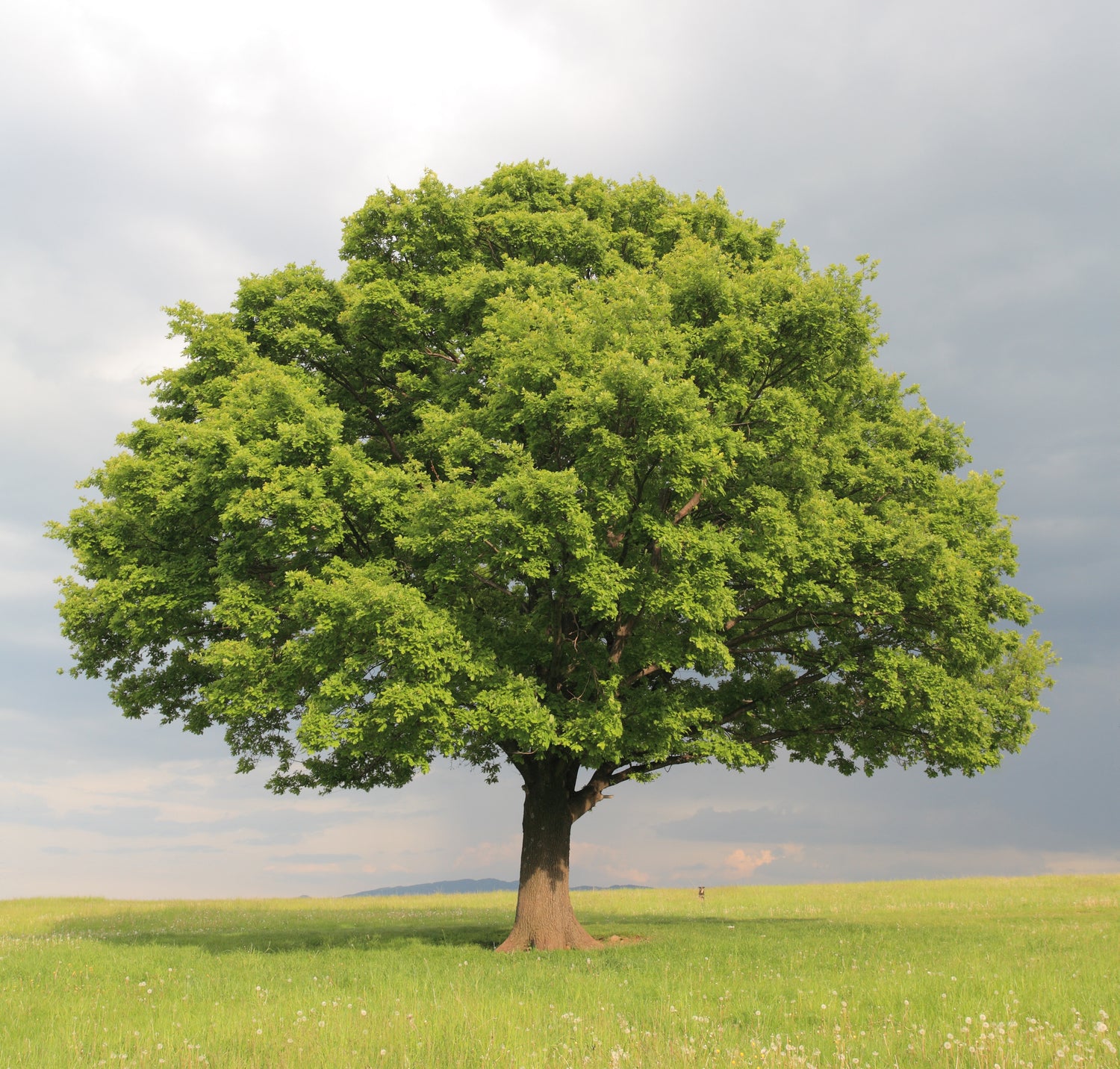
For example, they're an excellent companion for our Red Maple trees, especially during the first summer after planting when regular watering is essential.
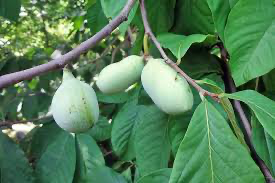
They're equally helpful for newly planted White Dogwood trees, Pawpaw trees, fruit trees, oaks, birches, and many other species that benefit from consistent soil moisture while establishing.
Benefits of Tree Watering Bags
There are several reasons we've become such big fans of watering bags over the years.
- Encourages deep root growth.
- Provides slow, even watering.
- Reduces water runoff.
- Helps conserve water.
- Saves time compared to standing with a hose.
- Reduces transplant shock.
- Makes watering more consistent.
- Ideal for homeowners with busy schedules.
Great for Large Landscaping Projects
If you're planting several trees at once, watering each one individually with a hose can become a full-time job.
That's one reason we like this 12-pack tree watering bag set. Having multiple bags allows you to water an entire row of newly planted trees at the same time.
Whether you're creating a windbreak, planting privacy trees, starting an orchard, or landscaping a new home, watering bags can save hours of work over the course of the season.
Perfect for Privacy Trees
Privacy trees often represent one of the largest landscaping investments homeowners make.
Helping those trees establish quickly is worth the extra effort.
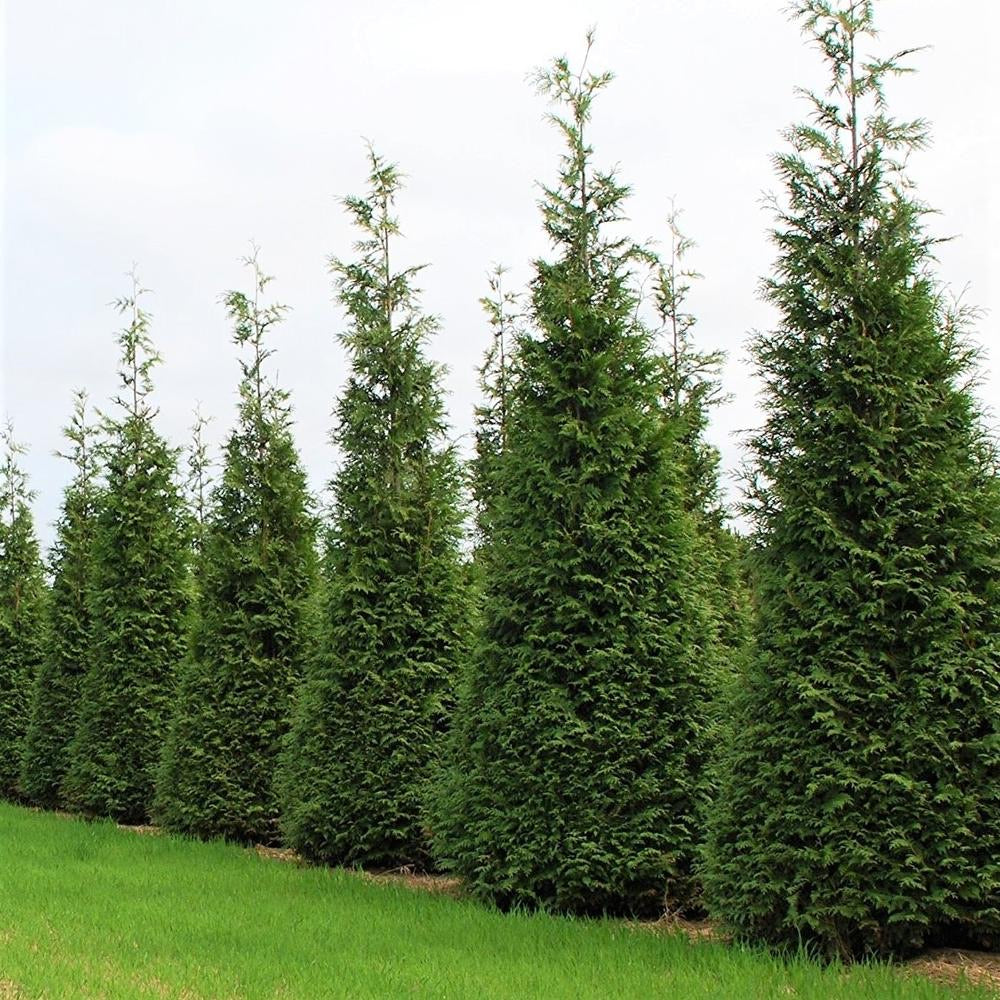
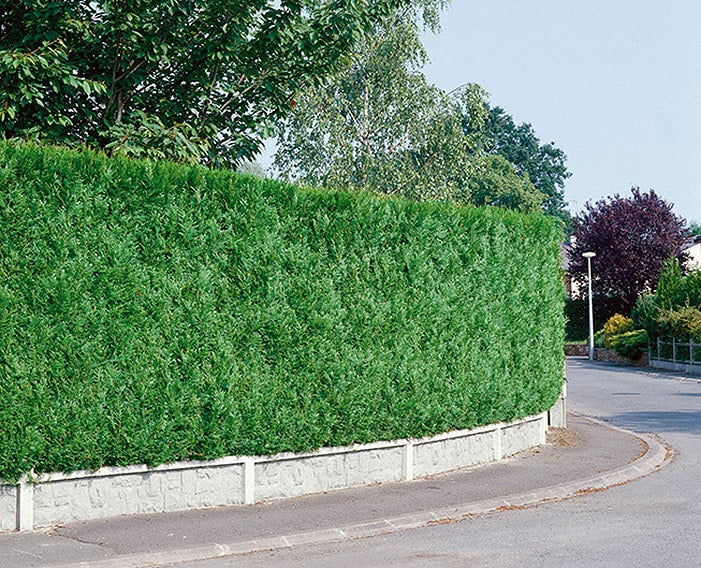
If you're planting fast-growing evergreens like our Green Giant Arborvitae, consistent watering during the first year can dramatically improve establishment and overall growth.
Watering Bags Help Reduce Transplant Shock
Every newly planted tree experiences some level of transplant shock.
That's completely normal.
The goal is to minimize stress while encouraging the roots to begin growing into the surrounding soil.
Consistent moisture plays one of the biggest roles in helping that happen.
A watering bag doesn't eliminate transplant shock, but it does help create much more consistent soil moisture than occasional watering with a hose.
They Pair Perfectly With Proper Mulching
Watering bags work even better when combined with proper mulch.
A two to four inch layer of mulch helps reduce evaporation, moderate soil temperatures, and suppress weeds that compete with young trees for moisture.
Just remember not to pile mulch directly against the trunk.
If you're unsure why that matters, we explain everything in our article about why mulch volcanoes can seriously damage young trees.
How to Install a Tree Watering Bag
One of the things we like most about tree watering bags is how simple they are to use. You don't need special tools or irrigation experience. Most homeowners can have one installed in just a few minutes.
Step 1: Place the Bag Around the Trunk
Open the zipper and wrap the watering bag around the base of your newly planted tree. Make sure the bottom of the bag rests evenly on the ground so water releases uniformly around the root zone.
Step 2: Zip the Bag Closed
Once the bag is positioned correctly, zip it completely shut around the trunk. The fit should be snug enough to stay upright but not so tight that it presses against or damages the bark.
Step 3: Fill the Bag Slowly
Using a garden hose, begin filling the bag. Most bags stand up on their own as they fill with water. Filling slowly also gives you an opportunity to check that everything is positioned correctly.
Step 4: Let the Bag Do the Work
Instead of emptying all the water at once, the bag gradually releases moisture over several hours. During that time, the soil absorbs water much more efficiently than it would from a quick soaking with a hose.
How Often Should You Fill a Tree Watering Bag?
This is probably the question we hear most often at our nursery.
Unfortunately, there isn't one perfect answer because every property is different.
Several factors influence how often your tree needs water, including:
- Tree species
- Tree size
- Soil type
- Daily temperatures
- Rainfall
- Wind
- Amount of mulch
As a general rule, newly planted trees usually benefit from deep watering one or more times each week during their first growing season, with more frequent watering during extended periods of hot, dry weather.
Instead of watering on a fixed schedule, we recommend checking the soil first.
Why We Recommend Checking Soil Moisture
Guessing almost always leads to overwatering or underwatering.
That's why we recommend using a soil moisture meter whenever possible.
It's one of the easiest ways to know what's actually happening beneath the surface.
We've had great success using the YAMRON 4-in-1 Soil Moisture Meter. It measures soil moisture, pH, temperature, and sunlight, making it one of our favorite tools for monitoring newly planted trees as well as blueberries, honeyberries, and many other landscape plants.
Watering Bags Save More Water Than You Might Think
Another benefit many people don't consider is water conservation.
When you spray a hose around a tree, a surprising amount of water evaporates or runs away before it can soak into the soil.
Because watering bags release moisture slowly, far less water is wasted.
That's especially valuable during dry summers when every gallon counts.
Ideal for Busy Homeowners
Life gets busy.
Between work, family, sports, vacations, and everything else, it's easy to forget to water a newly planted tree.
A watering bag doesn't completely eliminate the need to monitor your trees, but it does make watering much easier to remember.
Instead of standing with a hose every few days, you simply fill the bag and let gravity handle the rest.
Great for Fruit Trees
Fruit trees often benefit tremendously from consistent watering during establishment.
Whether you're planting apples, pears, peaches, pawpaws, or cherries, keeping the soil evenly moist helps reduce stress while encouraging healthy root development.
Many homeowners begin with one or two trees before eventually expanding into a backyard orchard.
If you're still deciding which varieties to grow, take a look at our guide covering our favorite apple trees for home orchards.
Excellent for Native Trees
People are sometimes surprised when we recommend watering bags for native trees.
After all, aren't native trees adapted to local conditions?
They are.
But during the first year after planting, even native species haven't yet developed extensive root systems.
Whether you're planting an oak, hickory, hackberry, black gum, sycamore, or bald cypress, consistent watering during establishment is still incredibly important.
Don't Forget About Weed Control
Water isn't the only thing competing for your tree's attention.
Grass and weeds surrounding the trunk steal tremendous amounts of moisture and nutrients.
Keeping a weed-free mulch ring around your newly planted tree helps maximize every gallon of water your watering bag delivers.
The combination of mulch plus slow-release watering is one of the best things you can do during the first growing season.
Common Watering Mistakes We See
Over the years we've noticed several mistakes homeowners make again and again.
Watering Every Day
Frequent shallow watering encourages shallow roots.
Deep watering less often usually produces much healthier root systems.
Only Watering the Surface
If only the top inch of soil gets wet, roots have little reason to grow deeper.
Watering bags encourage moisture to move much farther into the soil profile.
Ignoring Rainfall
Always adjust your watering schedule after heavy rains.
Waterlogged soil can be just as stressful as dry soil.
Waiting Until Leaves Wilt
Once leaves begin wilting, the tree is already experiencing stress.
Consistent watering helps prevent that situation altogether.
Who Benefits Most From Tree Watering Bags?
While almost any newly planted tree can benefit, we especially recommend them for:
- New homeowners landscaping their yard
- Backyard orchard growers
- Privacy tree plantings
- Windbreak projects
- Native tree restoration projects
- Commercial landscape installations
- Parks and schools
- Anyone planting multiple trees at once
One Tool We Think Every Tree Owner Should Have
If you're planting trees this year, a quality watering bag is one of those inexpensive tools that can make a huge difference during the most important stage of a tree's life.
We like the 12-Pack Slow Release Tree Watering Bag Set because it makes deep watering simple while helping eliminate much of the guesswork that comes with caring for newly planted trees.
Combined with proper planting, good mulch, and routine monitoring, these watering bags can help give your trees the strong start they deserve.
Frequently Asked Questions About Tree Watering Bags
Do tree watering bags really work?
Yes, when used correctly they can be one of the easiest ways to water newly planted trees. Instead of flooding the soil all at once, watering bags slowly release water over several hours, allowing moisture to soak deeply into the root zone. We've found they're especially helpful during the first growing season when young trees are establishing new roots.
How long should I use a tree watering bag?
Most newly planted trees benefit from using a watering bag throughout their first growing season. Larger trees, difficult planting sites, or areas with frequent drought may benefit from continued use during the second season as well.
Can you leave a tree watering bag on all the time?
Most watering bags are designed to remain around the trunk while the tree is establishing. We still recommend checking the bag regularly for proper drainage, inspecting the trunk periodically, and removing the bag once the tree has become well established.
Will a watering bag overwater my tree?
Not by itself. The bag simply delivers the water you put into it. That's why it's still important to monitor soil moisture and adjust your watering schedule based on rainfall, temperatures, and your soil conditions.
Can watering bags be used on mature trees?
They're most effective on newly planted and recently transplanted trees. Mature trees have much larger root systems that extend well beyond the trunk, making watering bags less beneficial compared to deep watering over a larger area.
Do watering bags work in clay soil?
Yes. In fact, the slow release design often works even better in heavy clay because the water has more time to soak into the ground instead of running across the surface.
Can I use fertilizer with a watering bag?
We generally recommend following the fertilizer manufacturer's directions rather than adding fertilizer directly into the watering bag unless it's specifically designed for that purpose. Newly planted trees often need consistent moisture more than heavy fertilization.
Should I mulch around a tree watering bag?
Absolutely. Mulch and watering bags work very well together. Just remember to keep mulch a few inches away from the trunk itself to reduce the risk of rot, insects, and disease.
Our Tips for Helping New Trees Thrive
We've planted enough trees over the years to know that success usually comes from consistently doing the little things right instead of searching for one magic solution.
Plant the tree at the proper depth.
Water deeply instead of frequently.
Apply mulch correctly.
Keep weeds away from the trunk.
Protect young trees from deer and rabbits if they're a problem in your area.
Inspect your trees every week instead of waiting until they show signs of stress.
If you're planting several trees this season, you may also find our article about choosing the best cordless pole saw for trimming trees helpful once your trees mature and eventually need routine pruning.
Why We Recommend Slow Release Watering Bags
As a small family nursery, we don't recommend products simply because they're popular. We recommend products that solve real problems for gardeners and homeowners.
Keeping a newly planted tree alive during its first summer is one of the biggest challenges many people face. Trees are a long-term investment, and losing one because it didn't receive enough water during its establishment period is frustrating and expensive.
That's why we've become such fans of slow release watering bags. They simplify one of the most important jobs you'll have after planting while encouraging healthier root development at the same time.
For anyone planting multiple trees, whether it's a backyard orchard, privacy screen, windbreak, or a few shade trees around the yard, we think the 12-Pack Slow Release 20-Gallon Tree Watering Bag Set is an excellent investment. The bags are easy to install, hold plenty of water, and slowly release moisture where your trees need it most.
We've found they're one of the simplest ways to improve watering consistency without spending hours standing beside a hose, and that's something just about every homeowner can appreciate.
Tree Watering Bag vs Garden Hose
Many people wonder if a tree watering bag is really any better than simply dragging a garden hose across the yard.
While both methods can provide enough water when done correctly, we've found watering bags usually produce more consistent results for newly planted trees because they remove much of the guesswork.
When using a hose, it's easy to water too quickly. The surface becomes soaked, but much of the water runs away before it has time to reach the deeper roots.
A watering bag solves that problem by slowly releasing water over several hours. Instead of rushing across the soil surface, the moisture gradually works its way deeper into the root zone where young roots are actively growing.
It's also much easier for busy homeowners. Rather than standing beside a tree holding a hose for fifteen or twenty minutes, you simply fill the bag and move on to your next project while the tree continues watering itself.
Tree Watering Bag vs Drip Irrigation
Both drip irrigation systems and watering bags are excellent ways to establish new trees, but they serve slightly different purposes.
If you're planting one or two landscape trees, watering bags are often the simplest solution. They require almost no setup and can be installed in just a few minutes.
For larger orchards or long rows of privacy trees, drip irrigation eventually becomes more practical because it can automate watering for dozens or even hundreds of trees at once.
Many homeowners actually start with watering bags during the first year while the trees establish, then transition to drip irrigation later as their landscape matures.
How Much Water Does a Newly Planted Tree Need?
The exact amount depends on the species, weather, soil, and tree size, but one thing remains consistent—young trees benefit far more from deep watering than frequent shallow watering.
Large shade trees generally need more water than small ornamental trees simply because they have larger root balls and more foliage to support.
During periods of extreme summer heat, you may also need to increase watering frequency. On the other hand, several inches of steady rainfall may allow you to skip an entire watering cycle.
That's another reason we recommend checking soil moisture instead of following a strict calendar.
Watering Different Types of Trees
Fruit Trees
Fruit trees appreciate consistent moisture while developing strong root systems. Water stress during the first season can slow growth and delay future fruit production.
Shade Trees
Maples, oaks, sycamores, tulip poplars, and other shade trees often establish much faster when they receive slow, deep watering throughout their first summer.
Flowering Trees
Dogwoods, redbuds, magnolias, and other flowering trees are especially sensitive to drought stress immediately after planting. Consistent watering helps reduce transplant shock and encourages healthy growth.