Why Nanking Cherry Is One of the Best Wildlife Plants You Can Grow
Nanking cherry (Prunus tomentosa) punches well above its weight as a wildlife plant. It blooms early — often before most other shrubs — feeding pollinators when food is scarce. It produces an enormous crop of small red cherries that birds absolutely hammer. And its dense, thorny branching provides nesting cover and protection that songbirds actively seek out.
If you want to attract more birds, support pollinators, and create genuine backyard habitat, Nanking cherry belongs in your landscape.
Spring: The Pollinator Explosion

Nanking cherry blooms in early spring — typically March to April depending on your zone — often before most other flowering shrubs have leafed out. This timing is critical for pollinators: early-emerging bees, native bumblebees, and honeybees are actively foraging but food sources are still scarce.
Pollinators attracted to Nanking cherry:
- Honeybees — heavy visitors; the blossoms are a significant early nectar and pollen source
- Native bumblebees — queen bumblebees emerging from winter hibernation rely on early bloomers to build energy before establishing colonies
- Mason bees — excellent pollinators that time their emergence to coincide with early spring blooms
- Mining bees and sweat bees — numerous native bee species visit the flowers
- Butterflies and moths — early-season species including mourning cloaks and spring azures
A mature Nanking cherry in full bloom is genuinely spectacular — the entire shrub turns white with flowers before the leaves emerge, and the hum of bees working the blossoms is audible from several feet away.

↑ New to Nanking cherry? Read our Complete Nanking Cherry Growing Guide — planting, care, spacing, and variety selection.
Summer: The Bird Buffet
Nanking cherry ripens in late June through July — earlier than most other fruiting shrubs. That early ripening is a major wildlife advantage: birds are actively feeding young and need high-energy food, and Nanking cherry delivers it before most other berries are available. For detailed advice on planting and care to support fruit production and wildlife, consult our comprehensive Nanking cherry complete growing guide.
Birds that eat Nanking cherry:
- American Robin — one of the most enthusiastic consumers; flocks will strip a mature shrub in days
- Cedar Waxwing — travels in flocks specifically to find fruiting shrubs; Nanking cherry is a favorite
- Gray Catbird
- Brown Thrasher
- Northern Mockingbird
- House Finch and Purple Finch
- Baltimore Oriole — attracted to the red fruit color
- Swainson’s Thrush and Veery — during migration, fruiting shrubs are critical refueling stops
💡 Pro tip: Plant at least two Nanking cherry shrubs for cross-pollination and maximum fruit production. Two shrubs together produce dramatically more than one — more food for wildlife and more for you to harvest.

↑ Want to know more about this underrated shrub? Read What Is a Nanking Cherry? — flavor, history, and why it’s so underrated.
Nesting Cover: Why Birds Choose Dense Shrubs
Beyond food, Nanking cherry provides something equally valuable to birds: dense, thorny nesting cover. The shrub’s branching structure and thorny stems create a protected interior that predators — cats, raccoons, squirrels — have difficulty penetrating.
Birds that nest in or near Nanking cherry:
- Gray Catbird — strongly prefers dense shrubs for nesting; Nanking cherry is ideal habitat
- Yellow Warbler
- Common Yellowthroat
- Song Sparrow
- American Robin — will nest in the outer branches of larger shrubs
A mature Nanking cherry hedge — two or more shrubs planted 4–6 feet apart — creates a wildlife corridor that birds use for both nesting and foraging throughout the season.
Fall and Winter: Lingering Habitat Value
After the fruit is gone, Nanking cherry continues to provide habitat value through fall and winter:
- Dense branching provides roosting cover and wind protection for overwintering birds
- Seed dispersal — birds that eat the cherries spread seeds, supporting natural regeneration
- Insect habitat — the bark and stems harbor overwintering insects that become food for woodpeckers and nuthatches
Nanking Cherry as a Wildlife Hedge
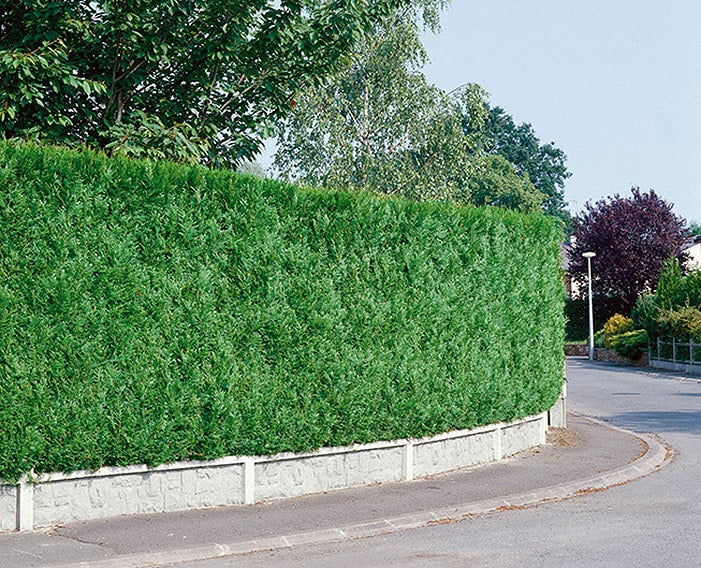
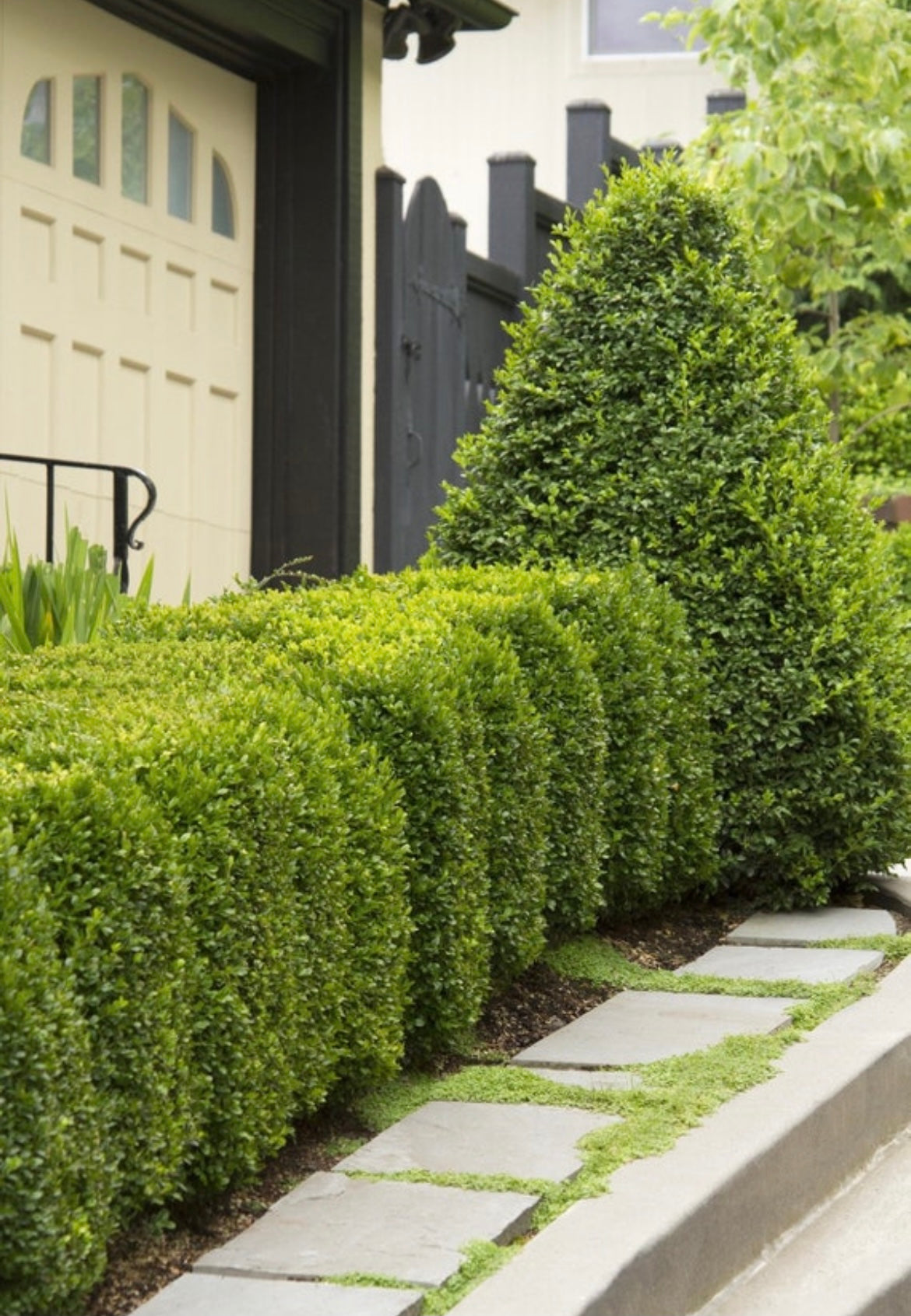
Planted in a row, Nanking cherry makes an outstanding wildlife hedge that provides food, nesting cover, and movement corridors for birds and small mammals. It grows 6–10 feet tall and wide, so a row of shrubs planted 5–6 feet apart creates a dense, impenetrable thicket within 3–4 years.
Don’t Let the Harvest Go to Waste
If the birds don’t get every cherry, Nanking cherry produces an enormous crop that’s excellent for jams, jellies, syrups, pies, and wine. The fruit ripens all at once, so having a plan for the harvest is worth thinking about before the season hits.

↑ Beat the birds to the harvest! See our Nanking Cherry Jam Recipe & Harvest Guide — jam, jelly, syrup, pie, wine, and more.
Growing Nanking Cherry: Quick Care Guide
Nanking cherry is one of the easiest fruiting shrubs you can grow:
- Sun: Full sun to partial shade — best fruit production in full sun
- Soil: Adaptable to most soils including clay and sandy soils; excellent drought tolerance once established
- Water: Minimal once established — one of the most drought-tolerant fruiting shrubs available
- Zones: Hardy to Zone 2 — one of the most cold-hardy fruiting shrubs you can grow
- Size: 6–10 ft tall and wide at maturity
- Pollination: Plant two or more for best fruit production
- Pruning: Minimal — remove dead wood and shape after flowering if needed
Frequently Asked Questions
Do birds eat Nanking cherries?
Yes — enthusiastically. Robins, cedar waxwings, catbirds, orioles, thrushes, and many other species eat Nanking cherries. A mature shrub in fruit will attract a wide variety of birds, and flocks of waxwings can strip a shrub in a single visit.
Is Nanking cherry good for pollinators?
Excellent. It blooms early in spring when food is scarce, providing nectar and pollen for honeybees, native bumblebees, mason bees, and many other pollinator species. It’s one of the most valuable early-season pollinator plants you can add to a landscape.
Do I need two Nanking cherry plants for fruit?
For maximum fruit production, yes. Nanking cherry is self-fertile but produces significantly more fruit when cross-pollinated with a second plant. Two shrubs planted within 50 feet of each other will produce dramatically more fruit than a single plant.
How big does Nanking cherry get?
Nanking cherry typically grows 6–10 feet tall and 6–10 feet wide at maturity. It can be kept smaller with annual pruning after flowering, but its natural form is a large, rounded shrub that provides excellent wildlife cover.
Is Nanking cherry invasive?
Nanking cherry is not considered invasive in most of the US. Birds do spread seeds which can result in seedlings appearing nearby, but it does not spread aggressively or outcompete native vegetation the way truly invasive species do.
Shop Nanking Cherry at Weaver Family Farms
More Nanking Cherry Resources
Nanking Cherry Complete Growing Guide → What Is a Nanking Cherry? → Nanking Cherry Jam & Harvest Guide →
About the Author
Dax Weaver is the owner of Weaver Family Farms Nursery, a family-run nursery specializing in fruit trees, berry plants, and privacy evergreens shipped direct to homeowners across the US. Dax has spent years growing and studying the plants he sells, with a focus on helping customers choose the right variety for their specific site, zone, and goals. When he’s not in the nursery, he’s writing practical growing guides based on real-world experience — not just what the textbooks say.