If there's one gardening tool we reach for more than any other around our nursery, it's a good pair of hand pruners.
Whether we're shaping young shade trees, removing damaged branches, pruning fruit trees, trimming shrubs, or cleaning up berry bushes, quality bypass pruners get used almost every single day.
We've tried inexpensive pruners over the years, and while they may work for a season or two, they often become dull quickly, develop loose blades, or simply aren't comfortable enough for long pruning sessions.
That's why we've become believers in spending a little more on a quality pair that will last for years instead of replacing cheap pruners every spring.
If you're only going to own one pair of hand pruners, we think it's worth buying a good one. Choosing the right tools including how to prune fruit trees and berry bushes makes all the difference for effective pruning.
After years of maintaining trees here at Weaver Family Farms Nursery, this is the pair we recommend most often.
Our Favorite Hand Pruners
If you're looking for one pair of pruning shears that can handle almost every routine pruning job around your yard, we highly recommend the Haus & Garten ClassicPRO Titanium Bypass Pruning Shears.
They feature sharp high-carbon steel blades with a titanium coating, comfortable ergonomic handles, clean bypass cuts, and enough cutting power for most branches homeowners encounter while maintaining trees and shrubs.
They're the type of pruners you buy once and continue reaching for season after season.
Why Good Hand Pruners Matter
Many people don't realize just how much damage dull or poorly made pruners can cause.
Instead of making one smooth cut, cheap blades often crush or tear living wood.
Those rough wounds take longer to heal and can leave the tree more vulnerable to insects and disease.
A sharp bypass pruner slices cleanly through live branches, allowing the tree to seal the wound much faster.
Healthy pruning cuts are one of the simplest ways to keep trees vigorous for years to come.
What Makes Bypass Pruners Better?
When shopping for hand pruners, you'll usually see two main styles.
- Bypass pruners
- Anvil pruners
While both have their place, we recommend bypass pruners for nearly every live tree, shrub, and perennial in the landscape.
Bypass pruners work much like a pair of scissors. One sharpened blade passes closely beside another curved blade, producing a clean slicing cut.
Anvil pruners work differently. The blade closes against a flat surface, which tends to crush woody stems rather than slice cleanly.
For removing dead branches around the yard, anvil pruners are perfectly acceptable. But when you're pruning healthy, living wood, bypass pruners are almost always the better choice.
Why We Like the Haus & Garten ClassicPRO
We've handled a lot of pruning shears over the years, and there are several reasons this model stands out.
Extremely Sharp Blades
The titanium-coated high-carbon steel blade stays sharp much longer than many bargain pruners we've used.
Sharp blades make pruning easier while producing cleaner cuts that help trees recover more quickly.
Comfortable Handles
If you're pruning for several hours, comfortable handles make a huge difference.
The ergonomic grip reduces hand fatigue, especially when working through dozens of shrubs or young trees.
Excellent Build Quality
One thing we appreciate is that these don't feel flimsy.
The forged aluminum handles give the pruners a solid feel without making them overly heavy.
Replacement Parts
Another nice feature is the ability to replace wear items like blades and springs instead of replacing the entire tool.
That helps extend the life of the pruners while saving money over time.
Perfect for Homeowners
One reason we recommend these pruners so often is because they aren't just designed for professional landscapers.
They're equally useful for homeowners maintaining a few landscape trees, backyard gardeners growing fruit trees, or anyone who enjoys spending weekends working in the yard.
Whether you're removing suckers from an apple tree, shaping a dogwood, deadheading roses, or trimming blueberries, they're comfortable enough for regular use while providing professional-quality cuts. For protecting these plants from pests, consider appropriate measures like the fruit tree and berry bush netting.
What Can Hand Pruners Cut?
Quality bypass pruners handle far more than many people expect.
They're ideal for:
- Small tree branches.
- Fruit tree pruning.
- Shrub maintenance.
- Berry bushes.
- Rose bushes.
- Hydrangeas.
- Perennials.
- Deadheading flowers.
- Removing water sprouts.
- Cutting suckers.
Most premium hand pruners comfortably cut branches up to about one inch in diameter depending on the wood species.
When Hand Pruners Aren't Enough
As useful as hand pruners are, every gardener eventually encounters branches that are simply too large.
Trying to force oversized branches through your hand pruners usually damages both the tool and the tree.
Once branches begin getting larger than your pruners are designed to handle, it's time to switch to loppers or a pruning saw. For advice on selecting the right loppers when you need stronger cutting power, see our detailed guide to the best loppers for trees best loppers for trees guide.
For higher branches, we almost always reach for a cordless pole saw. If you're shopping for one, we explain what we've had the best success with in our guide to the best pole saw for trimming trees.
Our Most Common Uses Around the Nursery
It's hard to think of a week during the growing season when our hand pruners don't get used.
Some of the most common jobs include removing broken branches after storms, pruning fruit trees, shaping young shade trees, trimming ornamental shrubs, collecting scion wood for grafting, harvesting cut flowers, and cleaning up berry plants after harvest.
Because they're lightweight and easy to carry, they're usually the first tool we grab before heading out into the nursery.
How to Make the Perfect Pruning Cut
Owning a quality pair of hand pruners is only half the equation. Knowing how to use them properly is just as important.
Every cut you make becomes a wound that the tree must heal. Good pruning encourages faster healing, while poor pruning can leave the tree vulnerable to insects, disease, and decay.
Fortunately, making proper pruning cuts isn't difficult once you understand a few basic principles.
Cut Just Outside the Branch Collar
One of the biggest mistakes beginners make is cutting branches completely flush with the trunk.
Instead, look for the swollen area where the branch meets the trunk. This is called the branch collar.
Make your cut just outside this natural swelling without cutting into it. The branch collar contains specialized tissue that helps the tree seal the wound much more efficiently.
Don't Leave Long Stubs
Leaving several inches of dead branch attached to the tree is almost as bad as cutting too close.
Those stubs eventually die back and can become entry points for insects, fungi, and decay.
A clean cut just outside the branch collar gives the tree the best opportunity to heal naturally.
Use Sharp Pruners Every Time
Sharp blades slice through wood cleanly.
Dull blades crush stems, tear bark, and leave ragged wounds that take much longer to recover.
That's one of the biggest reasons we invest in quality pruners instead of replacing inexpensive ones every season.
When Should You Prune Trees?
Timing matters almost as much as technique.
Different trees respond best to pruning at different times of the year, but there are a few general guidelines that work for most homeowners.
Winter
Dormant pruning is our favorite time to prune many deciduous trees. Without leaves, it's much easier to see the branch structure, and many trees experience less stress while dormant.
Spring
Spring is a good time to remove winter damage and any dead or broken branches that become obvious as new growth begins.
Summer
Light pruning can be done throughout summer to remove damaged limbs, water sprouts, or crossing branches. We generally avoid heavy pruning during periods of extreme heat.
Fall
Fall usually isn't our favorite time for major pruning because many trees are preparing for dormancy. However, removing damaged or hazardous branches is perfectly acceptable whenever safety is a concern.
Pruning Young Trees
Young trees benefit more from proper pruning than almost anything else you can do after planting.
During the first several years, pruning focuses less on reducing size and more on developing a strong branch structure that will support the tree for decades.
Removing competing leaders, crossing branches, weak growth, and damaged limbs early often prevents much larger problems later.
After pruning, consistent watering becomes even more important while the tree continues establishing itself. We discuss one of our favorite watering methods in our guide to the best tree watering bags for newly planted trees.
Pruning Fruit Trees
Fruit trees require a little more attention than many landscape trees, but the rewards are well worth the effort.
Regular pruning helps improve sunlight penetration, air circulation, fruit quality, and overall tree health.
One thing we've learned over the years is that removing a few well-chosen branches usually produces better results than making dozens of unnecessary cuts.
Always prune with a purpose.
Every cut should improve the structure or health of the tree.
Pruning Flowering Trees
Flowering trees deserve a little extra consideration because improper timing can reduce blooms for an entire season.
Trees that bloom early in spring often develop their flower buds during the previous year. Heavy pruning before they bloom may remove many of those flower buds.
Understanding how each species flowers helps determine the best pruning schedule.
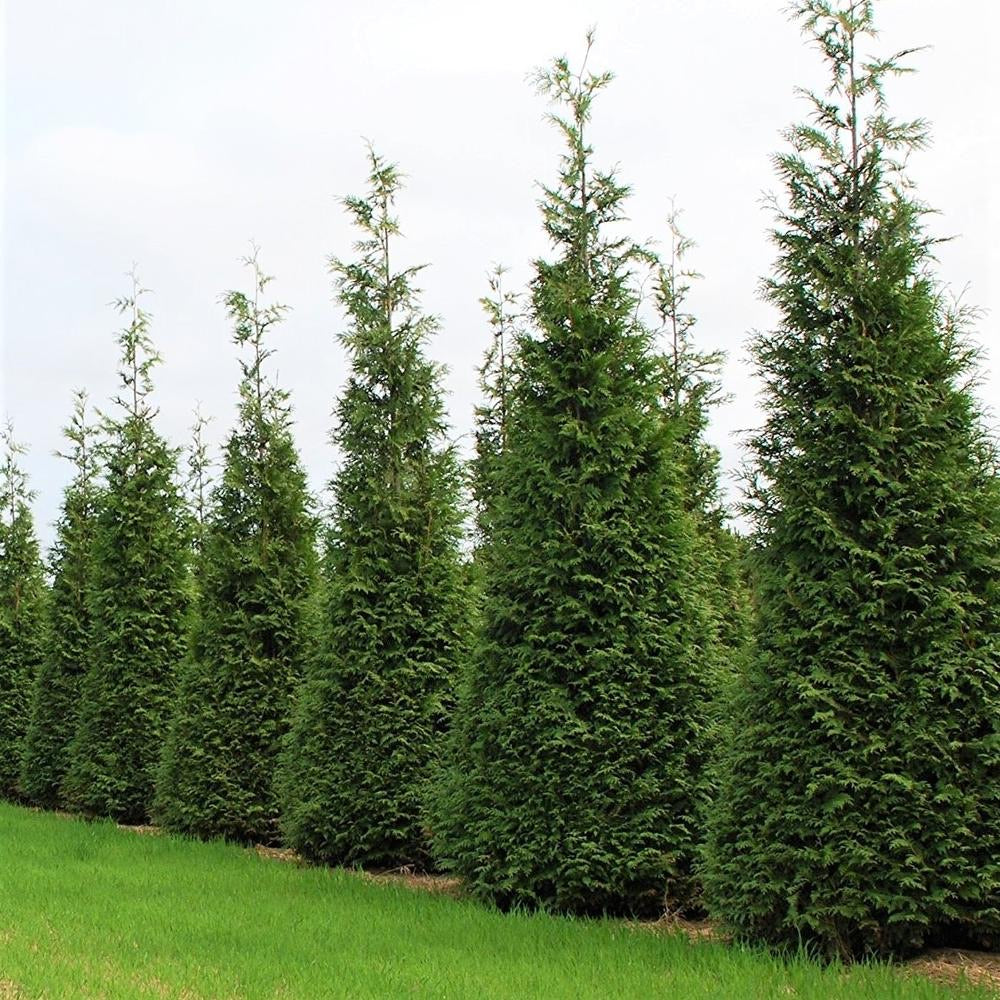
Pruning Evergreens
Evergreens generally require much less pruning than deciduous trees.
Most pruning simply involves removing dead branches, maintaining shape, or correcting storm damage.
Avoid removing too much green growth at one time since many evergreen species recover more slowly than deciduous trees.
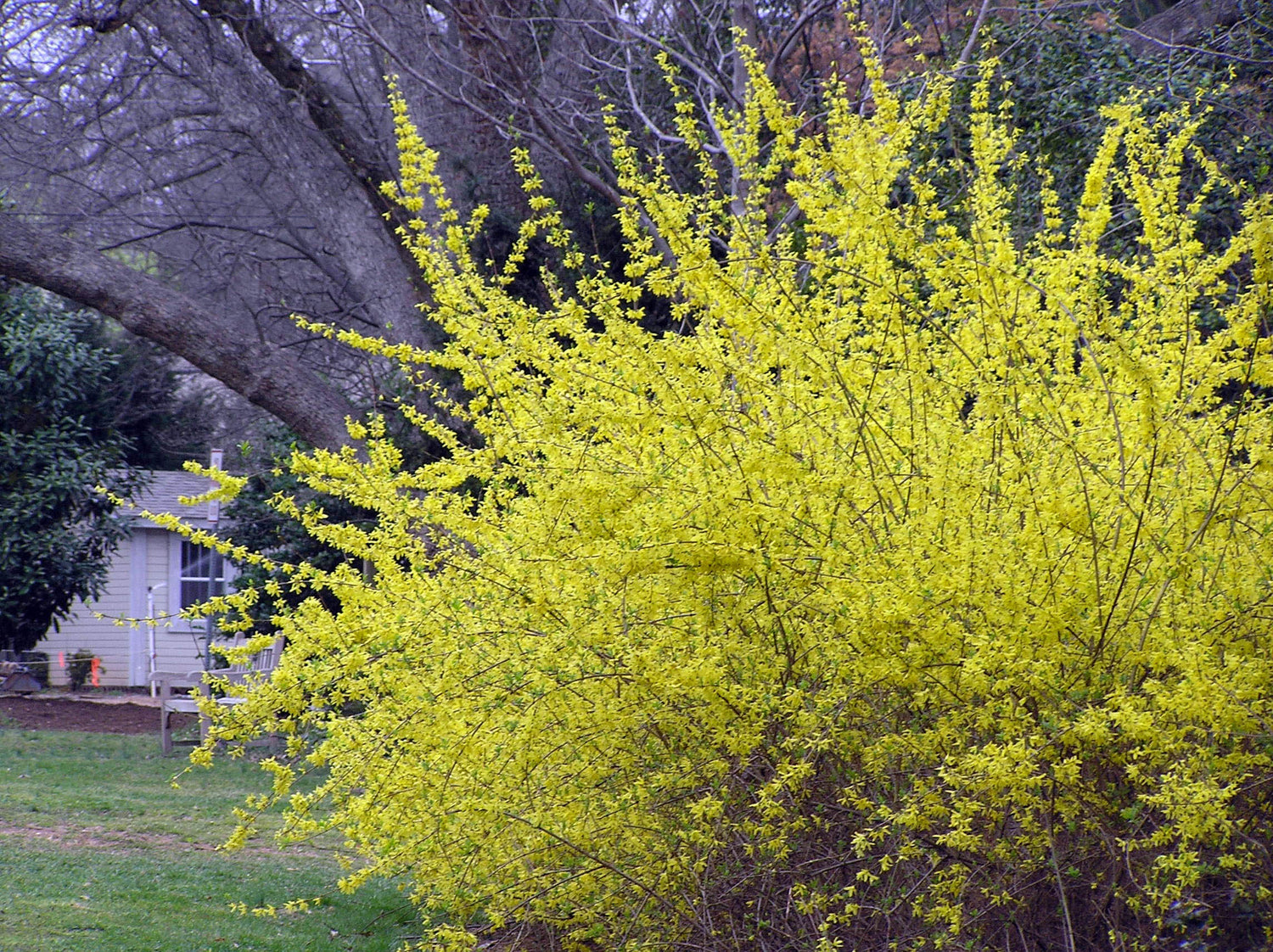
Shrubs That Benefit from Hand Pruners
While we often think of hand pruners as tree tools, they're equally valuable for shrubs throughout the landscape.
- Hydrangeas
- Lilacs
- Spirea
- Viburnum
- Ninebark
- Rose bushes
- Butterfly bushes
- Boxwoods
Being able to make precise cuts instead of simply shearing everything into shape usually results in healthier, more attractive plants.
Don't Forget Your Berry Plants
Hand pruners are one of the most-used tools in our berry production areas.
They're perfect for removing old canes, thinning overcrowded growth, harvesting cuttings, and encouraging stronger new growth.
Whether you're growing blueberries, elderberries, currants, gooseberries, raspberries, or honeyberries, a quality pair of bypass pruners quickly becomes one of the most valuable tools you'll own.
Clean Your Pruners Regularly
One habit that's often overlooked is cleaning pruning tools.
Plant sap, dirt, and moisture can build up surprisingly quickly during a busy pruning day.
Wiping the blades clean after use not only keeps them cutting better but also helps reduce the possibility of spreading diseases between plants.
We also recommend occasionally applying a light coat of oil to the blade and pivot point to help prevent rust and keep everything operating smoothly.
Sharpening Makes a Huge Difference
Even premium pruners eventually become dull.
The good news is that quality bypass pruners are designed to be sharpened many times over their lifespan.
Keeping the blade sharp requires only a few minutes, but the improvement in cutting performance is remarkable.
Sharp pruners make cleaner cuts, require less hand strength, and are far more enjoyable to use throughout the gardening season.
Why We Think They're Worth the Investment
It's easy to buy a $10 pair of pruning shears.
It's much harder to buy one pair that still performs beautifully years later.
We've found that investing in quality tools almost always saves money over the long run because you're replacing them far less often.
That's one reason we continue recommending the Haus & Garten ClassicPRO Bypass Pruning Shears. They offer the combination of durability, comfort, and clean cutting performance that we appreciate during long days working around the nursery.
Common Pruning Mistakes to Avoid
Even experienced gardeners make pruning mistakes from time to time. Fortunately, most are easy to avoid once you know what to look for.
Using the Wrong Tool
One of the biggest mistakes is trying to force hand pruners through branches they're simply not designed to cut.
If you have to strain or twist the pruners to finish the cut, the branch is probably too large.
For thicker limbs, switch to loppers or a pruning saw. For branches high overhead, a pole saw is both safer and more effective.
Making Too Many Cuts
It's easy to get carried away once you start pruning.
We've found it's usually better to remove a few carefully selected branches than dozens of unnecessary ones.
Each cut creates a wound, so every cut should have a purpose.
Ignoring Dead or Damaged Branches
Broken branches rarely improve on their own.
Removing damaged wood promptly often helps the tree recover more quickly while reducing opportunities for insects and disease.
Not Sanitizing Your Pruners
If you're pruning diseased plants, it's a good idea to disinfect your blades before moving to another tree or shrub.
It's a simple habit that can help reduce the spread of certain plant diseases throughout your landscape.
Who Should Own Quality Hand Pruners?
Honestly, almost anyone who has a yard can benefit from owning a good pair.
They're useful for much more than pruning trees.
- Homeowners maintaining landscape trees.
- Backyard orchard growers.
- Flower gardeners.
- Vegetable gardeners.
- Berry growers.
- Rose enthusiasts.
- Homesteaders.
- Anyone planting shrubs or small trees.
Because they're so versatile, quality hand pruners are often the first gardening tool we recommend after a shovel.
How Long Should Good Pruners Last?
A quality pair of bypass pruners should last for many years with basic care.
Cleaning the blades, sharpening them occasionally, lubricating the pivot point, and storing them somewhere dry will dramatically extend their lifespan.
We've seen premium pruners stay in service for well over a decade when they're properly maintained.
That's another reason we're willing to spend a little more on a dependable pair rather than replacing inexpensive pruners every year or two.
Frequently Asked Questions
What are bypass pruners used for?
Bypass pruners are designed for cutting live branches, stems, flowers, and shrubs. Their scissor-like action creates cleaner cuts than anvil-style pruners, making them the preferred choice for most pruning jobs around the landscape.
Are bypass pruners better than anvil pruners?
For living wood, yes. Bypass pruners make cleaner cuts that heal faster. Anvil pruners are generally better suited for cutting dead, dry wood where crushing isn't as much of a concern.
How thick of a branch can hand pruners cut?
Most quality bypass pruners comfortably cut branches up to about one inch thick, although that varies depending on the wood species and the strength of the user. If you find yourself forcing the cut, it's time to switch to a larger pruning tool.
Should I oil my pruning shears?
Yes. Applying a light coat of oil to the blade and pivot point helps prevent rust while keeping the tool operating smoothly.
How often should pruning shears be sharpened?
That depends on how often they're used. Around our nursery, we inspect our pruners regularly and touch up the edge whenever we notice they aren't slicing as cleanly as they should.
Can hand pruners be sharpened?
Absolutely. In fact, one advantage of buying quality pruners is that they can be sharpened many times throughout their life instead of being thrown away when they become dull.
What's the difference between pruning shears and secateurs?
There really isn't one. "Secateurs" is simply the term commonly used in several other countries for what most gardeners in the United States call pruning shears or hand pruners.
Are expensive hand pruners worth it?
We think so. Better steel, stronger construction, smoother operation, replacement parts, and improved ergonomics often make quality pruners less expensive over time because they last much longer than bargain models.
Our Final Recommendation
If someone walked into our nursery and asked us to recommend one pruning tool to start with, we'd hand them a quality pair of bypass pruners without hesitation.
They're one of the most versatile gardening tools you'll ever own. From shaping young trees and pruning fruit trees to maintaining shrubs, berry bushes, flowers, and ornamental plants, you'll find yourself reaching for them almost every time you head outside.
After years of pruning thousands of trees and shrubs, we've found the Haus & Garten ClassicPRO Titanium Bypass Pruning Shears to be an excellent choice for homeowners who want a dependable, comfortable, and long-lasting tool. The sharp bypass blade, durable construction, and ergonomic design make them well suited for everything from routine yard maintenance to more serious pruning projects.
Pair them with good pruning techniques, proper watering, and routine tree care, and you'll be giving your trees the best possible opportunity to stay healthy and beautiful for many years to come.
How to Prune Apple Trees
Apple trees are among the most rewarding fruit trees to grow, but they're also one of the species that benefit the most from regular pruning.
The goal isn't simply to make the tree smaller. Good pruning improves sunlight penetration, increases air circulation, removes weak branches, and helps produce larger, healthier fruit.
Most pruning is done while the tree is dormant in late winter before new growth begins. During this time it's much easier to see the branch structure and decide which limbs should stay and which should be removed.
Your hand pruners will handle most water sprouts, suckers, rubbing branches, and small limbs. Larger branches should be removed with loppers or a pruning saw.
How to Prune Pear Trees
Pear trees are naturally upright growers, so pruning often focuses on opening the canopy enough to allow sunlight to reach the interior branches.
Removing crowded branches early helps prevent future problems while encouraging stronger fruit production.
We also recommend removing broken limbs promptly after storms to reduce stress on the tree and encourage healthy healing.
How to Prune Peach Trees
Peach trees are much more vigorous than many homeowners expect.
Annual pruning is usually necessary to maintain good fruit production and keep the tree at a manageable size.
Many peach growers remove surprisingly large amounts of new growth each winter. While that can seem aggressive, proper pruning actually encourages better fruit size and improves air circulation throughout the canopy.
How to Prune Dogwood Trees
Dogwoods typically require very little pruning compared to fruit trees.
Most maintenance simply involves removing damaged branches, rubbing limbs, suckers, or dead wood.
Avoid unnecessary heavy pruning since dogwoods naturally develop an attractive branching structure on their own.
How to Prune Redbud Trees
Redbuds are another tree that usually benefits from light pruning rather than heavy shaping.
Young trees can be trained to develop strong branch spacing while older trees generally require only occasional cleanup and removal of damaged limbs.
Quality bypass pruners are perfect for most routine redbud maintenance.
How to Prune Japanese Maples
Japanese maples are prized for their graceful branching habit, so pruning should always be conservative.
Rather than shortening every branch, focus on removing crossing limbs, damaged growth, or crowded interior branches that interrupt the tree's natural form.
Making a few thoughtful cuts usually produces far better results than aggressive trimming.
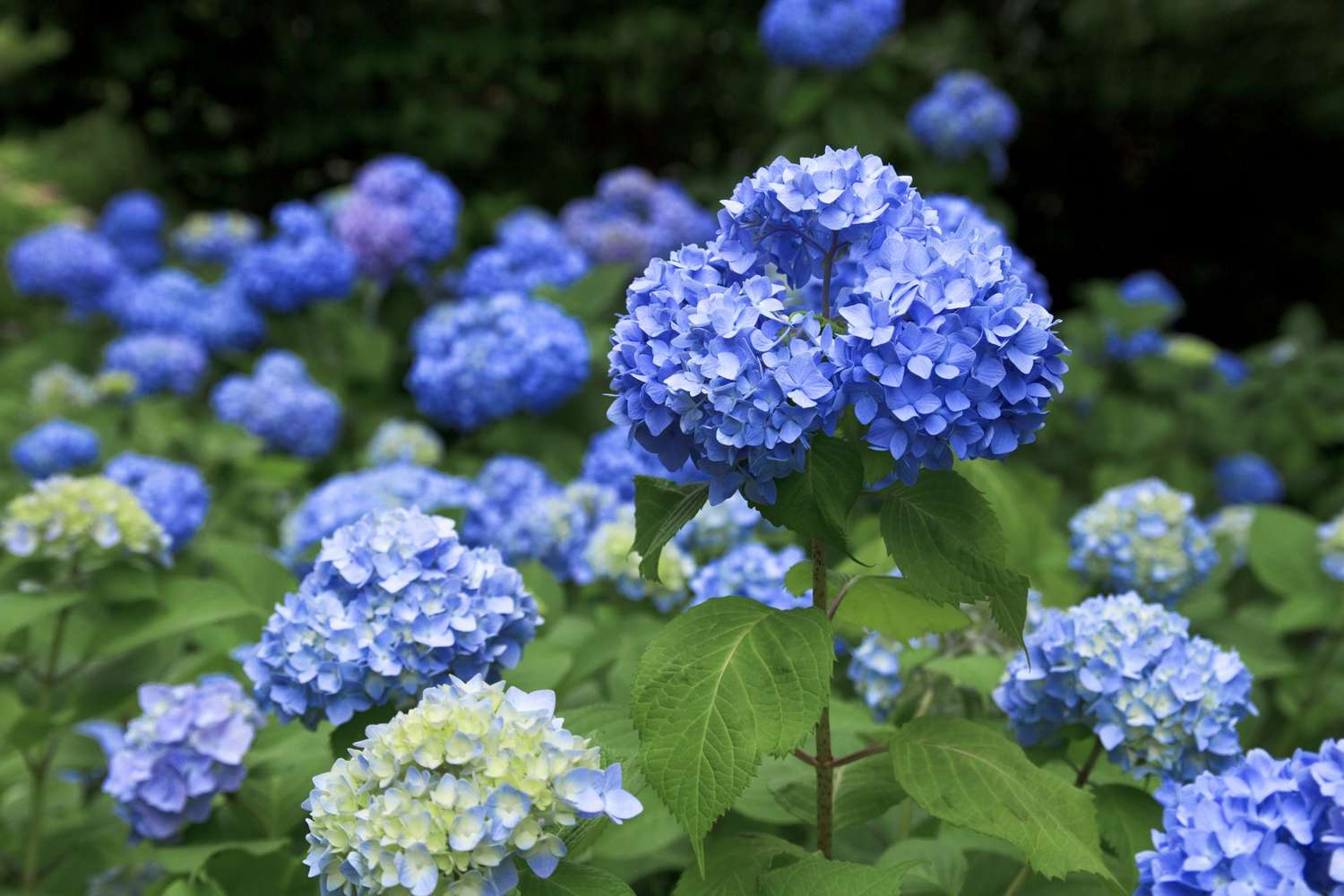
How to Prune Hydrangeas
Hydrangeas often confuse gardeners because different varieties bloom on different types of wood.
Before making major cuts, it's important to know whether your hydrangea flowers on old wood, new wood, or both.
Deadheading faded blooms, removing dead stems, and thinning older growth are all jobs where quality hand pruners really shine.
How to Prune Rose Bushes
Healthy roses benefit from regular pruning each year.
Removing dead canes, weak growth, and crossing stems improves both airflow and flower production.
Sharp bypass pruners make noticeably cleaner cuts than dull blades, reducing damage to the remaining canes.
How to Prune Blueberries
Blueberry bushes become far more productive when older canes are removed regularly.
Instead of simply shortening every branch, focus on removing the oldest wood while encouraging vigorous new canes to develop.
This renewal pruning keeps bushes productive for many years while making harvesting much easier.
How to Prune Elderberries
Elderberries are vigorous growers that respond very well to annual pruning.
Many growers remove older canes every year to encourage fresh, productive growth while maintaining manageable plants.
Because elderberry stems are usually well within the cutting capacity of quality bypass pruners, hand pruners often become the primary tool for routine maintenance.
How to Prune Honeyberries
Honeyberries require very little pruning during their first few years.
As bushes mature, removing older interior branches helps improve light penetration while encouraging new productive growth.
Avoid over-pruning young plants, as they often produce their best growth when allowed to establish naturally.
How to Prune Grapevines
Grapevines are among the most heavily pruned fruit crops.
Most of each year's growth is removed during dormant pruning, leaving only selected canes that will produce the coming season's crop.
Sharp hand pruners make this job dramatically easier while producing clean cuts that heal quickly.
One Tool You'll Reach for Every Weekend
There are plenty of gardening tools that spend most of the year hanging in the garage.
Hand pruners aren't one of them.
During the growing season, they're useful almost every weekend. One day you might be removing suckers from a fruit tree. The next weekend you're trimming roses, harvesting flowers, shaping shrubs, deadheading perennials, or cleaning up storm damage.
That's why we think it's worth investing in quality instead of settling for the cheapest pair on the shelf.
The Haus & Garten ClassicPRO Titanium Bypass Pruning Shears have become one of our favorite all-around gardening tools because they combine sharp cutting performance, comfortable ergonomics, and durable construction in a tool that works equally well for beginners and experienced gardeners.
Building a Complete Tree Care Toolkit
As useful as hand pruners are, they're just one piece of caring for healthy trees.
As your landscape matures, you'll likely add a few other tools to your collection. Hand pruners handle routine maintenance, loppers tackle medium-sized branches, and a quality pole saw makes pruning high limbs much safer and easier.
Keeping trees healthy also means watering them properly after planting. Young trees establish much faster when they receive slow, consistent watering during their first growing season, which is why we recommend reading our guide to the best tree watering bags for newly planted trees.
When you combine the right tools with proper pruning techniques, consistent watering, and routine inspections, you'll enjoy healthier trees that continue growing and thriving for decades.